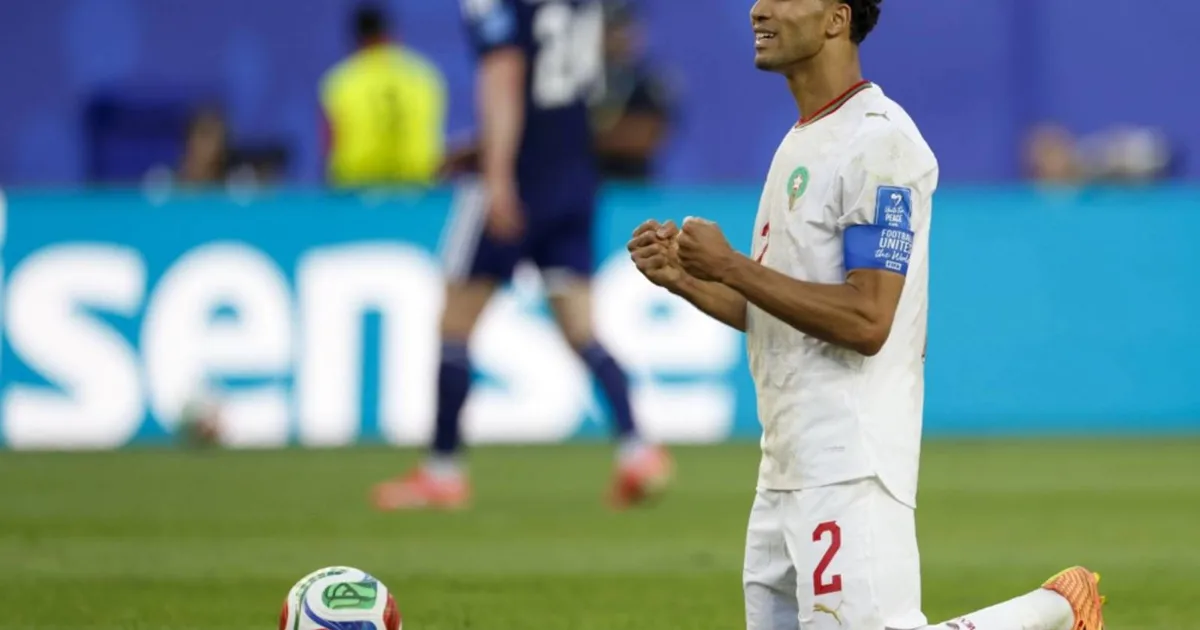
Achraf Hakimi continues to perform at club level with apparent emotional stability as he faces serious criminal allegations in France, according to Morocco's coaching staff. The Paris Saint-Germain defender is accused of involvement in a sexual assault incident dating to 2023 involving a 24-year-old woman in the Paris region, allegations the player has categorically rejected. Despite the gravity of the legal proceedings now underway, those around the Moroccan international have indicated that he maintains a steady demeanor and remains focused on his professional duties.
The situation surrounding Hakimi represents a significant distraction for one of modern football's most accomplished defenders. The 26-year-old has established himself as a cornerstone of PSG's defensive strategy and a crucial component of Morocco's national team plans, making any disruption to his career particularly consequential for both institutions. The allegations emerge from an incident alleged to have occurred in 2023, though the specific circumstances remain subject to ongoing legal examination in the French judicial system.
For Morocco's national team program, Hakimi's legal entanglement presents a delicate management challenge. The coach's public statement that the player maintains composure can be interpreted as an effort to normalize the situation and prevent it from becoming a destabilizing force within the squad environment. International football has increasingly grappled with how to handle high-profile players navigating serious legal troubles, balancing institutional responsibility with individual presumption of innocence during proceedings.
The timing of these allegations has significant implications for Morocco's international commitments. As a key defensive player for the North African nation, any disruption to Hakimi's availability or mental state could affect squad depth and tactical flexibility during competitive fixtures. The World Cup-winning coaching experience in Morocco's recent campaign demonstrates awareness of how external pressures can impact squad cohesion and on-field performance.
PSG's position on the matter remains one of cautious neutrality, as the French capital club navigates its own institutional interests. The Parisian side has long emphasized the separation between players' private legal matters and their professional football responsibilities. Hakimi's continued participation in matches and training suggests the club is maintaining normal protocols while the judicial process unfolds independently.
The allegations carry substantial weightiness beyond the sporting arena. If proven, they would represent serious misconduct; if unfounded, they constitute significant personal and professional harm to the accused. The French legal system's approach to such matters has come under international scrutiny in recent years, with questions about investigative procedures and player safety both in focus.
For Malaysian and Southeast Asian football audiences, the Hakimi situation exemplifies broader challenges facing professional athletes in the modern era. Global media exposure means that allegations spread rapidly across continents, and players' reputations face instant judgment regardless of jurisdictional context or legal process status. The case underscores how personal conduct allegations increasingly intersect with professional sporting careers in unpredictable ways.
The coaching staff's public characterization of Hakimi's temperament serves multiple functions within professional sports discourse. It attempts to insulate the player from additional psychological pressure while simultaneously signaling to the broader football community that the situation is being managed appropriately at institutional level. Such statements reflect contemporary thinking about mental resilience and player welfare, even in adversarial circumstances.
Looking forward, the resolution of these legal proceedings will significantly influence Hakimi's career trajectory. Beyond the immediate courtroom outcome, broader perceptions within the football community about the allegations and their disposition will shape his long-term prospects. The Morocco national team, meanwhile, must continue its preparations while managing the unique pressures surrounding this particular player's circumstances.
The intersection of elite athletics and serious criminal allegations remains one of modern sport's most challenging governance questions. How federations, clubs, and national associations respond to such situations ultimately defines their institutional values and commitment to appropriate standards beyond the football pitch. For Hakimi specifically, the path forward will require navigating both legal proceedings and the Court of public opinion simultaneously.

