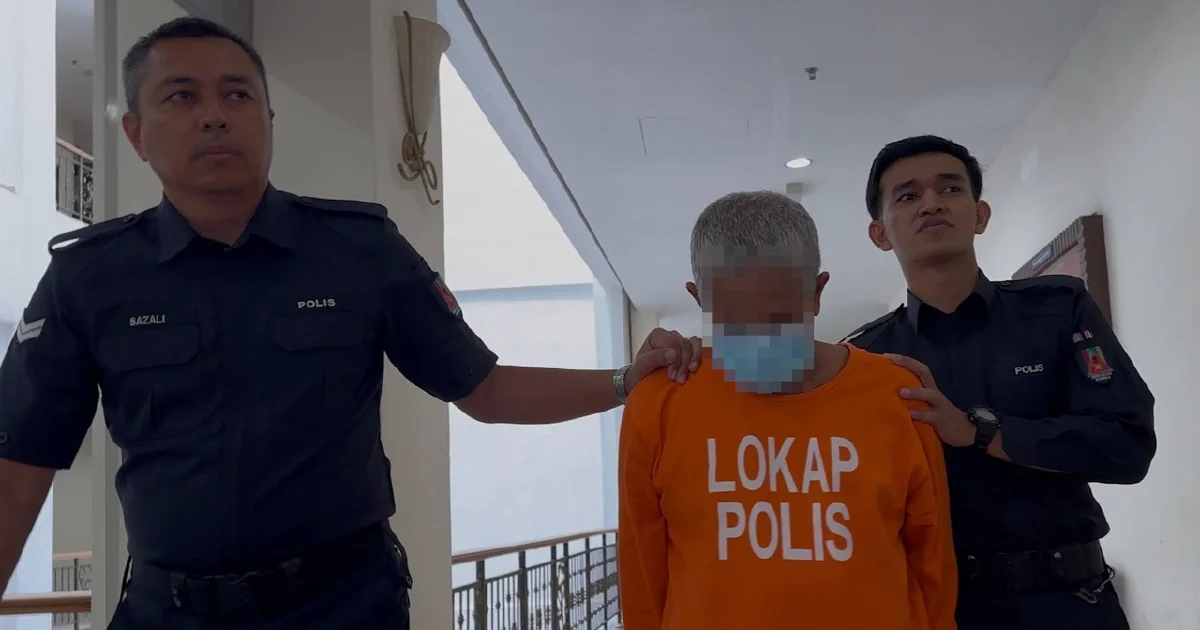
A 67-year-old pensioner in Muar has received one of the harshest sentences for sexual abuse of minors in recent years, with the Sessions Court imposing a 33-year custodial term and corporal punishment following his guilty plea to five charges of rape and sexual assault. The severity of the punishment underscores the judiciary's determination to protect vulnerable members of society, particularly children within family environments where trust is most egregiously violated.
The man's plea spared the granddaughters from the ordeal of testifying, a crucial consideration in cases involving child victims who may suffer further trauma during court proceedings. By accepting responsibility, he acknowledged the gravity of his actions, though this could not diminish the lasting psychological and physical harm inflicted on the two young victims. The rapid resolution through his guilty admission represents a procedural mechanism that prioritises the protection and dignity of child complainants, whose wellbeing remains paramount in the Malaysian justice system.
Sexual abuse within the family home represents one of the most insidious forms of criminal behaviour, as it fundamentally betrays the protective responsibility that elder family members are expected to fulfil. Grandparents occupy a position of special trust and authority, making violations of that trust particularly egregious and damaging to the child's sense of safety and security. This case illustrates how predatory behaviour can occur behind closed doors, often without immediate detection, which is why reporting mechanisms and community awareness remain vital to identifying and stopping such crimes.
The 33-year sentence reflects Malaysia's penal framework for serious sexual offences, which recognises rape as among the gravest crimes against the person. The addition of 14 strokes of the cane demonstrates the court's application of both imprisonment and corporal punishment available under current law. For a man at 67 years old, such a lengthy term means he will spend the remainder of his life in prison, effectively removing him permanently from society and eliminating any possibility of future offending.
The Muar Sessions Court's decision sends a powerful message to potential offenders that child sexual abuse will be prosecuted vigorously and punished severely. In recent years, Malaysia has witnessed heightened public concern about child safety, with various stakeholders including women's rights organisations, child protection agencies, and community leaders advocating for stricter enforcement of laws protecting minors. This sentencing aligns with those expectations and reflects judicial responsiveness to public concern about the vulnerability of children.
Beyond the immediate case, this conviction highlights the importance of creating reporting pathways and support systems for children who experience abuse. Many victims suffer silently, deterred by fear, shame, or uncertainty about how to seek help. Schools, healthcare providers, and community organisations play essential roles in identifying warning signs and encouraging disclosure. The Malaysian government, through various agencies and non-governmental organisations, has invested in training and awareness campaigns to improve recognition and reporting of child abuse.
The psychological impact on the two granddaughters will likely extend far beyond the criminal proceedings, requiring long-term counselling and therapeutic support to process trauma and rebuild trust. Child protection agencies in Malaysia typically provide rehabilitation services and trauma counselling for young victims, though capacity and accessibility remain challenges in some regions. The court system's role is to hold offenders accountable, but the broader societal responsibility lies in supporting survivors' recovery.
This case also raises questions about family dynamics and supervision in households where multiple generations live together. Grandparents increasingly play caregiving roles in Malaysian families due to economic necessity or parental circumstances, but this arrangement can sometimes create opportunities for abuse if there is insufficient oversight or checks on adults' behaviour. Community awareness about the dangers of unsupervised access by convicted offenders or individuals with predatory tendencies is essential for prevention.
The severity of sentencing in sexual abuse cases has evolved significantly over the past decade as courts have recognised the lasting damage caused by such offences. Beyond physical injury, rape and sexual assault inflict severe psychological trauma that can affect victims' ability to form relationships, their educational attainment, and their overall quality of life. The judicial response must therefore reflect not only the immediate violation but also its cascading consequences for survivors.
For Malaysian society, particularly in states like Johor where Muar is located, this verdict serves as a reminder of the need for vigilance in protecting the young. Family structures traditionally emphasise respect for elders and deference to authority, qualities that are valuable but must not be exploited to silence victims. Creating a culture where children feel empowered to report abuse without fear of disbelief or social stigma remains an ongoing challenge requiring education and cultural change at community and institutional levels.

