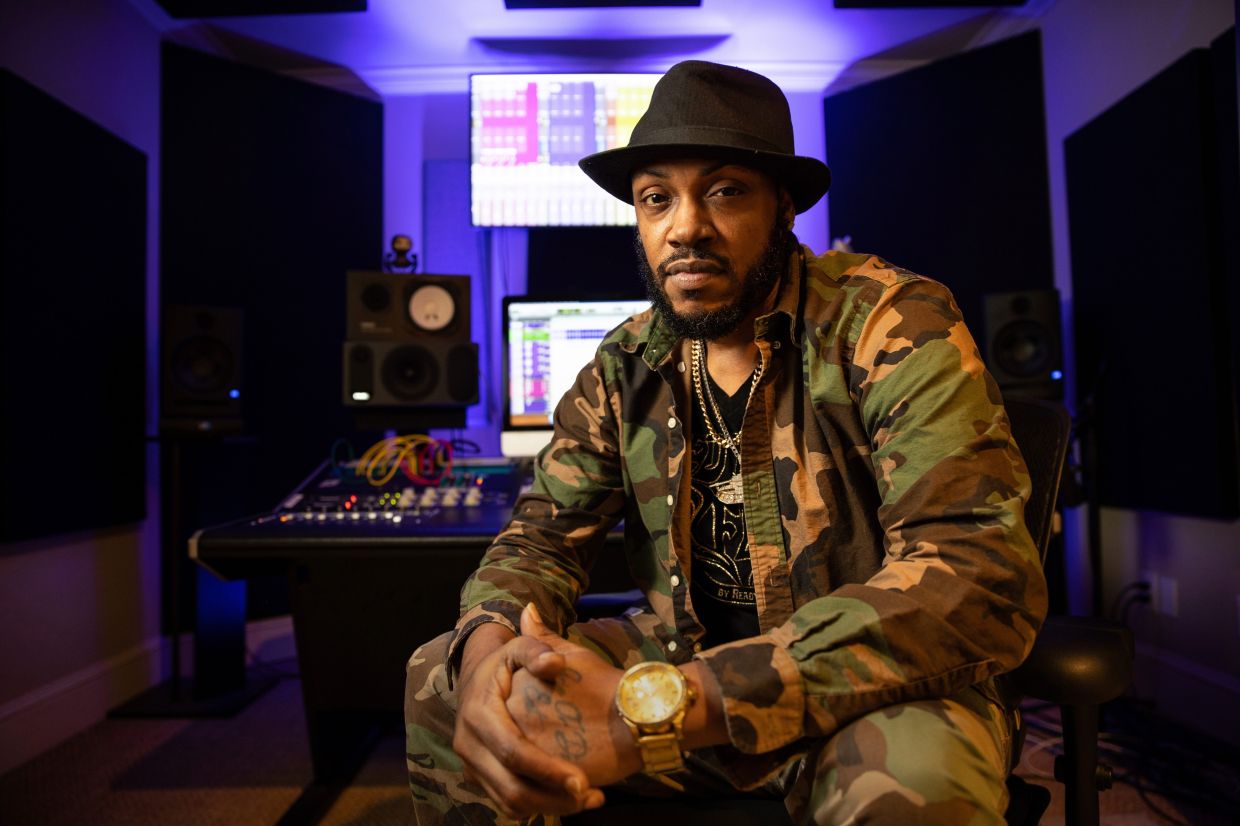
A Grammy-nominated rapper whose music dominated early 2000s hip-hop charts is now facing two decades behind bars after a Louisiana judge imposed a 20-year prison sentence for rape committed in 2022. Mystikal, the stage name of Michael Lawrence Tyler, pleaded guilty to third-degree rape in a deal that substantially reduced potential punishment and protected him from an automatic life sentence. The sentencing concludes a criminal saga that has overshadowed what was once a flourishing entertainment career and raises uncomfortable questions about accountability and redemption in the music industry.
Tyler's guilty plea in March represented a significant legal concession, as prosecutors agreed to downgrade charges from first-degree rape—which would have mandated life imprisonment. The negotiated cap of 20 years, five years lighter than the maximum permissible sentence for the reduced charge, indicated both sides' willingness to reach resolution without proceeding to trial. However, days before the sentencing hearing on Tuesday, Tyler attempted to reverse course by petitioning the court to withdraw his guilty plea, claiming insufficient time to contemplate the gravity of his circumstances and consequences. This eleventh-hour manoeuvre proved unsuccessful, as the judge proceeded with sentencing based on the original plea agreement.
The victim's courtroom testimony painted a harrowing account of violence and violation. She described being punched, choked, and having her braids forcibly pulled before being raped at Tyler's residence in Prairieville, situated approximately 18 miles from Baton Rouge. Her demand for maximum punishment underscored the severity of trauma inflicted and her desire for justice proportionate to the crime. In what appeared to be acknowledgement of guilt's weight, Tyler responded to her statement by saying that if roles were reversed and he had been the victim, he would indeed deserve the maximum sentence—a moment suggesting either genuine remorse or calculated sympathy-seeking before his punishment was finalised.
Tyler has remained incarcerated at the Ascension Parish Jail without bond since his 2022 arrest, spending nearly two years in custody pending resolution. This extended pre-sentencing detention reflects the serious nature of accusations and the court's assessment that he posed either flight risk or danger to the community. The confinement period itself represents substantial punishment beyond the formal sentence, removing him from society and his family during a critical interval between allegation and conviction.
This conviction represents a chilling recurrence in Tyler's history of sexual misconduct. In 2003, two decades earlier, he pleaded guilty to sexual battery and served six years in prison for that offence. The dual convictions raise systemic questions about rehabilitation, sentencing proportionality, and whether the music industry adequately addresses sexual violence among prominent entertainers. That Tyler was able to sustain a significant career following his first conviction—including Grammy nominations in 2003 across multiple categories—suggests that prior criminal accountability did not meaningfully impact his professional opportunities or public reception at that time.
Tyler's rise to prominence during the 1990s established him as a distinctive voice in hip-hop, characterised by energetic delivery and commercially successful tracks that gained substantial radio airplay and cultural relevance. His 2000 hit single cemented his mainstream status during an era when hip-hop was rapidly expanding its commercial footprint. These professional achievements, however, now exist in stark contrast to his criminal convictions, creating a complex legacy wherein artistic talent and serious criminality are inextricably intertwined.
The 20-year sentence represents a substantial portion of any individual's remaining lifespan, effectively removing Tyler from active participation in the music industry and contemporary society during what would otherwise be his most productive decades. Release would position him in his mid-to-late sixties, should he serve the full term without accumulating additional convictions or receiving sentence reductions through good behaviour or appellate remedies. This extended incarceration period stands as a definitive punctuation mark on a career trajectory that once seemed ascendant but became progressively compromised by criminal conduct.
From a broader industry perspective, the case underscores ongoing challenges regarding celebrity accountability and the sometimes-delayed justice mechanisms when wealthy, famous individuals face sexual assault allegations. Prosecutorial decisions to negotiate downward charges and accept guilty pleas—while sometimes pragmatic given evidentiary complexities or victim preferences regarding trial testimony—also raise questions about whether justice adequately reflects victim experience and societal interests in meaningful punishment and deterrence.
For Malaysian and Southeast Asian audiences following international entertainment news, the Mystikal case represents a reminder that allegations of serious crimes ultimately catch up with perpetrators, regardless of prior fame or commercial success. The conviction also illustrates how music industry prestige does not insulate individuals from criminal accountability, though prosecutorial systems and public attention sometimes move slowly before justice materialises. The two-decade separation between Tyler's first and second sexual violence convictions emphasises that prior sanctions did not fundamentally alter his conduct, raising questions about whether incarceration fundamentally rehabilitates or merely delays problematic behaviour resumption.