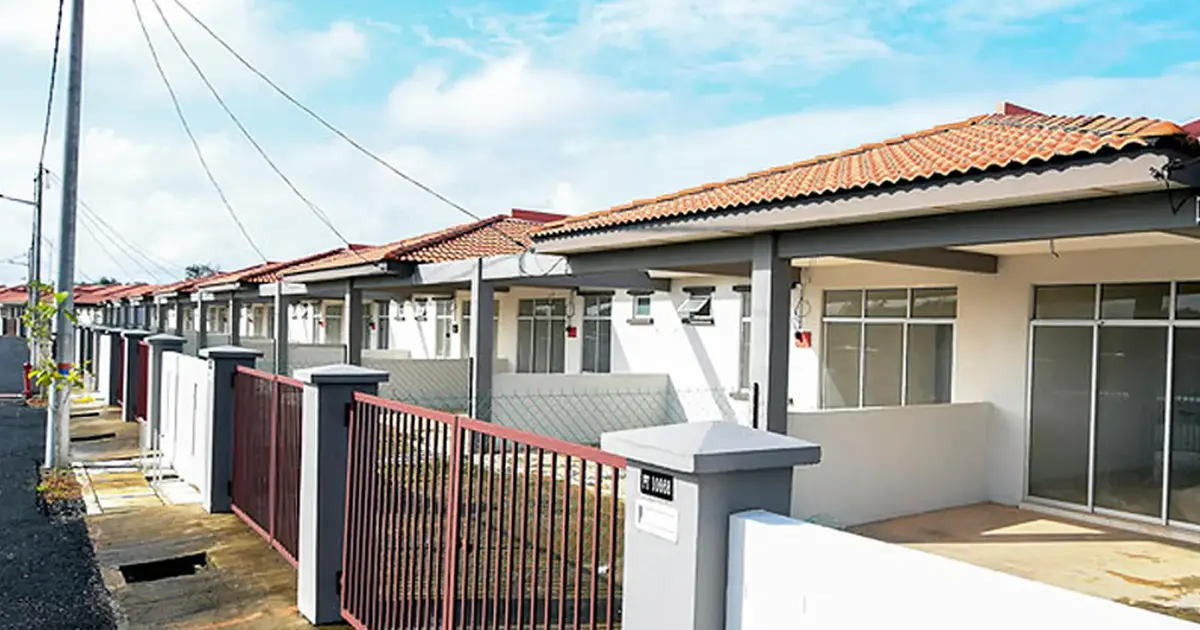
Prime Minister Anwar Ibrahim has committed his administration to creating a dedicated low-rent housing programme targeting civil servants, signalling a direct policy response to accommodation affordability challenges facing the country's workforce. The announcement comes after Anwar's visits to multiple states revealed a troubling pattern: government employees across Malaysia are increasingly squeezed by escalating rental costs that have outpaced wage growth, making it progressively harder for them to secure adequate housing in their respective states.
The accumulating evidence of housing stress within the civil service reflects broader pressures coursing through Malaysia's rental markets. Urban centres and state capitals have witnessed substantial rental increases over recent years, driven by limited housing stock, rising construction costs, and competition from both local and international tenants. For civil servants earning modest to middle-income salaries, particularly those with families, finding reasonably priced accommodation within proximity to their workplaces has become an acute problem affecting their quality of life and financial stability.
Anwar's direct engagement with the situation through ground visits reveals a deliberate approach to policy-making rooted in contemporary economic realities faced by ordinary government workers. Rather than relying solely on bureaucratic reports or macro-level statistics, the prime minister sought first-hand accounts of hardship, creating political momentum for intervention. This grassroots intelligence gathering underscores how rental affordability has migrated from a peripheral concern to a central policy issue demanding immediate executive attention.
The proposed housing initiative carries significant implications for Malaysia's public sector workforce. Civil servants form the backbone of government administration, delivering essential services from health and education to revenue collection and social protection. When these workers are burdened by excessive housing costs, it affects not only their personal financial wellbeing but potentially their workplace productivity, morale, and retention rates. A comprehensive rental housing scheme could improve quality-of-life outcomes for hundreds of thousands of public employees and their families nationwide.
Developing such a programme requires coordinated action across multiple government agencies and strategic planning to ensure viability. The government must identify suitable land parcels, secure financing mechanisms, establish fair rental structures, and manage long-term maintenance and administration. Previous Malaysian government housing initiatives have demonstrated both successes and implementation challenges, suggesting that careful design and execution will be critical to this scheme's effectiveness. Questions remain about target beneficiary numbers, geographic distribution, rental price points, and timeline for project delivery.
The announcement also reflects shifting political priorities within the current administration. Housing affordability has emerged as a touchstone issue affecting numerous demographic segments—young first-time buyers, low-income renters, and government employees alike. By directly addressing civil servant housing needs, Anwar's government signals responsiveness to a constituency that is politically significant, generally articulate about grievances, and crucial to delivering government services. This targeted intervention may also ease broader social tensions related to cost-of-living pressures that have dominated public discourse.
Regionally, Malaysia's approach to government housing merits attention from other Southeast Asian nations grappling with similar rental affordability crises. Thailand, Indonesia, and the Philippines have all documented substantial increases in housing costs relative to wages, particularly in major cities. If Malaysia successfully implements an affordable rental programme for civil servants, the model could offer valuable lessons for neighbouring countries seeking to address public sector housing challenges while maintaining fiscal discipline.
The economic dimensions of this initiative extend beyond immediate beneficiaries. Construction activity associated with housing development generates employment, stimulates demand for building materials, and contributes to local economic activity. If the government partners with private developers or uses public-private collaboration models, the arrangement could unlock additional private sector investment and expertise. Conversely, purely government-funded and operated schemes carry different fiscal implications that require careful Treasury assessment.
Implementation timeline and budget allocation remain critical details awaiting clarification. The government must balance the genuine urgency of housing shortages against fiscal constraints and competing budgetary priorities. Major infrastructure projects typically require years of planning and development before delivering tangible results, meaning civil servants struggling with rents today may not benefit immediately from announced initiatives. Transparency about realistic project timelines would help manage public expectations and demonstrate serious commitment to solving the problem.
The announcement also invites scrutiny regarding the scheme's design philosophy. Will rental units be heavily subsidised or cost-neutral operations? Should prioritisation favour low-income civil servants or extend across salary grades? Will housing be located in central areas near workplace concentrations or in developing suburbs with cheaper land? These design choices carry profound distributional consequences, affecting which segments of the civil service benefit most and whether the initiative achieves its equity objectives.
Anwar's commitment reflects recognition that government effectiveness depends partly on workforce welfare. When public employees struggle with basic housing security, it undermines not only individual morale but also the state's capacity to recruit and retain talented professionals. A functioning civil service requires adequate compensation and working conditions, of which housing security forms an increasingly critical component in Malaysia's contemporary economic context. This initiative positions housing support as an investment in governance quality rather than merely a welfare expenditure.
Looking forward, the government's track record in delivering large-scale housing programmes will influence public confidence in these pledges. Previous initiatives have faced delays, cost overruns, and accessibility challenges. Success with this civil servant housing scheme would require demonstration of project competence, transparent financial management, and genuine delivery of promised units at affordable rates. If executed effectively, the programme could establish a replicable model for addressing housing challenges facing other demographic segments, from young professionals to lower-income families seeking stability in Malaysia's increasingly expensive rental markets.

