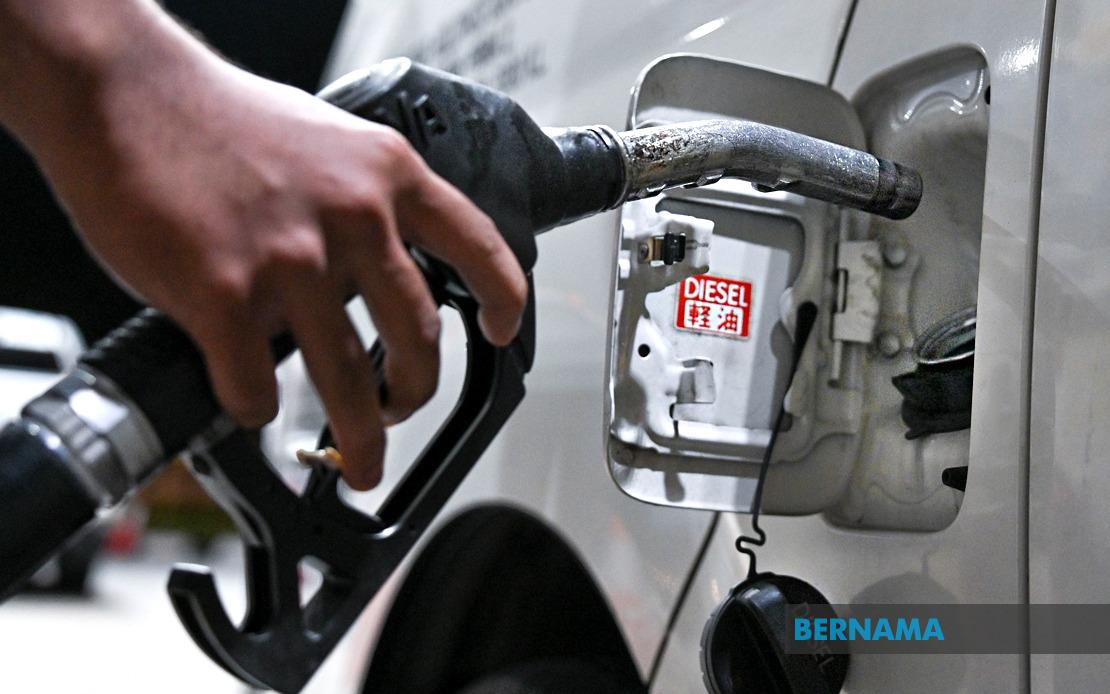
Prime Minister Datuk Seri Anwar Ibrahim announced on June 21 that Malaysia will lower the subsidised diesel price to RM2.10 per litre starting July 2026, mirroring the verification system used under the BUDI MADANI RON95 petrol subsidy programme. The new measure represents a modest reduction from the current price and signals the government's intention to streamline fuel subsidies while maintaining affordability for working Malaysians who depend on diesel for their livelihoods.
The diesel price adjustment carries particular significance because it will unify pricing mechanisms across the country. Currently, Sabah, Sarawak and Labuan benefit from a subsidised retail price of RM2.15 per litre, while Peninsular Malaysia faces the unsubsidised market price of RM4.37 per litre. By establishing a uniform subsidised rate nationwide, the government addresses a longstanding regional disparity that has affected the competitiveness of businesses outside Peninsular Malaysia and created inconsistent cost structures for national operators.
Eligibility for the subsidised fuel will be verified through MyKad, the national identification card system. This digital gatekeeping mechanism aims to prevent subsidy leakage and ensure that assistance reaches Malaysian citizens genuinely requiring the support rather than being diverted through informal channels or consumed by non-residents. The approach mirrors the BUDI95 petrol subsidy programme, which has operated under similar verification protocols since its introduction. Second Finance Minister Datuk Seri Amir Hamzah Azizan will provide implementation details, suggesting the government recognises the need for clear communication regarding the technical rollout and operational timelines.
Small business operators have welcomed the announcement as addressing a critical cost pressure. Night market trader Mohd Faizal Ahmad, 43, from Shah Alam expressed confidence that the lower diesel price combined with eligibility restrictions targeting genuine users would deliver meaningful relief to his operational expenses. For traders working irregular hours in urban centres, fuel costs remain a substantial component of total expenditure, particularly given the frequency of vehicle movement required for stocking and distribution.
Contractors and service providers also view the measure positively. Tan Chee Keong, 52, a small-scale contractor from Johor Bahru who operates a four-wheel drive vehicle for maintenance work and construction material delivery, emphasised that fuel expenses rank among his largest overhead items. He expressed optimism that robust subsidy safeguards would prevent system abuse while maintaining the benefit for legitimate users. His perspective reflects broader contractor concerns about rising operational costs eroding project margins and pricing competitiveness.
For agricultural producers engaged in perishable goods distribution, the diesel price reduction promises meaningful operational savings. Vegetable farm operator R. Mageswaran, 38, from Sungai Siput, Perak noted that daily delivery vans transporting produce to markets and food service outlets consume significant diesel volumes. Lower fuel costs directly translate to reduced production logistics expenses, enabling farmers to maintain competitive pricing while protecting thin margins characteristic of the agricultural sector.
The Ministry of Finance statement confirmed that the reform will apply universally across Sabah, Sarawak and Labuan alongside Peninsular Malaysia. This nationwide application represents a departure from previous bifurcated subsidy structures and suggests the government views fuel affordability as a national priority rather than a regionally differentiated concern. The integration of these distinct markets under a single subsidy regime simplifies administration while promoting inter-regional economic fairness.
The timing of implementation beginning July 2026 provides a lead period for industry and consumers to prepare. Transporters and commercial operators can incorporate revised fuel cost projections into their business planning cycles. Logistics companies and delivery services will have opportunity to assess whether the savings justify adjustments to pricing structures or service provisions. The advance notice also permits the relevant government agencies to configure the MyKad verification infrastructure and train petrol station attendants in the new eligibility screening procedures.
The subsidy architecture reflects broader policy considerations about fiscal sustainability and targeted assistance. Rather than universal subsidies that benefit all fuel consumers indiscriminately, the government has opted for verified subsidies restricting benefits to Malaysian citizens. This approach conserves public resources while directing support toward domestic users, particularly those whose economic activities depend heavily on fuel as an input factor. The MyKad verification requirement also creates administrative data regarding subsidy utilisation patterns, potentially informing future policy refinement.
For Malaysian consumers across the commercial transportation, trading and agricultural sectors, the announcement signals government acknowledgment that operational costs remain a binding constraint on business viability and employment generation. By moderating fuel expenses through targeted subsidies, policymakers aim to sustain competitiveness in sectors characterised by thin margins and price sensitivity. The measure also supports broader inflation management objectives by containing transport and logistics cost inflation, which typically reverberates through supply chains affecting broader price levels.
Implementation success will depend substantially on the effectiveness of the MyKad verification system at point of sale. Petrol station infrastructure must rapidly adapt to authenticate customers and dispense differentiated pricing, requiring investment in verification technology and staff training. Potential congestion or operational friction during the transition could temporarily frustrate users despite the underlying policy intent. Seamless implementation will therefore prove critical to realising intended benefits and maintaining public confidence in the subsidy mechanism.

