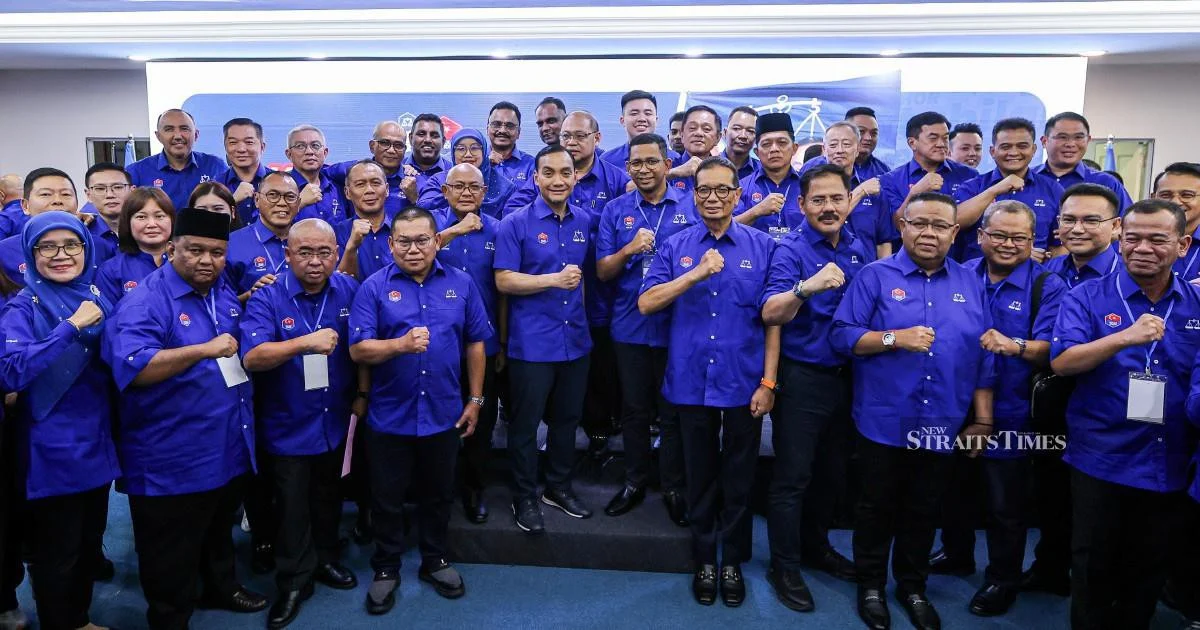
Johor's Barisan Nasional coalition is banking on a wave of new political talent to secure victory in the state election set for July 11, with inexperienced but enthusiastic candidates from component parties stepping into the campaign spotlight. The emergence of fresh faces represents a strategic shift as the long-governing alliance seeks to reinvigorate its electoral prospects in Malaysia's southern stronghold, a region where BN has traditionally dominated but where its grip has weakened in recent election cycles.
The recruitment of new candidates signals BN's attempt to counter perceptions of political staleness and reconnect with voters who may view the coalition's established figures as out of touch. In Malaysian politics, where personality-driven campaigns remain influential despite policy-heavy rhetoric, introducing younger and untested candidates carries both risk and potential reward. These newcomers bring the advantage of lacking baggage from previous political controversies, while their energy can mobilise grassroots support in ways that veteran politicians sometimes struggle to achieve.
Johor holds particular significance within the Malaysian political landscape. As the nation's second-largest state by population and a historically reliable BN territory, any shift in Johor's electoral preferences ripples across national politics. The state's economy, driven by manufacturing, agriculture, and increasingly tourism in border areas with Singapore, reflects broader Malaysian development patterns. Victory or defeat here carries symbolic weight that extends far beyond the state assembly's 56 seats, influencing perceptions about the coalition's viability nationally.
The specific date of July 11 reflects the state's independent electoral cycle, separate from federal elections, allowing Johor to serve as a bellwether for broader political sentiment. Recent Malaysian electoral trends have been volatile, with voters demonstrating willingness to punish incumbents and reward challengers offering fresh narratives. The 2022 federal election saw significant voter movement, and state-level contests have continued this pattern of unpredictability. BN's reliance on new candidates must be understood against this backdrop of shifting voter loyalties.
Component parties within the coalition—primarily UMNO, MCA, and MIC—are each fielding new candidates, suggesting a coordinated strategy rather than isolated efforts by individual parties. This multi-party approach requires delicate negotiation over seat allocations and candidate selection, as coalition partners balance maintaining their own electoral bases with supporting the overall BN machinery. The willingness of component parties to invest in unknown candidates reflects confidence in the coalition brand, though this confidence may prove misplaced if organisational support proves inadequate.
The timing of the Johor election also matters for the broader political calendar. Coming mid-way through the current Anwar Ibrahim administration's term, the result will function as an assessment of federal government performance. Voters often use state elections to send messages to central authorities, making Johor's outcome a potential referendum on the unity government's first full year in office. BN's prospects therefore depend partly on factors beyond its direct control, including public perception of federal governance, economic conditions, and social stability.
New candidates typically lack the established networks, campaign funds, and voter relationships of experienced politicians. However, they compensate through perceived authenticity and freedom from historical political baggage that may alienate segments of the electorate. In Johor, where urbanisation continues apace and younger demographics increasingly influence electoral outcomes, fresh candidates may find receptive audiences, particularly in constituencies where older voters are minority demographics.
The campaign strategies adopted by these new faces will reveal important insights about BN's overall direction. Will the coalition emphasise continuity and stability, leveraging its track record of governance, or will it pivot toward reform narratives, acknowledging past shortcomings? How these candidates frame their candidacies—as representatives of renewal or as custodians of proven governance—will shape voter perceptions and potentially influence turnout, particularly among younger voters historically less engaged with BN.
Opposition parties will likely seize on the newness of BN candidates as evidence of desperation or lack of talent within the coalition. Conversely, BN will frame the same candidates as evidence of vitality and succession planning. This narrative battle, conducted through rallies, social media, and community engagement, may ultimately matter more than candidates' individual qualifications or policy positions. Malaysian voters increasingly respond to emotional appeals and identity politics, suggesting that personal charisma and community connection will trump detailed policy knowledge.
For Malaysia's broader political equilibrium, the Johor election outcome carries implications extending beyond the state boundaries. A decisive BN victory would signal that the coalition remains an electoral force capable of mobilising voters despite national-level challenges. Conversely, significant BN losses would accelerate discussions about the coalition's long-term viability and potentially accelerate political realignment at the federal level. The performance of new candidates specifically will indicate whether injecting fresh faces genuinely addresses voter concerns or represents superficial rebranding of fundamentally unchanged political machinery.
The Johor election also provides laboratories for testing messaging, organisational strategies, and candidate support systems that BN may apply elsewhere. Successful tactics employed by new candidates in Johor constituencies could become templates for future campaigns. Failures, conversely, would necessitate rapid adjustments before subsequent state contests. This experimental aspect means the election functions both as electoral contest and as research and development exercise for political strategies that may shape Malaysian politics for years ahead.

