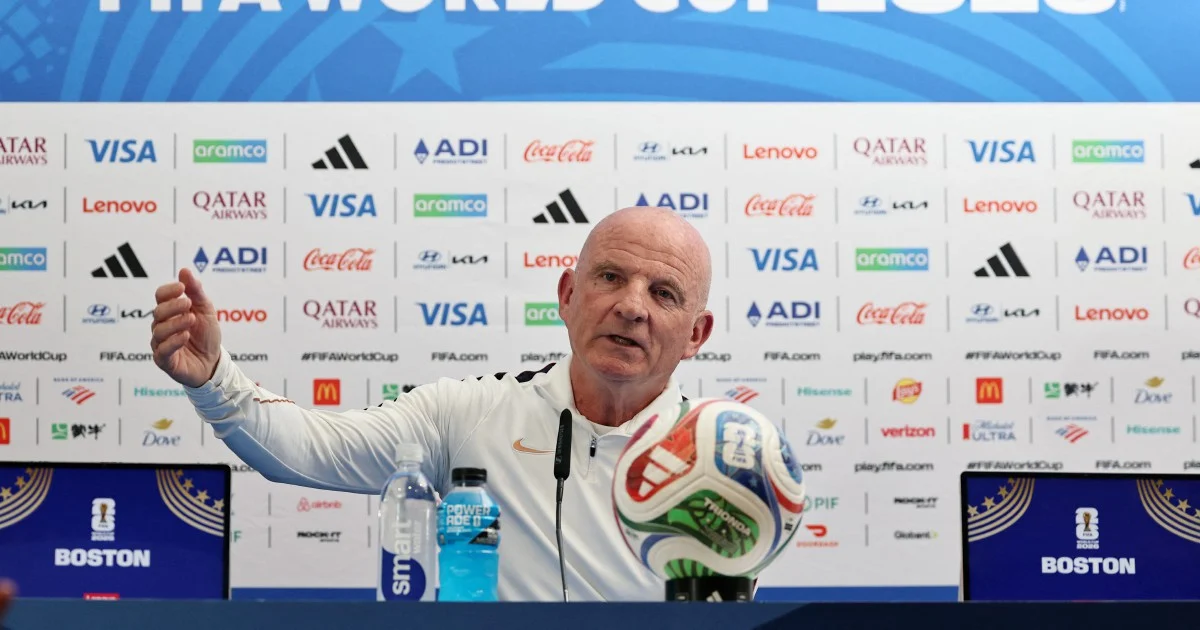
France head into their Friday fixture against Norway with more at stake than simply progressing further in the World Cup. According to assistant coach Guy Stephan, who spoke to journalists on Thursday in the absence of manager Didier Deschamps, topping Group I would deliver significant practical benefits beyond earning bragging rights. The two-time World Cup winners are targeting the group's first position when they face the Norwegians, a move Stephan believes would streamline their tournament operations considerably. Deschamps has temporarily stepped away from his coaching duties following the death of his mother, returning to France for the funeral, which means Stephan is handling media responsibilities and day-to-day preparations for now.
With both France and Norway having already secured knockout stage qualification after winning their opening two matches, the stakes might seem reduced. Yet Stephan articulated clearly why finishing atop the standings carries substantial value beyond the symbolic prestige. The geographical reality of the United States' vast distances means that group runners-up face an altogether more gruelling travel itinerary, moving between cities like Dallas, Miami, and Atlanta in the quarter-final stage. By contrast, a group-winning finish would allow the French squad to remain based in the Northeastern United States through to the last eight, anchored near Boston where they have established their operational headquarters. This advantage extends beyond mere convenience; temperature variations across different American regions present an additional consideration that Stephan highlighted, with the warmer climate of southern venues potentially adding physical demands to players already managing fatigue and recovery schedules.
France's current position offers genuine flexibility in pursuit of first place. Their superior goal difference provides a mathematical cushion, meaning a draw against Norway would suffice to top the group. This scenario grants Stephan's team tactical freedom to adopt a cautious approach if needed, though their recent form suggests an attacking mindset remains probable. The contrast with their opponents is noteworthy—Norway similarly enters Friday's encounter in strong form, having maximised their opening fixtures, yet the same logistical pressures that concern the French coaching staff would apply equally to the Scandinavian visitors should they finish second.
The timing of Deschamps' absence introduces an intriguing dynamic to France's preparations. While Stephan confirmed maintaining regular telephone communication with his counterpart, he acknowledged that substantive dialogue would be minimal on Friday itself, given the gravity of the day ahead. This presents an unusual leadership situation for a World Cup clash of this magnitude, though Stephan's role as a trusted lieutenant in previous campaigns, including France's 2018 triumph, suggests continuity in tactical direction and team management. The temporary handover of responsibilities underscores the human dimension often overlooked in high-stakes sporting competition—major tournaments do not pause for personal tragedy, yet those involved must navigate both professional demands and personal grief.
Team composition challenges add another layer of complexity to France's preparation. Stephan confirmed that central defender William Saliba will be unavailable for selection, necessitating alternative defensive arrangements. Additionally, striker Marcus Thuram is contending with calf discomfort, a concern that could influence both the intensity of his involvement and overall tactical shape. Such personnel constraints, whilst manageable given France's squad depth, represent the kind of marginal considerations that can shift match dynamics, particularly in a scenario where the coaching staff might otherwise operate with full control over selection and strategy.
For Malaysian and broader Southeast Asian observers of international football, this unfolding narrative illustrates several broader principles. First, tournament logistics constitute a genuine competitive factor beyond the pitch itself, influencing recovery protocols, acclimatisation opportunities, and psychological comfort—elements that compound during knockout football when consecutive matches demand maximum freshness. Second, the incident highlights how modern elite sport accommodates personal circumstances within professional frameworks; Deschamps' absence is irregular but organised, demonstrating institutional maturity. Third, the relative strength of both France and Norway following successful group stages suggests the knockout format will feature high-quality encounters, with group positioning potentially determining quality of opposition rather than mere progression certainty.
Stephan's comments reveal a coaching staff focused on optimising every conceivable advantage within the tournament structure. Rather than viewing fixture outcomes purely through the lens of victory or defeat, the French contingent evaluates how group placement shapes subsequent operational conditions. This holistic approach—integrating tactical, physical, and logistical considerations—characterises how elite teams approach major tournaments where marginal gains accumulate across several weeks. For France, the Norway encounter represents an opportunity to secure such advantages early, sparing their squad unnecessary complications during the knockout stages when freshness and focus prove paramount.

