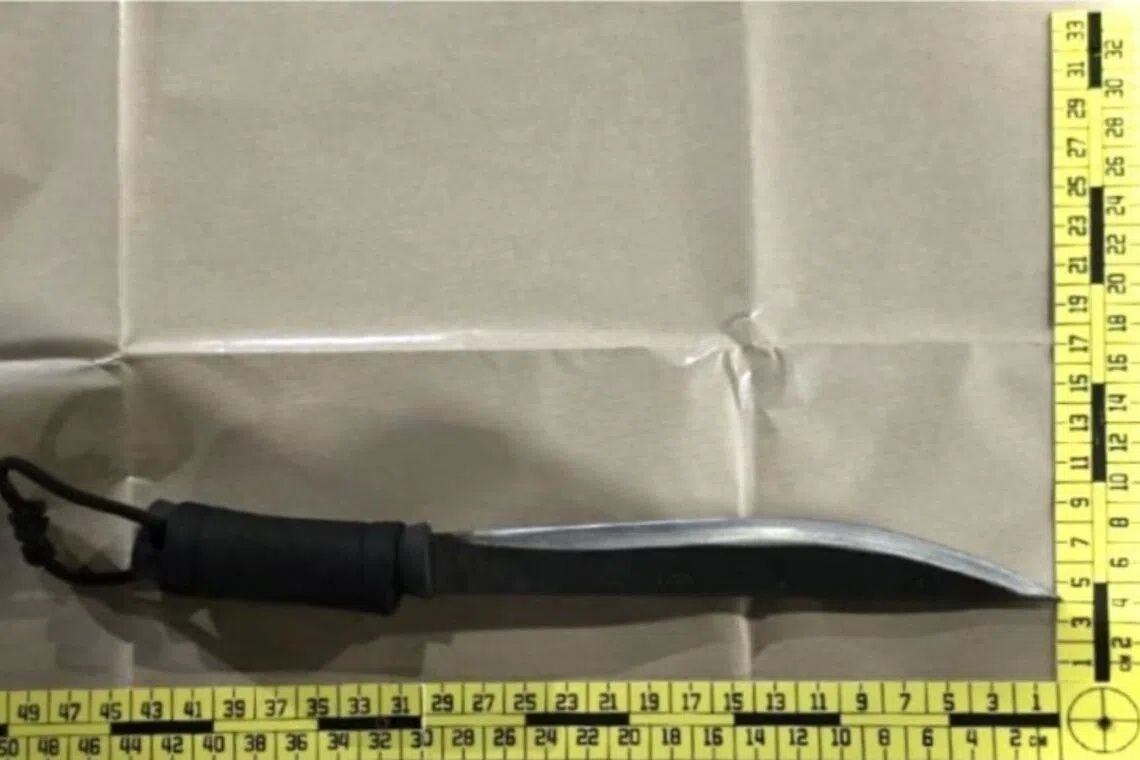
Singapore police have made four arrests following an early morning confrontation at a carpark that escalated into abduction and weapon-related charges. The arrests mark another instance of Singapore's swift law enforcement response to serious criminal activity, with one suspect already scheduled to face court proceedings. The incident underscores the island nation's zero-tolerance approach to armed crime and violence.
The episode unfolded on August 4 at approximately 1.55am near Canberra Street, where officers responded to reports of a man being threatened by a group wielding a parang. Initial investigations revealed the confrontation was rooted in a dispute centring on a car rental agreement between the parties involved. What began as a contractual disagreement rapidly deteriorated into a serious criminal matter when one of the four individuals produced the blade and began intimidating the victim.
A 38-year-old member of the group took direct control of the situation by brandishing the parang and threatening the victim, who was subsequently forced into the front passenger seat of his own vehicle. The victim then endured a drive to a separate location with two of his attackers—the 38-year-old at the wheel and another 36-year-old male positioned in the rear seat. This forced relocation away from the original scene transformed the incident from a simple assault into abduction, a more serious offence under Singapore law.
The police operation that followed demonstrates the effectiveness of Singapore's law enforcement coordination. Officers from the Woodlands Police Division quickly located the victim's vehicle through information gathered during the initial response phase. However, the situation escalated when the 38-year-old suspect spotted the approaching officers and attempted to flee in the stolen vehicle, triggering a high-speed pursuit through residential streets.
The chase concluded with a collision when the vehicle struck a lamp post at the junction of Woodlands Avenue 7 and Woodlands Avenue 10. Following the crash, the 36-year-old man abandoned the vehicle and fled on foot into the surrounding area. The 38-year-old, however, was apprehended at the scene, and officers recovered the parang from his possession immediately. This recovery of the weapon strengthened the prosecution's case considerably.
The subsequent manhunt and investigative work led to the apprehension of the remaining suspects over the following hours. The 36-year-old man was tracked down through follow-up inquiries, as were two women aged 30 and 38 who had been part of the original group. Their precise roles in the incident—whether they were active participants in the threats or accomplices in other capacities—remain under investigation. The police have indicated that further charges may be forthcoming as the investigation develops.
The 38-year-old man, being the individual who directly wielded the weapon and orchestrated the abduction, has been brought before the courts. The decision to proceed swiftly to prosecution reflects Singapore's emphasis on moving serious criminal cases through the judicial system efficiently. His scheduled court appearance on August 5 sets the timeline for the formal reading of charges against him for both abduction and possession of a scheduled weapon—both offences carrying substantial penalties.
Singapore's legal framework provides courts with significant discretionary sentencing powers for these crimes. Conviction could result in imprisonment, fines, caning, or a combination thereof. The severity of potential sentences reflects the seriousness with which the city-state treats armed crime and the abduction of persons. These are not minor infractions but crimes that endanger public safety and individual security, prompting maximum enforcement efforts.
For the 36-year-old man and the two women, investigations remain ongoing as authorities determine their respective degrees of culpability and involvement. Whether they will face charges related to abduction, complicity in weapon possession, or other offences will depend on evidence gathered during interrogation and follow-up investigation. The police approach suggests a methodical process designed to ensure that charges, when filed, are proportionate to each individual's actions.
This incident carries implications for the broader Southeast Asian region, where organised crime and gang violence occasionally intersect with ordinary commercial disputes. Singapore's rapid response and comprehensive investigation demonstrate the capabilities of well-resourced police forces equipped with modern investigative techniques. The case also illustrates how disputes over contractual matters can spiral into serious violent crime, a cautionary reminder for the regional business community.
The involvement of vehicle pursuit and a traffic collision raises questions about officer safety and public risk during such operations. Singapore's police protocols appear designed to minimize civilian exposure while maintaining pursuit of fleeing suspects. The conclusion of the chase without reported injuries to uninvolved parties suggests effective tactical decision-making by responding officers.
As investigations continue into the roles of the other three suspects, this case will likely serve as a reference point in Singapore's legal jurisprudence regarding group abduction and weapon offences. The outcome will inform how similar cases are prosecuted and may establish precedents for determining liability among co-conspirators in abduction scenarios. For now, the case demonstrates Singapore's commitment to investigating and prosecuting organised violence connected to contractual disputes, sending a clear message about the legal consequences of escalating such disagreements into criminal activity.

