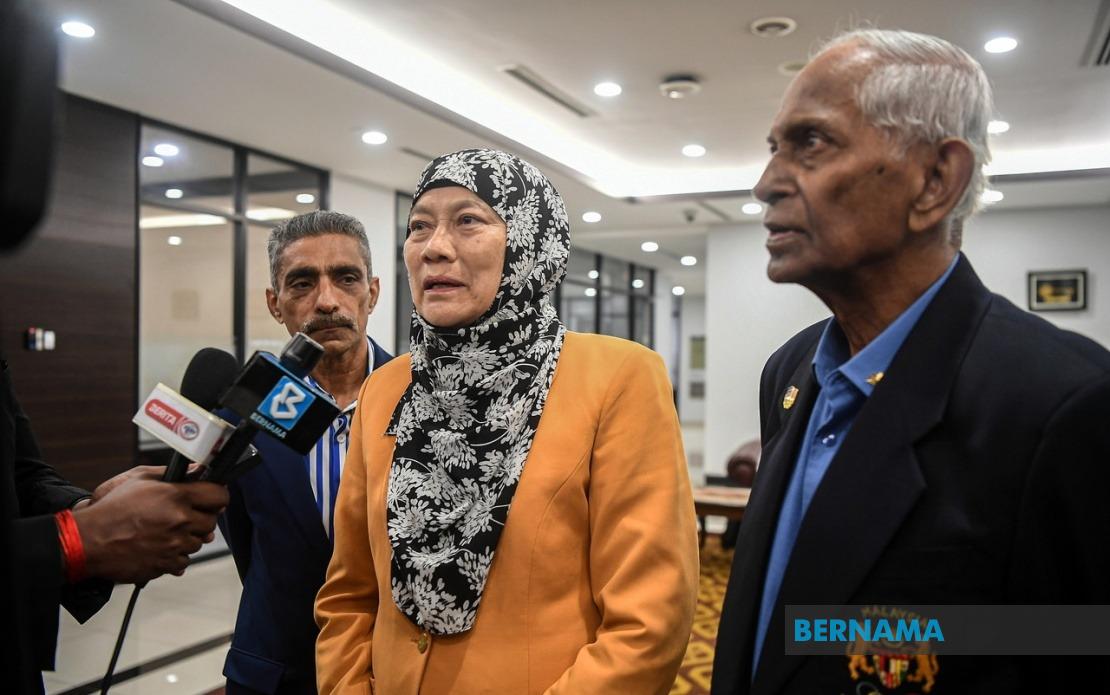
Datuk Zaiton Othman, the former Sports Commissioner and renowned national athlete, has issued a stark warning to Malaysia Athletics (MA) regarding the urgent need to overhaul its governance framework and ensure strict adherence to the constitution and operational guidelines established by World Athletics (WA). Speaking during a meeting with Youth and Sports Minister Dr Mohammed Taufiq Johari at Parliament recently, Zaiton articulated the gravity of the situation facing the national athletics body, emphasising that failure to comply could trigger severe international sanctions that would reverberate far beyond the sport itself.
The implications of non-compliance with World Athletics standards are substantial and multi-faceted. Should MA breach the international governing body's constitutional requirements, the organisation faces the prospect of having its registration suspended or revoked entirely—a catastrophic outcome that would strip Malaysia of its competitive standing in the global athletics arena. Such measures would effectively prevent Malaysian athletes from participating in any international competitions sanctioned by World Athletics, severely hampering the development and competitive experience of the nation's track and field talent.
The timing of these governance concerns is particularly acute given Malaysia's impending hosting duties. As the designated host nation for the 2027 SEA Games, Malaysia faces the prospect of being unable to organise athletics events on home soil—a scenario that would be deeply embarrassing and logistically disruptive. Zaiton crystallised this concern during her remarks, pointing out the absurdity of the situation: Malaysia, as the host, might be prevented from staging one of the most prestigious events in athletics across Southeast Asia.
Athletics represents one of the most medal-rich disciplines at the SEA Games, second only to swimming and shooting in terms of gold medal allocation. The sport contributed 47 gold medals at recent Games, with the marquee events—the 100-metre sprint and the 4x100-metre relay—serving as the blue-ribbon contests that capture regional attention and generate significant prestige for host nations. For Malaysia to be unable to showcase its athletics programme at home would constitute a major setback for the nation's sporting ambitions.
The concerns raised by Zaiton were not presented in isolation. They formed part of a broader advocacy effort led by the Reformation in Sports and Excellence (RISE) initiative, with prominent figures including Olympian Datuk Karu Selvaratnam and former National Athletes Welfare Foundation chairman Datuk Noorul Ariffin Abdul Majeed lending their voices to the discussion. This coalition of respected sporting figures reflects a deep institutional concern about the direction of Malaysian athletics governance, with former athletes and Olympians worried that administrative dysfunction could compromise the performance and welfare of current national competitors.
The constitutional issues facing MA centre on inadequacies between the national body's governing documents and those of World Athletics. MA President Karim Ibrahim recently took leave from his position ahead of an Extraordinary General Meeting scheduled to facilitate constitutional amendments designed to bring the organisation into alignment with international standards. This acknowledgment of the problem at the highest level of MA leadership signals that discussions regarding governance failures are no longer confined to external observers but have reached the governing body's own leadership structure.
Karim's position as MA president has been complicated by his own international sporting history. In 2018, World Athletics imposed a suspension on Karim, a decision that was subsequently upheld by the Court of Arbitration for Sport (CAS) after appeal. Despite this suspension from World Athletics activities, Karim was permitted to contest and maintain a position on the Asian Athletics Federation Executive Council during the 2019-2023 term, creating an ambiguous and potentially problematic situation that underscores the broader governance concerns affecting Malaysian athletics at both national and continental levels.
Zaiton emphasised that while the government cannot directly intervene in the administrative operations of sports associations, the Sports Development Act 1997 provides the Ministry of Youth and Sports and the Sports Commissioner with sufficient statutory authority to monitor compliance, impose sanctions, and ensure that national sports bodies operate within the regulatory framework established by law. This legal mechanism exists precisely to address situations where governance failures threaten the nation's sporting interests and international standing.
The Reformation in Sports and Excellence initiative represents a coordinated effort among Malaysia's sporting establishment to address systemic issues that have accumulated across various sporting organisations. The decision to escalate athletics governance concerns directly to the minister through this channel demonstrates the seriousness with which former athletes and sports administrators view the situation. Their intervention is rooted not in political motivation but in genuine concern that athletes' careers and national competitive performance could suffer irreparable harm if governance issues remain unresolved.
For Malaysian readers and the broader sporting community, the situation at MA serves as a microcosm of broader challenges facing sports governance in the region. The tension between autonomy for sports associations and the need for government oversight, the complications arising from international regulatory frameworks, and the imperative to maintain athlete welfare all converge in the Malaysia Athletics case. The coming months, particularly surrounding the AGM and any constitutional amendments, will prove critical in determining whether the national athletics body can successfully navigate these challenges and emerge with the governance structures necessary to protect Malaysian athletes' interests and the nation's sporting reputation.

