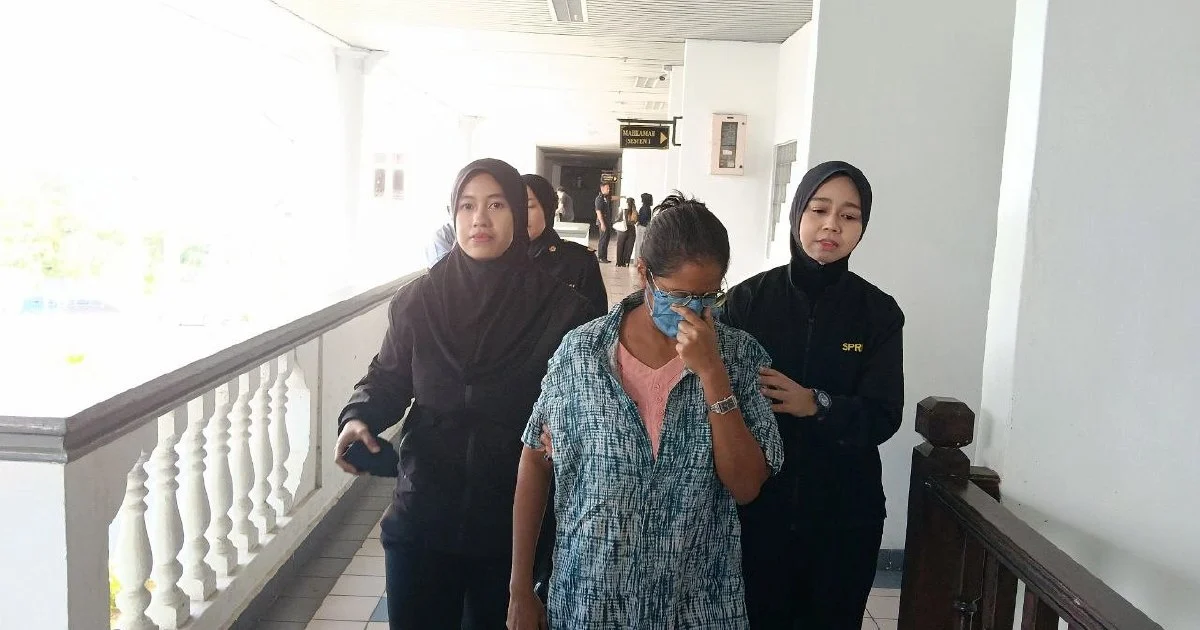
A former high-ranking official from the Melaka state government appeared in the Ayer Keroh Sessions Court to face serious accusations of financial misconduct. The individual, who previously held a senior position within the state civil service, is now confronted with seven separate charges relating to the misappropriation of public funds and deception of state executive councillors. The alleged irregularities involve sums exceeding RM60,000, marking a significant breach of public trust in a state bureaucracy that handles taxpayer resources.
The charges of misappropriation represent a particularly grave concern within Malaysia's civil service framework, where officials are entrusted with safeguarding state finances and implementing budgetary allocations according to strict regulations. When individuals in such positions abuse their access to government funds, it undermines public confidence in state institutions and raises questions about the adequacy of internal controls and oversight mechanisms. The fact that the accused individual held exalted rank within the administrative hierarchy suggests the alleged misconduct may have exploited weaknesses in supervisory systems or loopholes in existing accountability protocols.
The additional charge of cheating exco members adds another troubling dimension to the case. Executive councillors in Malaysian states occupy crucial oversight positions, bearing responsibility for monitoring departmental expenditures and ensuring compliance with financial regulations. When officials deceive these senior governance figures, they not only commit individual fraud but potentially undermine the entire committee system designed to prevent such abuses. This suggests the scheme may have involved presenting false documentation, fabricated claims, or misleading accounts to gain approval for questionable fund disbursements.
Melaka, as one of Malaysia's smaller states by population and budget, requires particularly stringent financial management. Any losses to state coffers represent proportionally larger impacts on the state's capacity to deliver public services. The RM60,000 threshold indicates resources that could have been redirected toward education, healthcare, infrastructure, or other developmental priorities. For residents of Melaka who depend on state services, such diversions of public money constitute a direct setback to community welfare and government effectiveness.
The investigation and subsequent charging of this individual demonstrates that anti-corruption mechanisms within state governments do possess some investigative capacity. The fact that the matter proceeded to court suggests that evidence compiled by investigating authorities met the threshold required by the Attorney General's Chambers for prosecution. However, observers often note that successful prosecutions of high-ranking officials remain comparatively rare across Malaysian states, raising questions about whether detection and enforcement systems operate with consistent rigour across different administrative levels and departments.
For the broader Malaysian civil service, this case serves as a cautionary reminder that position and seniority offer no shield against accountability. The appearance of a former senior official in court sends a message throughout state administrations that financial irregularities will be pursued regardless of the accused's former rank or tenure. Nonetheless, the singular nature of high-profile prosecutions suggests that many states may benefit from strengthened internal audit functions, more transparent procurement processes, and enhanced digital tracking of fund movements to prevent similar incidents.
The specific allegations of cheating exco members imply that the accused individual may have exploited their technical knowledge of administrative procedures or their position of trust to circumvent normal approval channels. State executive councillors, while exercising oversight, often rely on departmental officials to provide accurate information and documentation. An official who manipulates this information asymmetry can potentially redirect funds before discrepancies become apparent. This underscores the importance of independent verification mechanisms and regular reconciliation of accounts rather than reliance on official assurances.
The court proceedings will now determine whether the prosecution can establish guilt beyond reasonable doubt on all seven counts. The severity of potential penalties for financial crimes of this magnitude—involving misappropriation of public funds and dishonesty toward government officials—reflects society's condemnation of such breaches. Conviction could result in substantial imprisonment terms and financial restitution orders, consequences that send broader deterrent signals throughout the civil service.
For Malaysian stakeholders concerned with governance transparency, this case highlights the importance of whistleblower protection mechanisms and robust reporting channels for suspicious financial activity. Many cases of public sector fraud remain undetected for extended periods because junior staff fear repercussions from senior officials. Strengthening protections for those who report irregularities represents a critical gap in many state administrations that require urgent attention. The investigation that led to today's charges presumably emerged through either dedicated anti-corruption work or information provided by alert colleagues or supervisors. As state governments across Malaysia grapple with efficiency and public trust, cases such as this underscore why financial accountability must be treated as a core governance priority rather than a peripheral compliance exercise.

