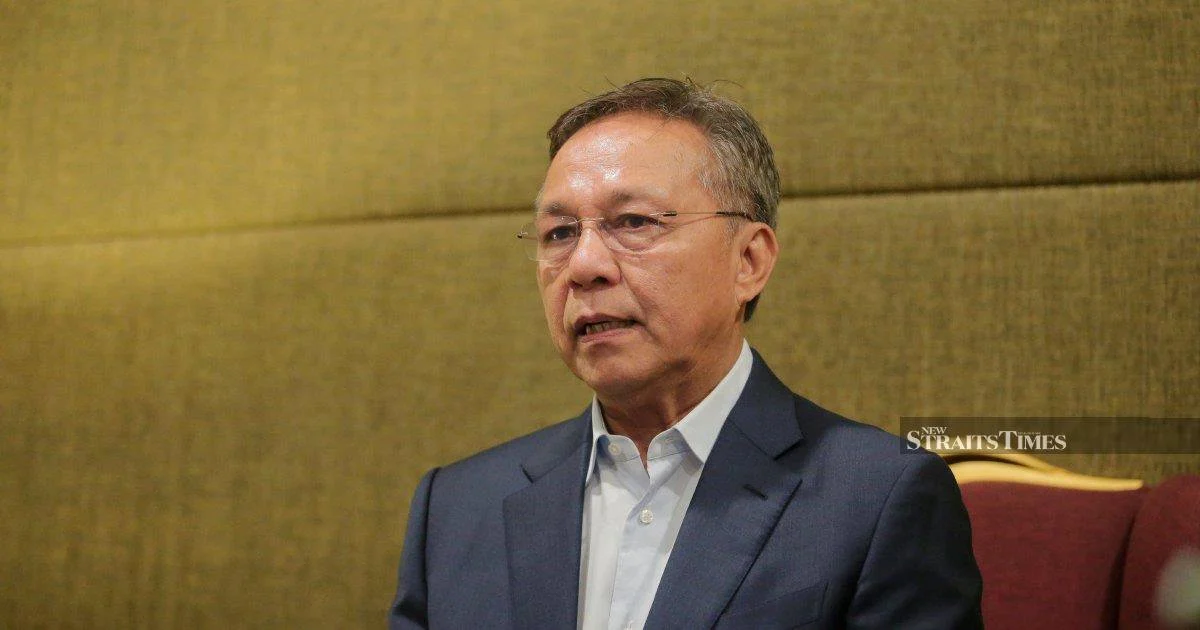
Former Johor menteri besar Datuk Seri Hasni Mohammad's exclusion from the Johor Barisan Nasional candidate roster for the upcoming state election has triggered fresh speculation about his next political move, with observers suggesting he may pivot to contesting a parliamentary seat in the next general election instead.
The removal of the senior politician from the state slate represents a notable shift in his political positioning within Johor's powerhouse Barisan ecosystem. Hasni Mohammad, who previously held the top executive position in the state government, commanded considerable influence within party machinery and grassroots structures across multiple constituencies. His withdrawal from state-level competition signals either a deliberate strategic recalibration or possibly reflects internal coalition dynamics that have altered his standing within the broader national leadership.
Johor's political landscape has undergone significant reshuffling in recent years as the state transforms its electoral focus and generational transitions accelerate within the coalition. The state remains a critical battleground for Barisan Nasional, delivering substantial parliamentary representation and serving as a testing ground for party strategies ahead of national elections. Leadership decisions regarding candidate selection carry implications beyond individual constituencies, often signalling broader shifts in party priorities and power distribution.
The prospect of Hasni Mohammad pursuing a federal parliamentary seat represents a conventional pathway for senior state politicians who wish to maintain political relevance during transitions. Parliamentary candidatures offer elevated platforms and connections to national decision-making structures, particularly attractive for figures with executive experience at state level. The move would position him within a cohort of experienced politicians who leverage their administrative records in contesting national elections.
Such repositioning also reflects the mathematical realities of candidate management within Barisan's complex coalition framework. State and parliamentary elections operate according to different electoral calendars and strategic priorities. The upcoming state poll may prioritise fresher faces or candidates with specific local strengths, while parliamentary contests reward candidates capable of operating at national narrative levels and mobilising diverse voter coalitions across broader geographic footprints.
For Malaysian observers and political analysts, Hasni Mohammad's situation exemplifies the precarious balance senior politicians navigate when their tenure in executive positions concludes. The transition from being chief minister to seeking an alternative electoral platform requires carefully calibrated moves to preserve standing and influence. Candidates dropped from state slates face scrutiny regarding their political viability, though parliamentary contests can sometimes provide rehabilitation opportunities for figures sidelined from state machinery.
Johor's next election will reshape the state's political configuration at both tiers of government. The exclusion of a former menteri besar from the state slate underscores that sitting governments are willing to make bold personnel decisions, prioritising electoral performance metrics over historical prominence or seniority. This approach reflects modern coalition management where electoral winnability increasingly trumps traditional tenure-based advancement patterns.
The timing of such announcements typically precedes formal manifestos by several weeks, allowing space for political positioning and media narrative management. Speculation regarding Hasni Mohammad's parliamentary intentions will likely intensify should nomination papers for the general election be filed, clarifying whether his exclusion from the state roster represents a deliberate strategic choice or acknowledgment of reduced electoral competitiveness at state level.
Political observers across Southeast Asia note that Malaysia's dual electoral system often produces such transitions as politicians recalibrate their ambitions between state and federal contests. The Johor scenario provides a fresh case study in how major coalitions manage senior figures through electoral cycles while maintaining broader organisational cohesion and electoral competitiveness in critical states.
Looking ahead, the next weeks will reveal whether Hasni Mohammad formally announces parliamentary ambitions or pursues other political pathways. His trajectory will carry implications for how Barisan manages the political careers of its state-level executives, particularly during periods when electoral fortunes and internal power dynamics shift significantly. The broader question remains whether his removal reflects confidence among party leadership that fresh candidates can better serve Johor's electoral interests, or whether deeper questions about his political capital within coalition hierarchies are driving the decision.
Meanwhile, Johor Barisan Nasional's full candidate slate will face public scrutiny as the state election campaign intensifies. The omission of a former menteri besar signals the coalition's readiness to embrace personnel changes while maintaining focus on defeating opposition challenges. How voters respond to the revamped candidate roster will ultimately determine whether the party's selection strategy enhances or undermines its electoral prospects in the crucial southern state.

