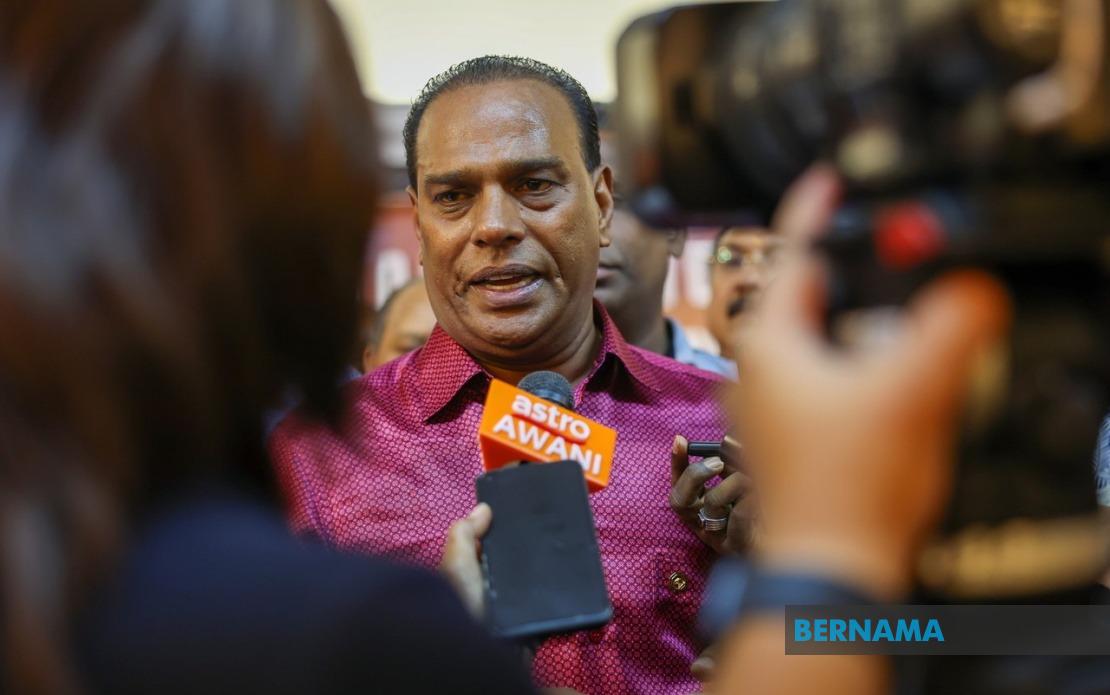
Datuk Seri M. Saravanan, the former Human Resources Minister and Tapah MP, has publicly acknowledged that he will appear before the Sessions Court in Kuala Lumpur to answer charges expected to be filed against him. The MIC deputy president made the announcement through a video statement distributed to media outlets, signalling his intention to contest the allegations through the judicial system rather than attempt to evade the proceedings.
The charges against Saravanan relate to his alleged involvement in the recruitment of foreign workers during the acute phase of the COVID-19 pandemic in 2022, a period when Malaysia was grappling with severe restrictions on cross-border movement and labour importation. The government had implemented strict protocols governing foreign worker intake to prevent disease transmission and protect domestic employment during the economic downturn caused by lockdowns and mobility controls.
According to Saravanan's statement, the allegations stemmed from claims made by a third party whose initial accusation has become significantly complicated by subsequent developments. The individual who made the original statement linking Saravanan to the foreign worker hiring issue passed away two months prior to the announcement, raising questions about the evidentiary foundation for the charges proceeding to court. In a further twist, this same individual had previously executed a Statutory Declaration formally withdrawing the allegations before his death.
The former minister emphasised his complete lack of any direct contact with the individual who made the accusations. Saravanan stressed that he had neither communicated with nor known the accuser through any means, whether by telephone conversation or short message service exchanges. This denial is significant because it directly challenges the basis upon which the charges may rest, suggesting that any connection between Saravanan and the alleged wrongdoing is purely circumstantial or based on hearsay rather than direct interaction.
The Malaysian Anti-Corruption Commission issued a media invitation earlier in the week announcing that charges would be filed against the former minister at the Sessions Court. The MACC has indicated that the charges will be brought under Section 16 of the Malaysian Anti-Corruption Commission Act 2009, which addresses the solicitation, receipt, giving, promising, or offering of bribes. This provision carries serious implications for public officials and reflects the commission's view that the conduct in question constitutes corruption.
Saravanan's legal representatives are preparing to take immediate action upon his appearance in court. The defence team plans to file an application requesting that the trial be expedited and proceed without unnecessary delays or adjournments. This tactical approach suggests confidence in the strength of the defence and an eagerness to bring the matter to resolution swiftly, potentially to limit the reputational damage that prolonged legal proceedings might inflict on his political career and public standing.
The case draws attention to the sensitive intersection between pandemic-era labour management and anti-corruption enforcement in Malaysia. During 2022, the country was navigating a complex transition back to normalcy after two years of strict COVID-19 measures, and decisions regarding foreign worker recruitment carried both economic and public health implications. The allegations against Saravanan, therefore, extend beyond simple personnel administration into questions of whether public officials exploited emergency conditions for personal benefit or acted in the national interest.
Saravanan's public acknowledgement of the forthcoming charges, rather than remaining silent or contesting the charges' filing, represents a deliberate strategy to manage the political narrative. By taking control of the announcement and framing the charges through his own words, he has positioned himself as cooperative with the justice system while simultaneously highlighting what he views as weaknesses in the prosecution's case, particularly the death of the primary accuser and that individual's withdrawal of allegations.
The matter carries implications for Malaysian governance and institutional trust. The MACC's pursuit of charges despite the death of the original complainant and the existence of a Statutory Declaration retracting allegations suggests either exceptional confidence in alternative evidence or a determination to proceed based on institutional findings independent of the initial complaint. This raises public questions about whether the prosecution can sustain its case in court and whether the evidence is sufficiently robust to secure a conviction.
Saravanan's role as deputy president of the Malaysian Indian Congress adds a political dimension to the case. The MIC, as a component party of the Barisan Nasional coalition, has traditionally held specific ministerial portfolios including human resources. The charges against a senior party figure could affect party dynamics and the broader coalition's credibility on governance and anti-corruption matters during a period when Malaysian politics remains fluid following recent electoral changes.
The resolution of this case will significantly impact not only Saravanan's political future but also set precedent regarding how the MACC handles cases where key witnesses are unavailable due to death or have recanted their statements. Malaysian courts will need to evaluate the strength of circumstantial and indirect evidence in a high-profile corruption case, particularly when the defence maintains that the accused had no direct relationship with the accuser. The outcome will send important signals about enforcement standards and the standards of proof required in Malaysian corruption proceedings.

