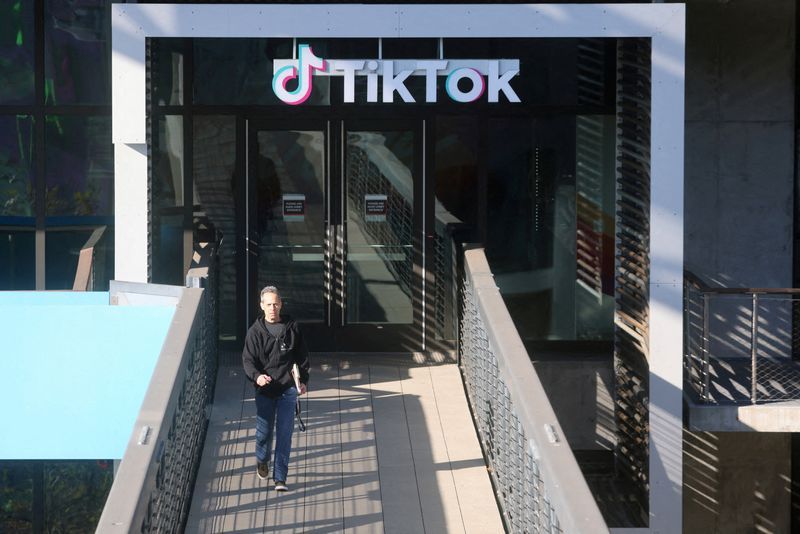
Florida's attorney general James Uthmeier has initiated legal action against TikTok, contending that the video-sharing platform is breaching a state law designed to shield children from social media harm. The lawsuit, lodged in St. Lucie County, takes aim at what Uthmeier characterises as systematic violations of regulations intended to prevent minors below 14 years old from establishing accounts on digital platforms.
According to the complaint, TikTok's conduct involves two distinct types of regulatory infraction. The platform allegedly allows underage users to access its services despite legal prohibitions, and simultaneously misrepresents the extent to which young users encounter violent or sexually explicit material on the application. Uthmeier, a Republican official, framed the allegations as a calculated prioritisation of corporate revenue over child welfare, declaring in a statement that his office maintains "zero tolerance" for enterprises that subordinate young people's safety to profit maximisation.
The legislation at issue, formally designated H.B. 3, represents Florida's legislative attempt to establish stricter guardrails around youth engagement with social platforms. Enacted in January 2025, the law establishes a categorical prohibition on account creation for users below 14 years of age, whilst requiring those between 14 and 16 to obtain parental authorisation before joining platforms. The statute reflects broader anxiety among state lawmakers concerning the psychological and developmental impacts of unrestricted social media exposure on children and adolescents.
TikTok's response to the enforcement action indicates the platform recognises the legal seriousness of the challenge. A company spokesperson acknowledged ongoing dialogue with the attorney general's office and confirmed that accounts belonging to users under 14 in Florida have been flagged for suspension. The statement further indicated that TikTok continues refining its systems and policies to accommodate Florida's regulatory framework, suggesting the company is attempting to navigate compliance without abandoning its core user base. Nevertheless, TikTok maintains confidence in what it describes as "strong" protections for younger users, signalling its intention to contest the allegations vigorously.
Florida's action against TikTok reflects a wider legal offensive that state governments across the United States have mounted against major social media operators. More than 25 state attorneys general have filed separate suits alleging that TikTok's platform architecture incorporates design features deliberately engineered to maximise user engagement and dependence, particularly among minors. These cases typically invoke state consumer protection statutes as their legal foundation, distinguishing them from constitutional or federal law challenges.
The litigation landscape surrounding social media and youth safety has expanded substantially beyond TikTok alone. Meta Platforms, the parent company of Facebook and Instagram, and Google face concurrent legal exposure from thousands of lawsuits initiated by individual users, families, and educational institutions. These plaintiffs contend that social platforms have contributed materially to documented increases in adolescent depression, anxiety, and other mental health conditions. In one notable verdict from a Los Angeles courtroom, a jury determined that Meta and Google had acted negligently in a case brought by a young woman alleging her psychological deterioration resulted from platform addiction. TikTok settled its involvement in that particular case before trial proceedings commenced, and separately agreed to a payment of $8 million to resolve a Kentucky school district's claims.
Florida has pursued parallel enforcement actions against other major players in the social media ecosystem. In 2025, the state initiated litigation against Snap, the entity operating Snapchat, making allegations that the platform unlawfully employs manipulative features designed to engender dependency in children whilst simultaneously permitting account registration for users as young as 13. The state's complaint characterised Snap's conduct as "particularly egregious" given that the Santa Monica-based firm markets Snapchat as suitable for 13-year-olds despite documented capacity for users to access pornographic material and facilitate illegal drug transactions through the application's infrastructure.
The constitutional dimensions of Florida's regulatory approach have become contested within the federal judiciary. A Florida federal judge previously issued a ruling declaring H.B. 3 unconstitutional, concluding that the statute infringes upon minors' First Amendment protections as guaranteed under the United States Constitution. However, this judicial determination has been temporarily suspended, permitting Florida to continue enforcing the law whilst the state prosecutes an appeal of the constitutional decision. This procedural posture creates uncertainty regarding the legislation's long-term viability, though it allows continued enforcement during the appellate process.
For Malaysian and Southeast Asian audiences, the Florida litigation carries significance as a bellwether of emerging regulatory trends in the Western hemisphere. As governments globally confront questions about appropriate oversight of social media platforms, the approaches adopted by American states often influence regulatory thinking in other jurisdictions, including Malaysia. The tensions evident in Florida's case—balancing child protection against platform innovation and user freedoms—mirror debates occurring within Malaysia's own regulatory frameworks, particularly as discussions surrounding digital content regulation and youth safety continue to evolve.
The financial stakes of these enforcement actions remain substantial. Beyond potential damages awards, platforms risk injunctions requiring costly operational modifications or account restrictions that could affect their commercial viability in specific markets. TikTok's settlement of the Kentucky school district case for $8 million illustrates the magnitude of financial exposure that companies confront, and the Florida action could potentially result in comparable or greater remedies if the state prevails. Social media companies have uniformly denied the fundamental allegations against them, characterising their safety initiatives as comprehensive and effective, though these assertions continue facing scepticism from regulators and courts alike.
The broader implication of Florida's litigation strategy involves shifting responsibility for child safety from platforms themselves toward external regulatory enforcement. Rather than relying primarily on industry self-regulation or parental monitoring, the state has enacted statutory requirements establishing categorical prohibitions and affirmative compliance obligations. This marks a departure from earlier periods when platform conduct regarding youth users existed largely within a zone of minimal regulatory intervention. Whether this enforcement model proves effective in substantially improving child safety online remains uncertain, but the proliferation of state-level litigation suggests policymakers believe that legal compulsion represents a necessary complement to voluntary industry measures.