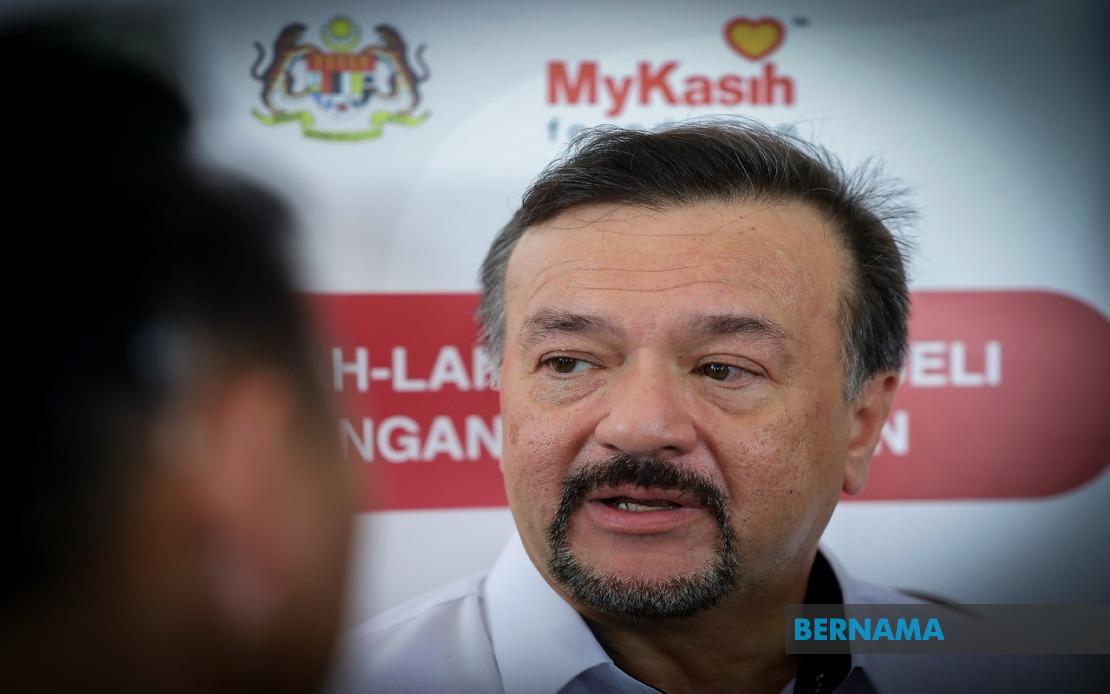
The Malaysian government has signalled flexibility in managing the BUDI MADANI Diesel subsidy scheme, with Finance Minister II Datuk Seri Amir Hamzah Azizan indicating openness to refinements that emerge from real-world usage patterns. Speaking during a media briefing in Kuching on the targeted diesel subsidy reforms, Amir Hamzah underscored that any policy adjustments—including potential quota increases—would be determined through empirical evidence rather than speculation or political pressure.
The ministry's pragmatic approach reflects lessons learned from previous subsidy initiatives. When Malaysia first introduced the RON95 petrol subsidy cap, concerns surfaced about quota limitations proving insufficient for motorists. However, subsequent analysis of actual consumption between January and May this year revealed a starkly different picture: merely 0.76 per cent of participants exceeded the 200-litre monthly threshold. This data-driven perspective has become central to the government's decision-making framework, suggesting that initial anxiety about constrictive limits may have been unfounded.
Amir Hamzah's comments indicate the ministry will allow the BUDI Diesel programme adequate time to mature before implementing significant structural changes. Rather than rushing to expand quotas or modify eligibility criteria in response to early feedback, policymakers intend to accumulate sufficient consumption data that reflects genuine patterns across diverse user segments and regional contexts. This measured stance aims to prevent reactive policy-making that could undermine the programme's fiscal sustainability or create unintended consequences.
The finance ministry has drawn explicit parallels with its successful overhaul of the e-hailing subsidy framework, which initially generated complaints about inadequate fuel allocations. Upon reviewing actual consumption records submitted by ride-sharing companies, the government discovered significant variation in driver fuel requirements. Some operators required substantially more monthly support than the baseline allocation, reflecting differences in operational patterns, vehicle efficiency, and route geography. These findings prompted a recalibrated two-tier system offering quotas of either 600 or 800 litres, with individual adjustments determined by documented usage history.
This precedent demonstrates the government's capacity to implement targeted adjustments without dismantling existing programmes. The e-hailing case study suggests that the BUDI Diesel framework, though relatively nascent, possesses inherent flexibility to accommodate legitimate variations in consumption patterns across different user categories. Rather than establishing rigid, uniform quotas, the ministry appears inclined toward personalised allocations grounded in verifiable data.
The timing of these remarks carries significance for regional policy discourse. Malaysia's subsidy reform efforts have attracted international attention amid broader Southeast Asian conversations about fiscal consolidation and energy market liberalisation. The government's transparency regarding its analytical approach—publishing usage statistics and inviting scrutiny—contrasts with less documented subsidy management in neighbouring economies. This openness potentially strengthens public confidence in the programme's design while creating benchmarks for comparative assessment.
For Malaysian consumers and businesses affected by targeted diesel subsidies, the ministry's flexibility offers some reassurance that genuine hardship stemming from inadequate quotas will receive consideration. However, this pragmatism comes with implicit expectations: stakeholders seeking quota increases must present compelling usage data rather than anecdotal complaints. The government has essentially drawn a clear boundary between evidence-based policy refinement and ad hoc political accommodation.
The involvement of Works Minister Datuk Seri Alexander Nanta Linggi in the briefing underscores the cross-ministerial dimensions of diesel subsidy policy. The construction and infrastructure sectors, which rely heavily on fuel-intensive operations, maintain particular interests in subsidy programme architecture. Multi-ministry engagement suggests coordination between economic management and sector-specific needs, reducing the risk of policy silos that might inadvertently disadvantage essential industries.
Looking forward, the government's commitment to data-driven adjustments implies that the coming months will prove critical for establishing the BUDI Diesel programme's operational legitimacy. If consumption data continues demonstrating that current quotas align reasonably with user needs, the ministry can claim successful policy design. Conversely, should evidence accumulate showing widespread quota insufficiency affecting specific sectors or regions, the government has already indicated preparedness to intervene with targeted modifications.
This adaptive governance model reflects international best practices in subsidy programme management, where flexibility and evidence synthesis protect both fiscal integrity and equity objectives. Rather than choosing between ideological commitment to subsidy reduction and pragmatic accommodation of legitimate needs, the Malaysian approach attempts synthesis through structured data review. Whether this methodology ultimately proves sufficient to manage competing demands remains uncertain, but the declared willingness to reconsider positions based on empirical findings represents a meaningful departure from purely ideological policy-making.

