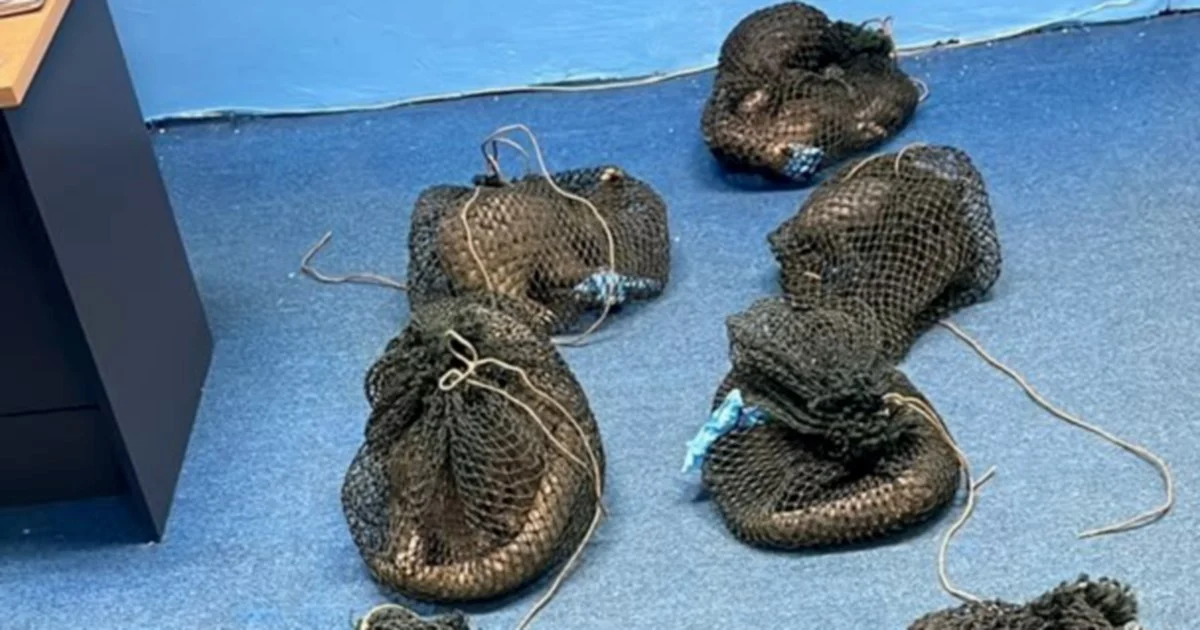
A 27-year-old Filipino national faces serious wildlife trafficking charges after enforcement officers conducted a raid on a plantation property in Kampung Paris 3, Kinabatangan, yielding the confiscation of ten live pangolins and an elephant tusk. The operation, which took place yesterday, highlights the ongoing challenge Malaysian authorities confront in combating the illegal wildlife trade that continues to threaten endangered species across the region and generates substantial profits for criminal syndicates.
The plantation setting where the pangolins were discovered suggests a deliberate effort to obscure illegal wildlife operations within what appears to be legitimate agricultural activity. This concealment strategy has become increasingly common among trafficking networks, who exploit the camouflage of rural operations and temporary labour arrangements to shield contraband from detection. The presence of both the pangolins and the elephant tusk at a single location indicates this was likely a consolidation point in a broader smuggling pipeline rather than a final destination.
Pangolins remain the world's most trafficked mammals, pursued relentlessly for their scales which are used in traditional medicine throughout East Asia, despite their lack of proven medicinal value. The ten individuals recovered represent not just an environmental crime but a biodiversity catastrophe, as pangolin populations have declined precipitously across their natural ranges. Malaysia hosts several pangolin species, and their capture for the illegal trade directly undermines conservation efforts across Sabah and Sarawak, where populations face mounting pressure from habitat loss and poaching.
The elephant tusk seizure underscores the interconnected nature of endangered species trafficking, where criminal organisations simultaneously exploit multiple protected species using comparable supply chains and distribution networks. Ivory trafficking, though declining from its peak in the early 2010s, continues to drive demand for elephant products across Southeast Asia and beyond. The concurrent recovery of both pangolin specimens and ivory suggests this operation was embedded within a sophisticated criminal network with connections to multiple trafficking verticals.
Sabah's geographic position as a maritime and land border zone with the Philippines has rendered it particularly vulnerable to transnational wildlife smuggling operations. The porous nature of the Sulu-Celebes maritime zone and terrestrial connections facilitate the movement of contraband between the Philippines and Malaysian territory. Filipino nationals have featured prominently in several high-profile trafficking cases across Sabah in recent years, indicating the involvement of organised criminal networks operating across territorial boundaries.
The plantation location in Kinabatangan district, situated within the lower Kinabatangan wildlife corridor region, suggests perpetrators understood the ecological significance of the area and may have targeted it deliberately for accessibility to remaining wild populations. This district contains critical habitat for numerous endangered species and serves as a crucial migration and breeding area for wildlife across Sabah. The operation's proximity to such biologically significant terrain raises questions about whether the individuals were sourcing animals from wild populations in the vicinity or receiving them through longer supply chains.
Malaysian enforcement agencies, including the Department of Wildlife and National Parks and customs authorities, have intensified inter-agency coordination to disrupt wildlife trafficking networks. However, the continued discovery of significant contraband seizures indicates that criminal operators maintain operational capacity and sufficient demand-side markets to justify the risks associated with trafficking. The success of this particular operation demonstrates effective ground-level intelligence and enforcement capability, yet the ongoing volume of seizures suggests resources remain stretched across the vast territories that enforcement agencies must patrol.
The fate of the ten confiscated pangolins will likely involve placement in licensed care facilities or rehabilitation centres, assuming they remain healthy following their capture and detention. Rehabilitation of pangolins presents distinct challenges due to their specialised dietary requirements and sensitive constitutions, which makes their recovery rates relatively low compared to other confiscated wildlife. The elephant tusk will enter the government evidence system and may eventually be destroyed as part of Malaysia's commitment to demonstrating the futility of ivory trafficking through visible destruction of seized materials.
This seizure must be contextualised within broader regional patterns where trafficking prosecutions frequently result in relatively modest penalties that fail to deter participation by lower-level operatives. The profitability of the illegal trade often outweighs the expected costs of enforcement, creating a structural imbalance that allows organised networks to absorb occasional losses while maintaining overall operational viability. Malaysian courts have demonstrated increasing willingness to impose substantial sentences in wildlife trafficking cases, though inconsistency in sentencing remains a concern.
The environmental implications extend beyond the immediate species affected. Pangolins regulate insect populations through their diet, and their removal from ecosystems creates ecological imbalances. The trafficking of apex predators and keystone species like elephants removes animals critical to ecosystem function, cascading effects that ultimately diminish ecosystem services that humans depend upon. The operation illustrates why wildlife trafficking warrants classification alongside other serious transnational crimes rather than remaining relegated to environmental or conservation offences with correspondingly modest penalties.
Moving forward, this case demonstrates the necessity for sustained bilateral cooperation between Malaysian and Philippine authorities to dismantle trafficking networks that exploit the geographic proximity and cultural connections between adjacent regions. Intelligence sharing, joint task forces, and harmonised legal frameworks would enhance enforcement capacity. Additionally, addressing the demand-side drivers through education campaigns targeting consumers of pangolin scales and ivory remains critical for long-term species conservation and the prevention of future trafficking operations across Malaysian territory.

