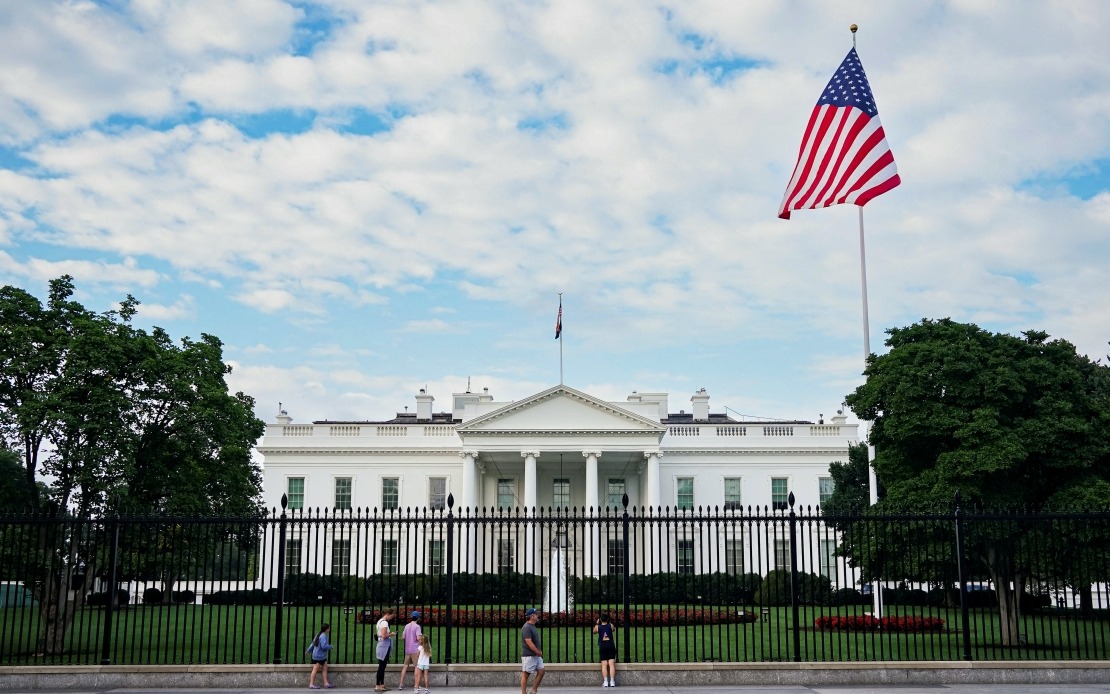
The FBI has disrupted what authorities describe as a coordinated attack plan against a high-profile Ultimate Fighting Championship event held at the White House on Sunday to celebrate President Donald Trump's 80th birthday and mark the United States' 250th anniversary. FBI Director Kash Patel revealed the foiled plot on Tuesday, stating that his agency and partner law enforcement organisations had identified the threat on June 10, just days before the unprecedented cage-fighting spectacle on the South Lawn.
The alleged conspiracy involved a sophisticated multi-phase operation designed to maximise casualties and create widespread chaos. According to officials cited by Fox News, the plotters planned to deploy explosive-laden drones to strike buildings in proximity to the venue, an approach that would distinguish this threat from typical security breaches. The drone strikes were intended to trigger a panic evacuation, causing large crowds to flee the immediate area—directly into a carefully positioned sniper team waiting to inflict further harm. This layered attack methodology reflects significant planning and coordination among the alleged conspirators.
At least five individuals have been taken into custody in connection with the plot, though the investigation has uncovered a much broader network of concern. Investigators have identified 23 people as potentially part of a wider group of plotters, suggesting the conspiracy extended well beyond those arrested. Most troubling to authorities is intelligence suggesting a second wave of violence was planned, with alleged operatives preparing to storm the White House gate once the initial attack had created the desired chaos and confusion.
The event itself drew approximately 4,000 spectators to witness the unusual spectacle of professional mixed martial arts competition on the presidential residence's grounds. Before the UFC event could proceed, however, it faced legal scrutiny. Two Virginia residents challenged the event's legality in court, arguing that hosting such an entertainment spectacle on the White House grounds violated federal regulations and norms. On Friday, a federal judge in the US District Court for the District of Columbia rejected the legal challenge, enabling the event to proceed as planned.
The disrupted plot reflects an escalating pattern of political violence that has characterised recent months across the United States. In April, another individual armed with firearms and edged weapons breached security at the White House Correspondents' Dinner, penetrating a checkpoint designed to protect attendees. That individual now faces charges related to attempted presidential assassination, demonstrating how various threat actors have targeted high-profile events and locations associated with the Trump administration.
For Malaysian and Southeast Asian observers, this incident underscores the sophisticated security challenges that democratic nations face when balancing public spectacle with protective measures. The alleged use of drone technology in a potential terrorist plot represents an evolving threat vector that security agencies worldwide are increasingly confronting. The coordination required to position sniper teams and orchestrate multiple attack phases suggests a level of operational sophistication that extends beyond lone-actor violence.
The scale of the identified network—23 individuals across the broader conspiracy—raises questions about recruitment, radicalization, and communication channels that facilitated such planning. Understanding these networks and their operational methods remains critical for security services globally, particularly as asymmetric threats become more prevalent and technologically enabled.
The incident also highlights tensions inherent in open societies attempting to host public events while managing genuine security threats. The White House UFC event proceeded despite legal challenges and credible threat intelligence, representing a conscious decision to maintain normal political and social functioning even under heightened threat conditions. This approach differs markedly from security responses in some other democracies, where such threats might result in event cancellation or substantial restriction.
The FBI's rapid identification and disruption of the plot, achieved within a six-day window from initial awareness to event completion, demonstrates the effectiveness of coordinated intelligence work. Patel's public announcement of the disrupted attack also reflects a communications strategy intended to demonstrate competent security management and deter would-be plotters through transparency about law enforcement success.
Moving forward, the investigation into the 23 identified individuals and their networks will likely yield intelligence about how such conspiracies form, communicate, and coordinate. The identification of additional suspects beyond those currently in custody suggests ongoing investigative work that may result in further arrests and potential prosecution. The conspiracy's apparent sophistication—involving explosives, drones, and positioned assault teams—indicates that American security agencies continue confronting serious, organized threats rather than merely isolated incidents of political violence.