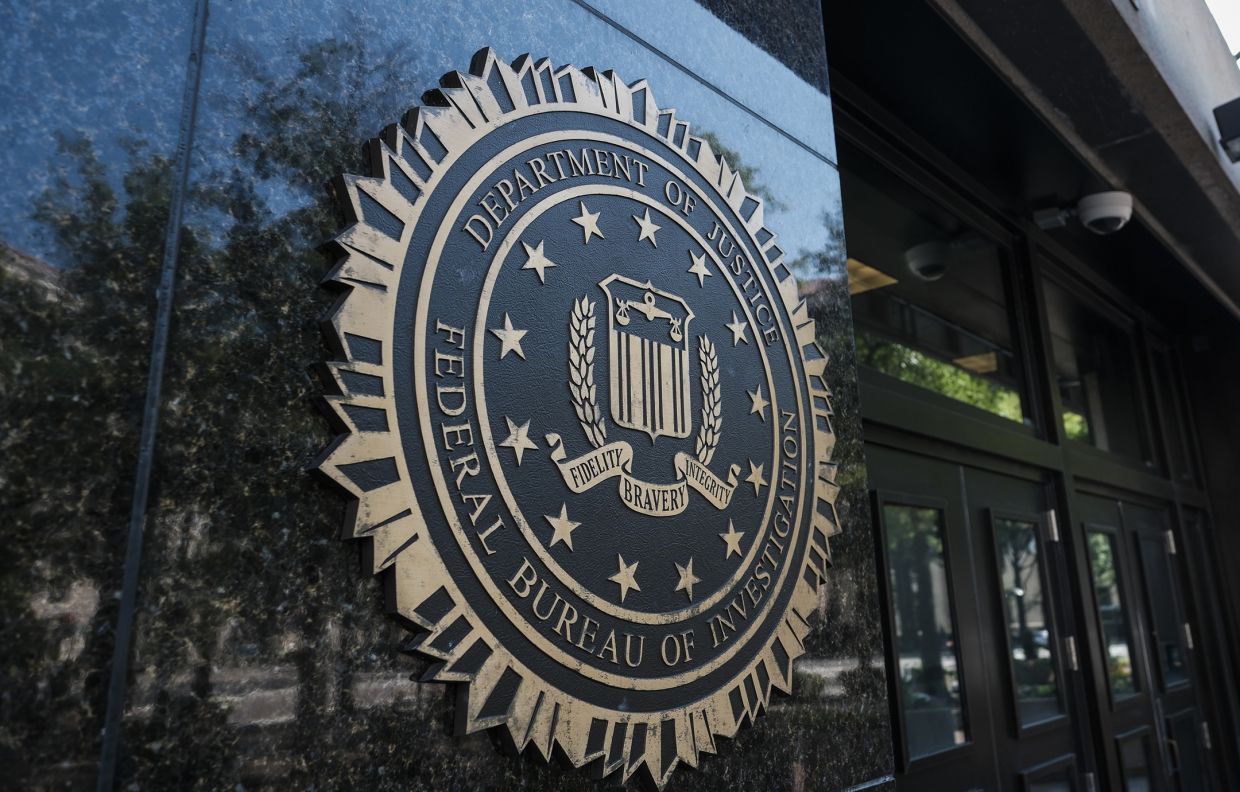
A supervisory FBI agent working in Washington has been arrested on theft charges after admitting to authorities that he stole cryptocurrency during the course of an official investigation. Patrick Yaroch reportedly experienced a crisis of conscience and voluntarily revealed his actions to colleagues at the Justice Department, describing the knowledge of his conduct as something that was "eating him up inside." His decision to unburden himself ultimately led to his downfall, as investigators quickly moved to arrest him over a weekend before he could secure legal representation.
According to an affidavit filed in the case, Yaroch acknowledged taking digital assets that he initially claimed amounted to less than US$1 million (approximately RM4.09 million). However, when law enforcement examined the cryptocurrency wallet where he had deposited the stolen funds, they discovered approximately one million dollars in assets, suggesting his initial accounting was either inaccurate or deliberately understated. The discrepancy raises questions about the agent's transparency during his confession and whether the actual theft was more substantial than he initially disclosed.
The timing of the alleged thefts places them in the late 2024 or early 2025 period, with Yaroch admitting to making between 10 and 12 separate withdrawals from the account. To access these funds, he utilized a pass phrase that the FBI had legitimately obtained during its investigation of the original suspect in the case. This detail underscores how Yaroch exploited his official position and access to sensitive investigative materials for personal gain, converting law enforcement credentials into a tool for financial crime.
Yaroch's motivations appear rooted in frustration with institutional constraints rather than straightforward greed. According to charging documents, the agent told colleagues that he had been "spinning out of control" and expressed frustration that the FBI "could not or would not act against adversarial cryptocurrency accounts." This suggests he may have viewed his actions through a lens of vigilante justice or personal grievance against the limitations he perceived in his organization's ability to address what he considered problematic cryptocurrency activity. Whether such rationale carries weight in the eyes of the courts remains uncertain, but it illustrates the psychological dimensions underlying his criminal conduct.
The speed with which authorities moved against Yaroch is notable. Despite his willingness to cooperate further and his stated intention to consult a lawyer before his next interview scheduled for August 3, FBI officials decided to conduct a weekend search of his residence and place him under arrest. This aggressive timeline suggests investigators wanted to prevent any opportunity for Yaroch to move assets, coordinate a legal defense strategy, or change his story once he had proper counsel. The decision also reflects the seriousness with which federal authorities treat crimes committed by their own personnel.
Court records indicate that Yaroch has not yet been formally charged with stealing the cryptocurrency itself, which may reflect the preliminary nature of the investigation and the authorities' focus on securing his arrest and securing evidence. Instead, the initial charge centers on possession of stolen property, a charge that carries significant legal consequences while potentially leaving room for additional charges to be filed as the investigation progresses. This prosecutorial approach is common when authorities move quickly to detain a suspect and need time to build a more comprehensive case.
The investigation into Yaroch's digital footprint uncovered additional context about his intentions and aspirations. Searches of his internet activity revealed that in May, he had queried ChatGPT for investment advice regarding approximately US$1 million (RM4.09 million), expressing a desire to potentially retire by age 40 and eventually establish a vineyard or agricultural property in scenic European locations such as Cilento in Italy or the Dao region of Portugal. These searches suggest that Yaroch had developed detailed fantasies about how stolen cryptocurrency could finance an entirely different life trajectory, indicating premeditation and planning rather than impulsive action.
The case raises significant concerns about oversight and accountability within federal law enforcement agencies. The fact that a supervisory agent could access suspect accounts, withdraw substantial sums of cryptocurrency, and maintain the theft over several months before confessing points to potential gaps in internal monitoring systems and audit procedures. Cryptocurrency's pseudonymous nature and the specialized expertise required to track digital asset movements may have created an environment where such theft could occur with reduced detection risk compared to traditional financial crimes.
For the broader intelligence and law enforcement community, this incident highlights the particular vulnerabilities associated with cryptocurrency investigations. As federal agencies increasingly pursue cases involving digital assets and blockchain technology, the opportunities for agents to exploit access to suspect wallets and sensitive account information multiply. The Yaroch case suggests that counterintelligence protocols and internal controls designed for traditional financial investigations may prove inadequate for cryptocurrency-related work.
The implications extend beyond internal FBI management to the public's confidence in federal investigations involving cryptocurrency assets. Individuals cooperating with law enforcement or having their assets seized in cryptocurrency cases may now harbor additional concerns about whether their digital holdings will be treated with appropriate security and integrity by the very agents tasked with investigating them. Building public trust in this emerging area of law enforcement becomes more complicated when such breaches occur.
Yaroch's case also underscores the distinctive challenges posed by cryptocurrency in criminal justice contexts. The relative ease of transferring and hiding digital assets, combined with the technical sophistication required to trace them, creates conditions where traditional law enforcement supervision models may require fundamental restructuring. As digital currencies become increasingly integrated into mainstream financial systems and criminal investigations, federal agencies will need to implement more robust safeguards to prevent their own personnel from exploiting access to suspect accounts.
The resolution of Yaroch's case will likely establish important precedents regarding how federal courts treat law enforcement officers who commit theft while investigating cryptocurrency crimes. Whether courts will consider his institutional frustrations as mitigating factors, how they will weigh his voluntary confession against the seriousness of his actions, and what sentences they ultimately impose will shape both deterrence within federal agencies and public perception of accountability in law enforcement.

