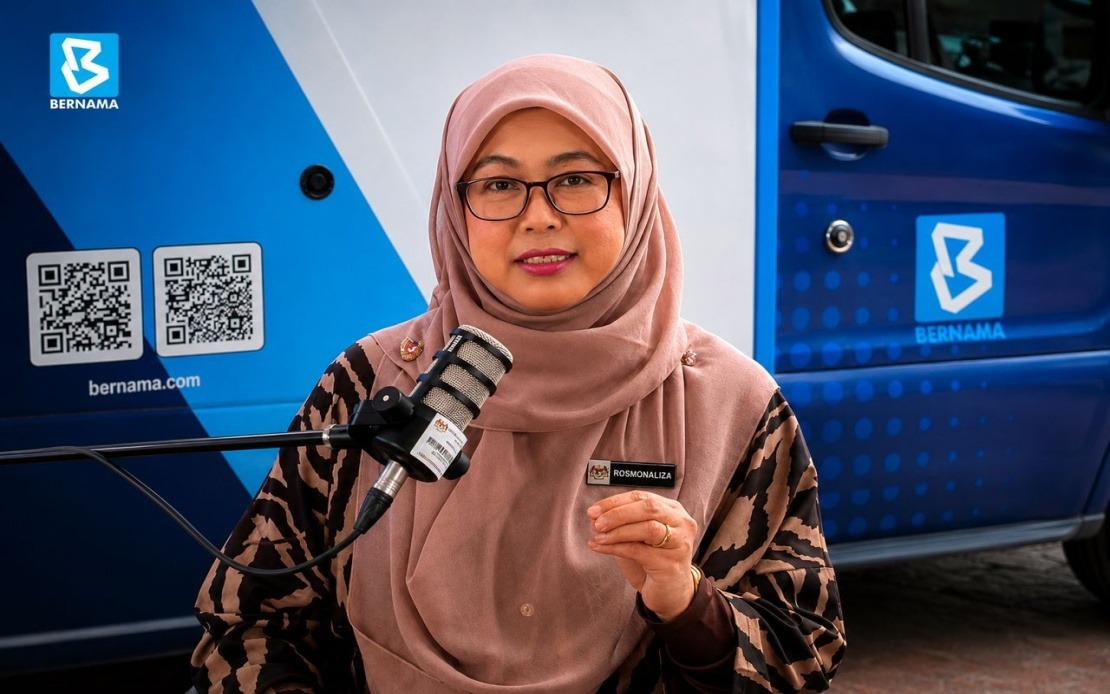
The National Population and Family Development Board (LPPKN) has issued a clarion call for Malaysian fathers to substantially expand their involvement in family life, particularly in nurturing children's emotional development and educational progress. Speaking on the KASIH Lensa Keluarga podcast, Rosmonaliza Abdul Ghani, director of LPPKN's Family Well-being Division, stressed that contemporary living arrangements demand a fundamental reimagining of paternal responsibilities. Her remarks, made in Kuala Lumpur on June 25, reflect growing recognition that the traditional model of fathers as sole economic providers no longer suffices in ensuring family stability and child welfare.
Rosmonaliza articulated a vision where fathers transition from peripheral figures to central agents of family transformation. The shift acknowledges that fathers occupy critical positions in establishing household dynamics characterised by openness, trust, and emotional resilience. She emphasised that meaningful communication within families serves as the cornerstone through which fathers remain engaged in the developmental journey of their children. This perspective challenges long-standing cultural assumptions that have confined paternal roles to financial provision, instead positioning fathers as instrumental in fostering environments where children develop secure emotional attachments and academic motivation.
A significant trend emerging from LPPKN's observations is the growing willingness among Malaysian men to seek professional assistance and participate in family counselling initiatives. This development suggests a gradual cultural shift toward normalising mental health support within households. Rosmonaliza noted that an increasing number of fathers are attending counselling sessions alongside their spouses and children, indicating changing attitudes toward vulnerability and collaborative problem-solving. This openness creates opportunities for structured interventions that address underlying family tensions and equip fathers with practical tools for managing stress while remaining emotionally present for their dependents.
To facilitate this transformation, LPPKN has established a comprehensive support infrastructure designed specifically for fathers navigating contemporary challenges. The organisation provides counselling services, therapeutic interventions, and personality assessments tailored to address the multifaceted pressures fathers encounter. These initiatives acknowledge that modern paternal struggles extend beyond financial constraints, encompassing mental health difficulties, work-life balance issues, and broader existential concerns. By creating designated safe spaces for fathers to articulate concerns without judgment, LPPKN endeavours to counteract the isolation that often accompanies male emotional suppression.
The correlation between absent or disengaged father figures and cascading social dysfunction has been documented through LPPKN's interactions with vulnerable populations. Those working with marginalised communities and street children report that paternal absence frequently underlies drug addiction, petty crime, and educational dropout. The absence creates a vacuum where children lack appropriate male role models and protective supervision, rendering them susceptible to harmful influences. Furthermore, when fathers themselves succumb to substance abuse or poverty, family institutions deteriorate precipitously, triggering cycles of intergenerational disadvantage that extend beyond individual households to affect community cohesion.
Addressing paternal disengagement requires nuanced approaches rooted in compassion rather than censure. Experts emphasise that many fathers struggling with significant life challenges harbour defensive attitudes forged through experiences of shame, failure, or inadequacy. Punitive intervention strategies typically reinforce these defences, driving fathers further from family systems. Instead, approaches anchored in religious values and culturally resonant family principles offer pathways for fathers to reclaim agency as household leaders. These methods recognise that ego and pride often obstruct men's capacity for vulnerability, necessitating respectful engagement that validates their struggles whilst redirecting their energies toward constructive participation.
The reciprocal nature of family support proves equally crucial in enabling fathers to weather life's pressures without internalising distress destructively. Spouses and children who actively acknowledge paternal contributions and extend emotional encouragement provide psychological ballast that sustains men through difficulty. Conversely, when fathers experience their efforts as invisible or unappreciated, resentment and withdrawal become likely responses. Rosmonaliza underscored that children often fail to recognise parental sacrifice until adulthood, if at all, yet this delayed appreciation offers insufficient emotional sustenance during periods of acute strain. The implication is that families functioning optimally cultivate cultures of mutual acknowledgment wherein paternal presence and engagement receive regular affirmation.
Quality time emerges as a particularly valuable currency within contemporary family systems where material provision alone no longer satisfies developmental needs. Research increasingly demonstrates that children value parental presence and attentiveness far more than accumulation of possessions or monetary gifts. For fathers, this reality necessitates deliberate allocation of time for unstructured interaction, conversation, and shared activities with children. Such engagement communicates that children rank among paternal priorities and that their emotional worlds matter sufficiently to warrant parental investment. This represents a significant departure from models where fathers' presence was contingent upon successful provision of material resources.
The implications for Malaysian society are substantial. As economic pressures intensify and family structures diversify, the traditional demarcation between maternal and paternal responsibilities has blurred considerably. Mothers increasingly shoulder earning responsibilities whilst maintaining domestic expectations, creating household conditions where paternal emotional engagement becomes not merely desirable but necessary for family equilibrium. LPPKN's advocacy thus responds to structural shifts reshaping Malaysian households rather than imposing purely ideological preferences. Policies and programmes supporting paternal engagement yield benefits extending beyond individual families to encompass neighbourhood safety, educational achievement, and broader social stability.
Looking forward, normalising paternal involvement in emotional and educational domains requires sustained effort across multiple institutional levels. Schools might engage fathers more deliberately in academic progress monitoring and extracurricular participation. Religious institutions could integrate messaging about paternal responsibilities into spiritual teaching. Healthcare systems might facilitate father-inclusive prenatal education and paediatric visits. Workplace policies accommodating paternal leave and flexible scheduling signal organisational recognition of fathers' legitimate family obligations. These coordinated approaches acknowledge that transformation in paternal roles constitutes not a personal choice but a collective social necessity warranting systemic support.
Ultimately, LPPKN's message resonates with the reality that contemporary Malaysian families require fathers functioning as fully dimensional participants in all aspects of child development. The transition from provider-only models toward engaged co-nurturers demands cultural permission, practical support, and sustained encouragement. By offering accessible counselling, validating paternal struggles, and celebrating expanding male participation in family life, LPPKN positions itself as institutional leader in this crucial social transition. The outcome depends substantially on whether wider Malaysian society embraces this reframing of paternal responsibility as essential rather than supplementary to family wellbeing.

