A tragic incident in Rajasthan's Dholpur district has drawn police attention to a case that exemplifies the persistent threat of honour-based violence in parts of India. Two young women are believed to have died after being thrown into a river by members of their immediate family, with investigators now exploring whether the killings were motivated by the family's disapproval of the victims' romantic choices. The case has been registered with authorities treating it as a potential honour killing, a category of crime that continues to generate widespread concern across South Asia despite legal protections and social reform efforts.
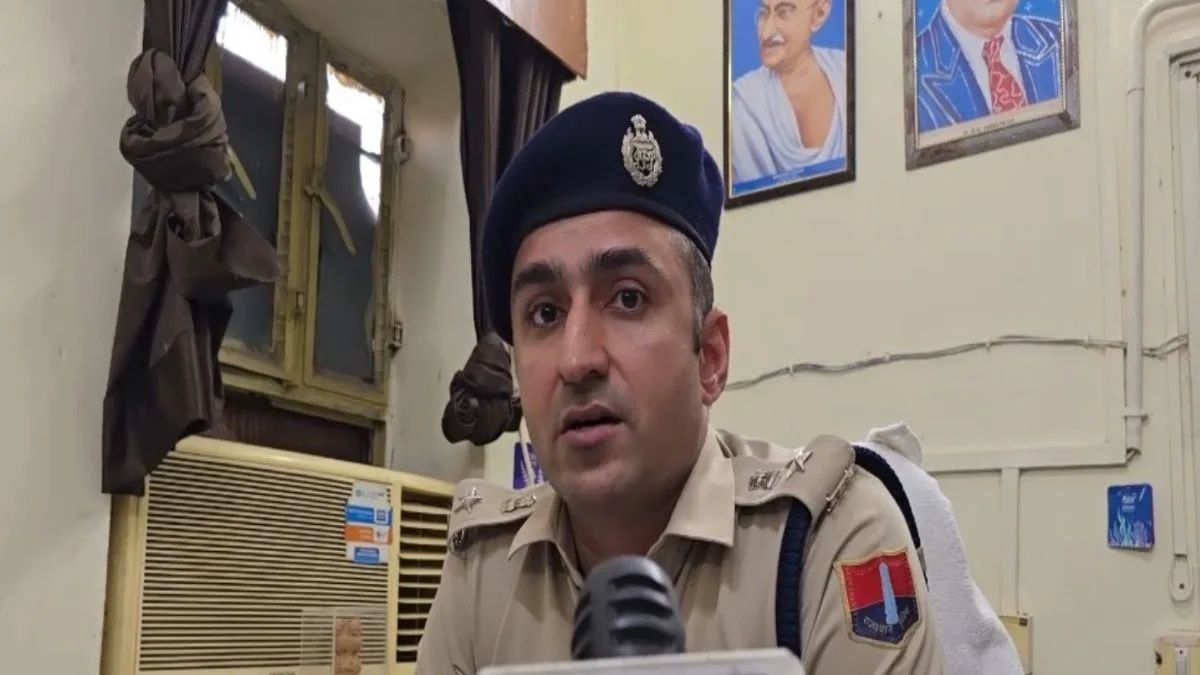
The incident allegedly unfolded on the night of June 11 near Sagarpada Bridge in Pharakpur village, according to information that reached police on Friday, June 19. Superintendent of Police Vikas Sangwan confirmed that authorities received reports implicating Bharat Lodha, identified as a father of four from the village, in connection with the deaths of two of his daughters. Upon receiving this information, police teams were dispatched to the scene to conduct preliminary investigations and secure evidence from the location.
What emerged from these initial inquiries was a narrative suggesting family conflict over romantic relationships. Police findings indicate that the two women had formed attachments that their relatives rejected, creating tension within the household. Rather than resolving this tension through dialogue or accepting the women's autonomy over their personal lives, family members allegedly resorted to violence. This pattern mirrors concerns raised by human rights organisations and family law experts who point to how traditional notions of honour and family reputation can override individual safety and agency, particularly affecting women in conservative communities.
The Sadar Police investigation has identified Bharat Lodha and several other relatives as suspects, though authorities have emphasised that the inquiry remains ongoing and preliminary findings require further verification. Sangwan outlined the investigative approach his team is pursuing, explaining that officers are attempting to reconstruct the sequence of events leading to the alleged crime. This reconstruction involves examining crucial details such as how the victims were transported to Sagarpada Bridge, who accompanied them, what vehicles were used, and the specific timeline of their movements.
Police estimates place the alleged incident between 9 and 10 in the evening, though investigators continue to verify this timing through witness statements and other evidence. The location near Sagarpada Bridge—a bridge spanning the river—suggests the accused may have chosen this spot deliberately, possibly to conceal the crime by allowing the current to carry away evidence. The selection of such a location underscores the premeditated nature authorities suspect, distinguishing this from a crime of passion or momentary anger.
The investigation encompasses multiple dimensions that remain under examination. Authorities are scrutinising questions about modus operandi, the route taken to the bridge, the timing of when the victims left their residence, the vehicle or transport method employed, and the specific individuals involved in different stages of the alleged crime. Each of these investigative threads could reveal whether this was carried out by a single family member or represented a collective decision involving multiple relatives. Such findings would carry significant legal implications, as Indian law distinguishes between principal perpetrators and those who abetted or conspired in the commission of offence.
For Malaysian and Southeast Asian observers, this case resonates with ongoing discussions about violence within families and the particular vulnerability of women who exercise agency over their relationships and life choices. While Malaysia has made significant strides in women's rights protection and criminalising various forms of gender-based violence, incidents across the region demonstrate that social attitudes shift more slowly than legislation. The Rajasthan case serves as a reminder of how deeply entrenched cultural attitudes regarding family honour can remain in some communities, even in an era of constitutional protections and judicial reform.
The Rajasthan Police's public acknowledgement of the honour-killing angle represents an important step in bringing such cases into the open rather than allowing them to be concealed through victim-blaming narratives or false accident reports. Police transparency about investigating this angle signals awareness among law enforcement that honour-based violence warrants specific attention and investigation. However, regional authorities across South Asia continue to grapple with challenges in prevention, detection, and prosecution of such crimes, particularly in rural areas where traditional power structures remain strong.
Authorities have indicated that legal action will proceed based on investigation findings, though they have cautioned that the complete picture remains under development. The case will likely proceed under relevant sections of the Indian Penal Code addressing homicide, conspiracy, and potentially specific provisions addressing crimes against women. The specific charges levelled against Bharat Lodha and his relatives will depend on the extent of evidence gathered regarding their individual roles and the circumstances surrounding the alleged killings.
This incident underscores broader questions about how society confronts the phenomenon of honour-based violence. Prevention requires not only robust criminal justice mechanisms but also sustained public education, community engagement, and support systems for women at risk. The case also highlights the importance of accessible reporting mechanisms and police responsiveness to allegations, since family violence often remains hidden within domestic settings. For policymakers and civil society across the region, the Rajasthan case presents stark evidence of why continued commitment to gender equality and women's autonomy remains essential, regardless of how much progress has already been achieved.

