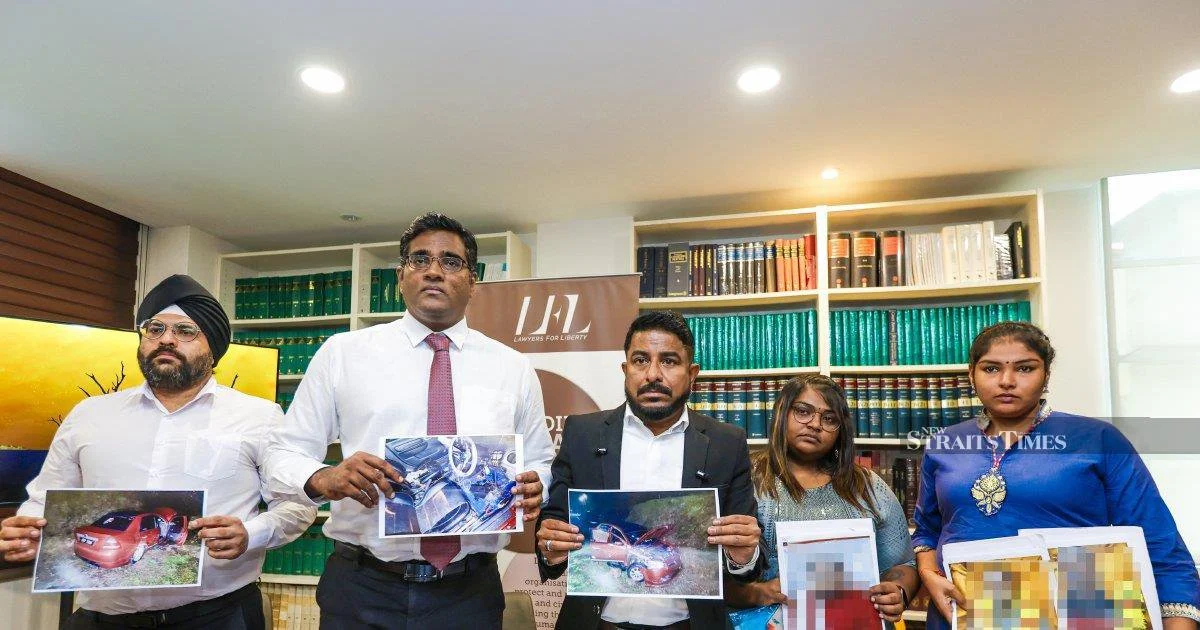
The families of three men fatally shot by police in Durian Tunggal, Melaka, during an operation on November 24 have escalated their demands for accountability by calling for the Malaysian Anti-Corruption Commission to launch a formal investigation into the conduct of the law enforcement officers involved. The move represents a significant step beyond routine police inquiries, suggesting relatives believe potential corruption or misconduct may have played a role in the incident.
The decision to involve the anti-corruption agency reflects growing public scrutiny surrounding police use of lethal force in Malaysia. When police shootings result in deaths, questions invariably emerge about whether operational procedures were followed correctly and whether the response was proportionate to the circumstances. By appealing to the MACC rather than relying solely on internal police investigations, the families have signalled their lack of confidence in the standard accountability mechanisms, which critics argue may not provide independent oversight.
The November 24 incident in Durian Tunggal represents one of several high-profile cases in recent years where police operations have resulted in fatalities. The pattern of such incidents has prompted increased calls from civil society groups and legal advocates for more transparent investigation protocols and clearer guidelines governing when lethal force can be deployed. The involvement of families in pursuing an MACC inquiry demonstrates how bereaved communities are becoming more assertive in demanding justice and answers.
The Malaysian Anti-Corruption Commission, while traditionally focused on investigating bribery, abuse of power, and financial irregularities, has jurisdiction to examine whether public officials have acted in breach of their duties. If the families can establish that corruption or serious misconduct contributed to the shooting, an MACC inquiry could potentially uncover failures in oversight, training, or adherence to standard operating procedures that might otherwise remain hidden in internal police reviews.
This case arrives amid broader concerns about police accountability in Southeast Asia. Malaysia has been grappling with questions about use of force protocols, particularly in high-risk operations. The decision to pursue an independent anti-corruption investigation rather than accepting preliminary police accounts suggests the bereaved families believe there are unresolved questions that deserve scrutiny beyond what police institutions might voluntarily disclose.
The families' appeal to the MACC underscores a fundamental challenge in Malaysian law enforcement accountability. While the Royal Malaysia Police has internal disciplinary mechanisms and investigative units, external oversight bodies like the MACC provide an additional layer of scrutiny that some believe is necessary for genuine accountability. The distinction matters because external investigators may be perceived as more independent and less influenced by institutional loyalty or pressure to protect colleagues.
Preliminary reports and initial police statements surrounding fatal shootings often lack the detail that bereaved families seek. Questions about whether de-escalation was attempted, whether the officers posed immediate threat, and whether use of lethal force was the only available option typically require thorough external review. The families' pursuit of an MACC inquiry suggests they want answers to these specific questions rather than accepting standard explanations offered by police public relations units.
The timing and nature of this case reflects wider regional trends. Throughout Southeast Asia, families of victims in police operations have increasingly turned to anti-corruption agencies and human rights bodies when they believe standard accountability mechanisms are inadequate. Malaysia's MACC has handled several high-profile investigations involving allegations of abuse of power, setting a precedent for examining matters that extend beyond conventional corruption.
For the MACC to take action, the families would need to present evidence suggesting the officers involved acted outside their authority or breached their duties as public officials. This might include allegations that excessive force was used, that proper procedures were not followed, or that the operation itself was conducted improperly. The threshold for MACC involvement differs from criminal or civil liability, potentially providing an avenue for investigation when other legal routes seem blocked.
This case also highlights the absence of a civilian review board independent from police hierarchy in Malaysia. Many democracies have established external bodies to review police use of force, providing families and the public with confidence that investigations are impartial. The families' decision to pursue an MACC inquiry may reflect frustration with Malaysia's current institutional structure, which relies heavily on internal police mechanisms for accountability in shooting incidents.
The incident in Durian Tunggal on November 24 will likely remain contentious until the families receive satisfactory answers about what occurred and why lethal force was deemed necessary. Whether the MACC agrees to investigate may signal whether Malaysia's anti-corruption institutions view their mandate broadly enough to encompass police accountability matters. The outcome could set important precedents for how similar cases are handled in the future and what avenues bereaved families can realistically pursue when seeking independent review of fatal police operations.
As this case develops, it contributes to an evolving conversation across Malaysia and the region about police oversight, use of force training, and the mechanisms available to ordinary citizens when they believe law enforcement has acted improperly. The families' determination to push for MACC involvement demonstrates that traditional police-led investigations are increasingly viewed as insufficient by those seeking genuine accountability and transparency.