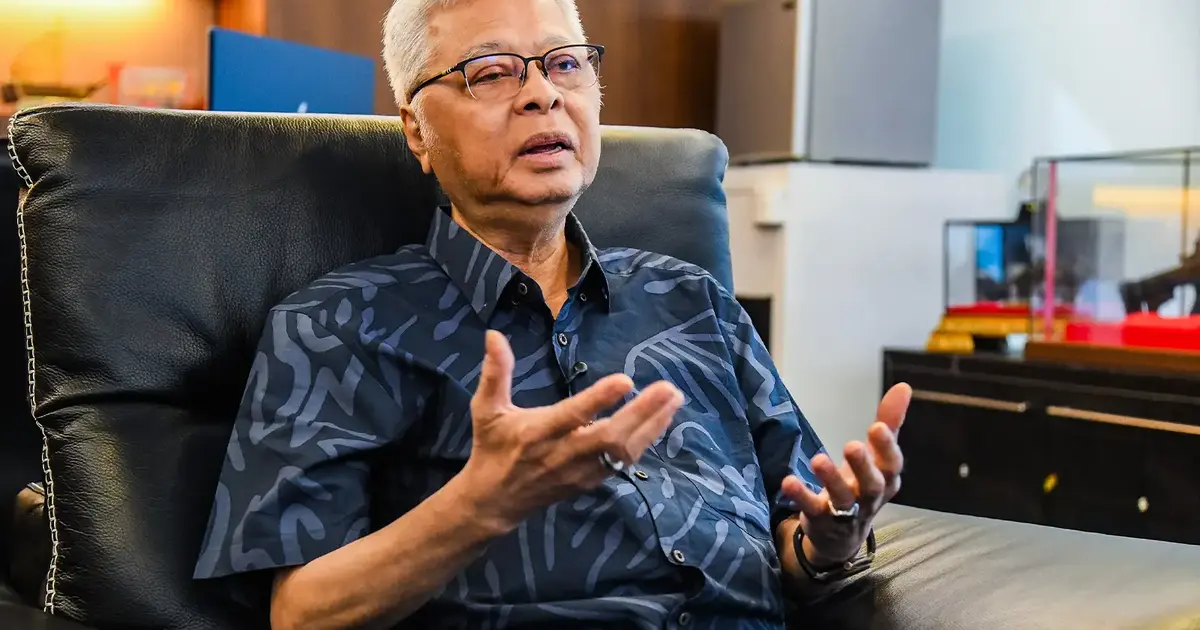
Former Prime Minister Ismail Sabri Yaakob will be charged with corruption-related offences in the Sessions Court tomorrow morning, marking a significant legal development in Malaysia's ongoing anti-graft efforts. The charges will be presented before Sessions Court judge Suzana Hussin at 9am, according to judicial records. The former Umno vice-president's appearance represents one of the highest-profile corruption cases involving a recent holder of the nation's top executive office.
Ismail Sabri's tenure as Prime Minister, which lasted from August 2021 to August 2022, was relatively brief but occurred during a tumultuous political period marked by coalition instability and internal party dynamics. His earlier role as Umno vice-president positioned him as a significant figure within Malaysia's largest Malay-Muslim political party, a position he held before ascending to the premiership following political realignments within the ruling coalition.
The decision to proceed with charges against a former prime minister underscores Malaysia's commitment to pursuing anti-corruption investigations regardless of political status or rank. The Malaysian Anti-Corruption Commission has intensified its operations in recent years, expanding investigations into allegations spanning multiple administrations and government officials at various levels. This case will likely draw considerable public attention given Ismail Sabri's prominence in recent Malaysian politics.
Sessions Court cases of this nature typically involve detailed examination of documentary evidence, witness testimonies, and expert assessments of financial transactions or administrative processes allegedly compromised by corruption. Judge Suzana Hussin will oversee preliminary proceedings that may include bail applications, disclosure of charges, and determination of whether sufficient evidence exists to proceed to trial. The court's decisions at this stage can significantly influence the trajectory of the broader legal process.
The political implications of this development extend beyond the individual defendant. Ismail Sabri remains an influential figure within Umno, and his party's response to these legal proceedings will shape internal party dynamics and broader coalition relationships. Opposition parties may leverage these developments in their political messaging, while the government's handling of the case will be scrutinised for consistency in applying anti-corruption standards across the political spectrum.
For the Malaysian public and regional observers, this case represents a critical test of the independence and effectiveness of the country's institutions in holding high-ranking officials accountable. The strength of evidence presented, the conduct of legal proceedings, and the eventual outcome will influence perceptions of institutional credibility and judicial impartiality. Such cases carry implications for public confidence in government and the rule of law more broadly.
The timing of these charges comes amid Malaysia's broader political landscape, characterised by coalition negotiations, succession planning within major parties, and recurring questions about institutional reform. How the sessions court proceedings unfold may provide insights into the institutional health of Malaysia's democratic system and its capacity to manage high-stakes legal cases involving prominent political figures without compromising either justice or political stability.
Regional observers often view Malaysia's handling of corruption cases involving top officials as indicative of broader governance trends across Southeast Asia. The proceedings against Ismail Sabri will likely be monitored by international organisations focused on transparency and anti-corruption matters, as well as by neighbouring countries assessing comparative standards in institutional accountability within the region.
The formal charging process scheduled for tomorrow represents a pivotal moment in what may become an extended legal proceeding. Sessions Court proceedings in Malaysia can take considerable time to reach resolution, particularly in cases involving complex factual matters or substantial volumes of documentary evidence. The court's initial decisions regarding bail, evidence disclosure, and procedural matters will establish the framework within which subsequent legal arguments and evidence presentation will occur.
As Ismail Sabri prepares to appear before the sessions court, attention will focus not only on the immediate legal proceedings but also on the broader ramifications for his political future and for Umno's positioning within Malaysia's evolving coalition landscape. His legal team will likely pursue all available procedural remedies and defences, while prosecution authorities will present evidence supporting the charges filed. The coming months will be significant in determining the direction and scope of the prosecution's case against the former prime minister.

