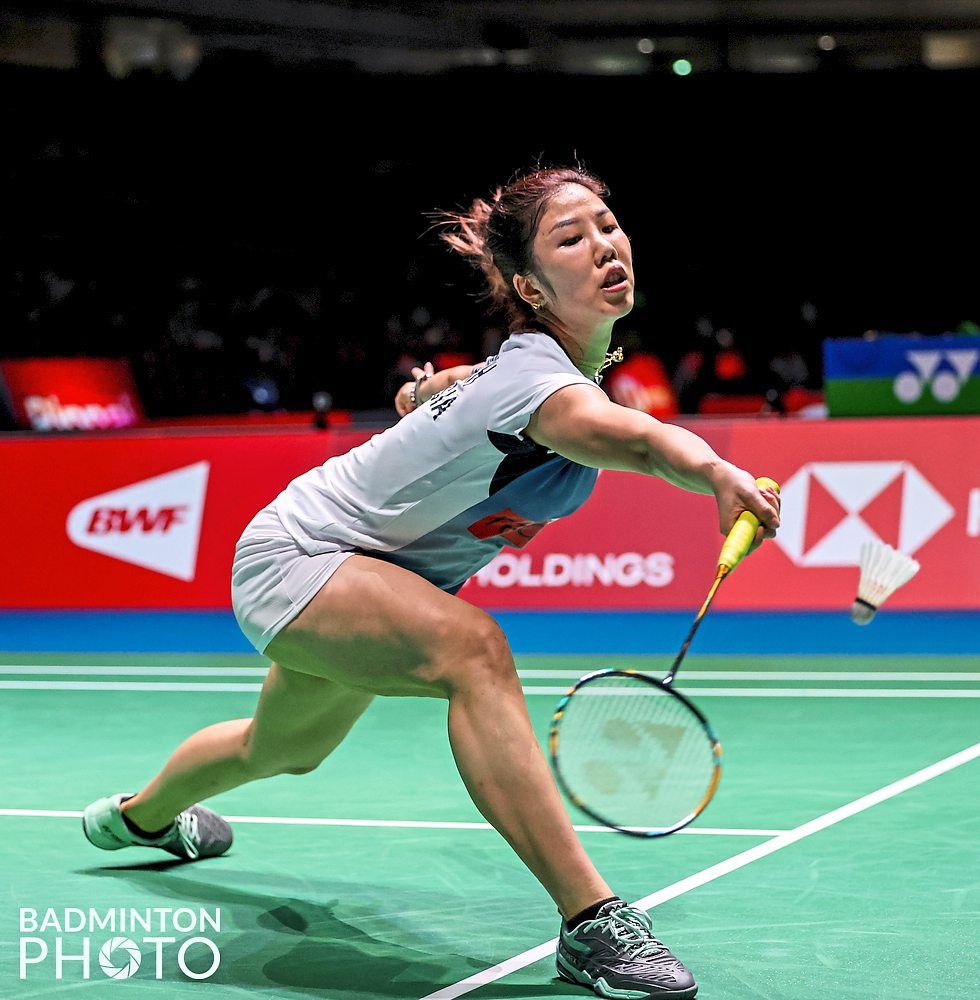
Soniia Cheah, the former Malaysia number one in women's badminton singles, has stepped away from her role as sports director of the Kuala Lumpur Badminton Association (KLBA), bringing her brief tenure to an end on Wednesday. The 33-year-old, who had held the position since February on a one-year contract, tendered her resignation without detailing the specific circumstances that prompted her departure, though she acknowledged the decision required considerable soul-searching.
In a statement to the media, Soniia indicated that her exit reflected fundamental disagreements over governance matters within the association. She framed her resignation not as a personal dispute but rather as a principled stand regarding aspects of the organisation's operations that she felt warranted change. The former national player, who once represented Malaysia at the Tokyo Olympics, emphasised that continuing in the role would have necessitated compromising on values she held dear.
"My decision to step down as KLBA sports director was made after careful consideration. There were certain matters within the association that, in my view, were not aligned with my principles as an ex-national player," Soniia explained. She highlighted her passion for badminton and stressed that remaining in a position where she could not act in accordance with her convictions would have been untenable. Rather than directing blame towards any individual, she presented her departure as reflecting her own ethical stance on issues she believes merit attention and resolution.
Despite her brief spell in the administrative post, Soniia expressed genuine appreciation for the athletes under her supervision. Her final official engagement with the Kuala Lumpur squad occurred at the Affin 100Plus Junior Elite Tour Finals, held at Stadium Juara in Bukit Kiara during the previous week. The experience of working with the young players evidently left a positive impression, even as institutional concerns drove her away from the organisation.
Soniia's departure raises pertinent questions about the internal dynamics and governance structures within Malaysian badminton bodies. Her status as a highly accomplished former player—one who reached the apex of domestic badminton before international competition—means her concerns carry weight. The circumstances surrounding her exit warrant scrutiny, particularly given that such high-profile resignations often signal deeper organisational issues that affect strategic direction and player development initiatives.
The timing of her departure is significant for Malaysian badminton's development pathway. Junior elite programmes depend heavily on leadership continuity and clear strategic vision. The Affin 100Plus Junior Elite Tour Finals, where Soniia made her final contribution, represents a critical competition in identifying and nurturing talent for future national representation. Early departures by experienced administrators can disrupt momentum in talent identification and coaching philosophies that take months to establish.
Soniia's badminton credentials make her viewpoint particularly noteworthy. She spent years competing at the highest level, understanding firsthand the structural support and ethical governance required to develop elite players. Her playing career, which culminated in retirement in 2022 after persistent Achilles tendon difficulties, positioned her uniquely to bridge the gap between athletes' needs and administrative leadership. Her decision to resign suggests that the gap between her expectations and the association's actual practices had become too wide to bridge.
The KLBA will now need to identify a replacement capable of managing the junior elite programme while addressing the systemic issues that prompted Soniia's resignation. The association's leadership should view her departure as a constructive signal that governance improvements are necessary. For aspiring young badminton players in the Kuala Lumpur region, institutional instability at the directorial level can create uncertainty about the consistency of programmes and support systems they depend upon for development.
For Malaysian badminton more broadly, Soniia's situation illustrates the ongoing tension between administrative priorities and player welfare concerns. Her willingness to sacrifice a high-profile role rather than compromise on principles demonstrates that talented ex-players entering management positions bring exacting standards shaped by their competitive experiences. Whether the KLBA chooses to engage constructively with the concerns she has raised will determine whether her resignation serves as a catalyst for positive change or simply marks another chapter in a pattern of internal friction within the association.

