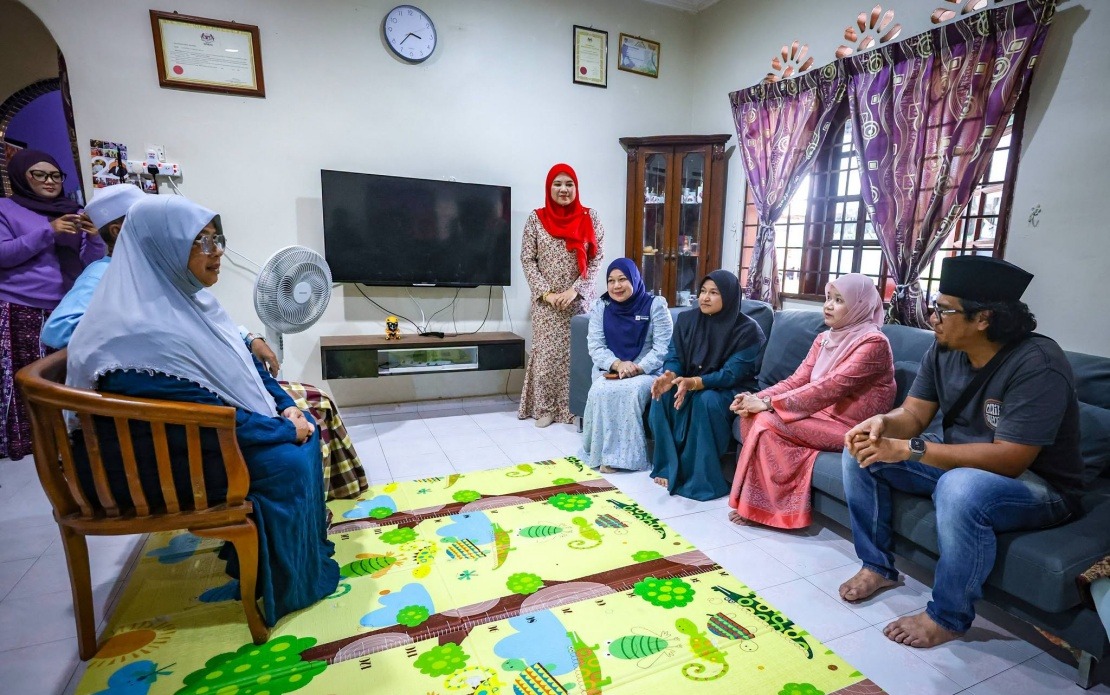
Education Minister Fadhlina Sidek made a compassionate visit to Melaka on June 26 to pay her respects to the grieving family of Muhammad Raiyan Nufael, a Form Two student whose sudden death shocked the school community. The teenager collapsed during a rugby training session at a school in Telok Mas on Wednesday evening and was pronounced dead shortly after, leaving his parents and peers grappling with an unexpected tragedy.
Through a Facebook announcement, Sidek conveyed the Ministry of Education's heartfelt condolences to the bereaved family. She invoked religious sentiments appropriate to the occasion, praying that the soul of the departed would find peace among the righteous and that the family would be granted the emotional fortitude to endure their devastating loss. Her presence at the family home underscored the ministry's commitment to supporting communities affected by such traumatic events and signalled that the tragedy was being treated with appropriate gravity by the highest levels of the education authority.
The circumstances surrounding the teenager's death raise troubling questions about supervision and preparedness during school sporting activities. According to available accounts, Muhammad Raiyan had participated in only approximately 15 minutes of rugby training when he began experiencing difficulty breathing. The symptoms emerged during a break in the session, as the young athlete was listening to instructions from the coaching staff. The rapid deterioration of his condition—from apparent health to life-threatening distress in such a short timeframe—suggests either an undiagnosed underlying medical condition or an environmental factor that proved catastrophically significant.
Round-the-clock monitoring and swift medical intervention are critical safeguards in school sports programmes, particularly in contact and physically demanding activities such as rugby. The incident has inevitably triggered widespread concern among Malaysian parents regarding the adequacy of safety protocols at their children's schools. Questions are likely to emerge about whether first-aid personnel were present at the training session, whether emergency response procedures were activated immediately, and whether the coaching staff had received training in recognising and responding to sudden medical emergencies among young athletes.
Heat-related illness, cardiac arrhythmias, asthma attacks, and anaphylaxis are among the potential causes of sudden collapse in adolescents during physical exertion. Malaysia's tropical climate compounds the risk of heat stress during outdoor training sessions, particularly when sessions are conducted without adequate hydration breaks or shading facilities. Schools throughout the region must prioritise comprehensive medical screening of athletes, maintain updated records of pre-existing health conditions, and ensure that coaching staff are equipped to recognise warning signs of medical distress.
The death of a young student invariably prompts institutional soul-searching within the education system. Sidek's ministerial-level response suggests that a thorough investigation into the circumstances surrounding Muhammad Raiyan's death will likely be undertaken. Such investigations typically examine coaching practices, training intensity levels, environmental conditions, medical preparedness, and adherence to established safety guidelines. The findings may inform revised protocols across Malaysian schools to prevent similar tragedies.
Parental confidence in school safety is fundamental to the functioning of the education system. When a student dies under circumstances that might have been preventable, anxiety ripples through school communities and extends across the broader parent population. Many families will be reviewing the safety measures at their own children's schools and demanding assurances from administrators. The Ministry of Education faces pressure to demonstrate that lessons from this incident will be applied systematically across all educational institutions.
Rugby, while an increasingly popular sport in Malaysian schools, carries inherent physical risks that demand meticulous management. Unlike mainstream sports such as badminton or netball, rugby involves full-contact collisions and the potential for serious injury. Proper conditioning, graduated training intensity, appropriate supervision ratios, and immediate medical support are non-negotiable components of a responsible rugby programme. Schools offering the sport must invest in comprehensive safety infrastructure rather than treating it as a casual recreational activity.
The broader question of pastoral duty in the school environment has come into sharp focus. Teachers and coaches occupy positions of trust and bear responsibility for the wellbeing of students under their supervision. While accidents and sudden health crises cannot always be prevented through diligence alone, they can often be mitigated through comprehensive preparation, proper training, and swift response. Muhammad Raiyan's death represents a failure of the protective systems that should surround young athletes, regardless of whether that failure was technical, procedural, or circumstantial.
As the education ministry grapples with this tragedy, the broader Malaysian society is reminded that student welfare must remain the paramount consideration in all school activities. Competitive goals, athletic achievement, and programme expansion cannot be permitted to eclipse the fundamental requirement to keep young people safe. The coming weeks and months will reveal whether this incident catalyses meaningful systemic change or simply passes into the troubling catalogue of preventable student deaths that plague educational systems worldwide.

