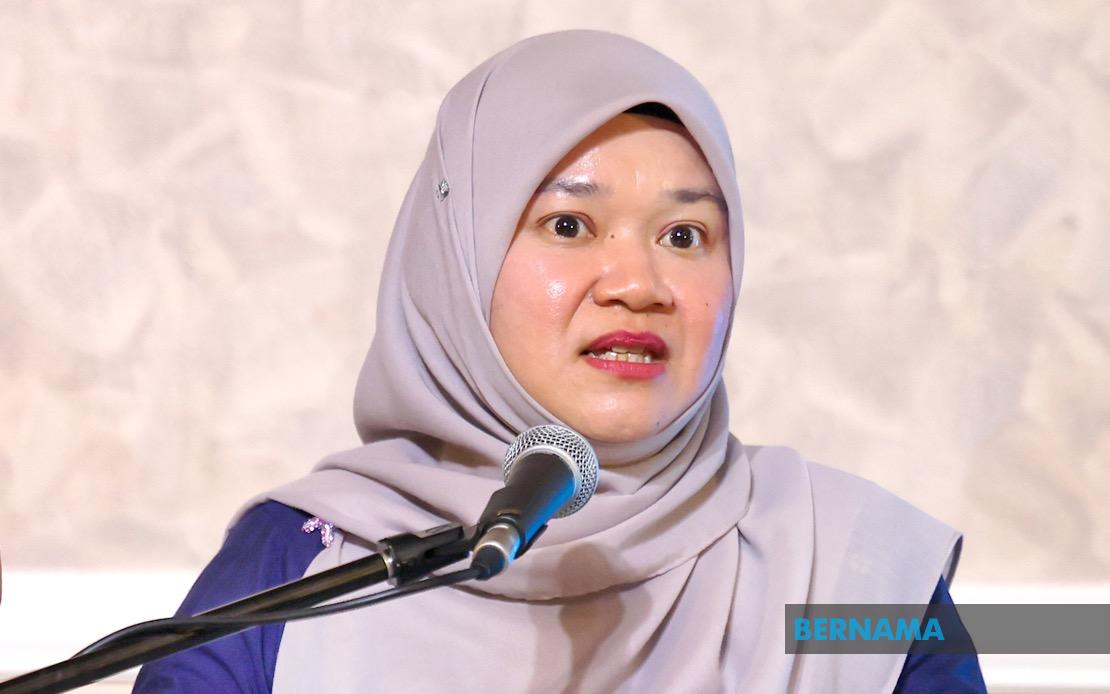
Education Minister Fadhlina Sidek, who heads the Parti Keadilan Rakyat (PKR) women's wing, has escalated her response to an artificial intelligence-generated video by filing a formal police report. The move comes as the controversial footage continues to spread across digital platforms, prompting authorities to investigate the creation and distribution of what Fadhlina describes as defamatory content designed to undermine her professional reputation and personal integrity.
In a statement released on June 24, Fadhlina characterised the video's circulation as a deliberate attack intended to damage her standing. She expressed particular concern about the use of advanced technology to fabricate allegations, highlighting a growing concern among public figures about deepfake content and synthetic media weaponised against political opponents. The Education Minister's decision to involve law enforcement signals the seriousness with which she regards the matter and suggests Malaysia's authorities are grappling with the enforcement challenges posed by AI-generated disinformation.
Fadhlina's complaint reflects broader anxieties within Malaysia's political landscape about the vulnerability of public officials to coordinated digital attacks. The deployment of AI technology to generate convincing but false video evidence represents a significant escalation from traditional forms of political mudslinging, as synthetic media can spread rapidly across social networks before verification mechanisms catch up. This particular incident demonstrates how emerging technologies are being weaponised within the country's competitive political environment.
The Education Minister's statement went beyond addressing her immediate predicament by situating the attack within a larger pattern of harassment directed at female politicians. She specifically called attention to what she characterised as systematic campaigns involving slander, character assassination, and sexual harassment disproportionately targeting women in positions of political authority. This framing acknowledges the gendered dimension of online abuse in Malaysian politics, where women representatives frequently face intensified scrutiny and more virulent personal attacks compared to their male counterparts.
Fadhlina's appeal for collective action against defamation and character assassination suggests she views this incident as symptomatic of deteriorating standards in political discourse. Her call for all stakeholders to adopt a principled stance on issues affecting female politicians indicates frustration with the permissive environment that currently enables such attacks. The statement implicitly challenges political rivals and civil society organisations to establish norms that distinguish vigorous policy debate from personal vilification.
The police investigation that Fadhlina has initiated will likely focus on identifying the video's creators and tracing its distribution networks. Law enforcement agencies face technical and jurisdictional complexities when investigating AI-generated content, particularly when the original source may be located overseas. Malaysia's existing defamation laws and provisions under the Communications and Multimedia Act may provide some recourse, though legislators and legal experts have increasingly recognised that current frameworks were drafted before deepfake technology became readily accessible to the general public.
This incident underscores the need for Malaysia to develop more sophisticated policy responses to synthetic media threats. While Fadhlina's police report represents an appropriate immediate response, the underlying challenge—how to maintain reasonable standards for public discourse while protecting free speech—requires sustained attention from lawmakers, tech companies, and civil society. The ease with which AI tools can now generate convincing video evidence creates opportunities for bad actors to manipulate public opinion on a scale previously requiring significant resources.
The timing of this incident, occurring amid Malaysia's fluid political environment, may also carry strategic implications. Attacks on prominent female politicians can serve multiple purposes simultaneously: damaging the target's reputation, intimidating other women considering public service, and testing the government's commitment to protecting officials from coordinated digital harassment. Fadhlina's prominent position within PKR—one of the coalition partners in the current administration—makes her a potentially high-value target for opponents seeking to create controversy or division within the ruling alliance.
The Education Minister's willingness to publicly name the attack and demand action represents an important precedent for how female politicians should respond to defamatory synthetic media. Rather than remaining silent or attempting to quietly address the matter, Fadhlina has chosen transparency, framing her complaint as part of a broader defence of women's participation in politics. This approach may embolden other female officials facing similar attacks to come forward rather than absorb abuse as an unfortunate cost of public service.
Looking forward, Fadhlina's case will likely influence how Malaysian authorities approach similar complaints involving AI-generated defamatory content. If the investigation produces prosecutions and convictions, it could establish important legal precedents regarding synthetic media manipulation. Conversely, if the case stalls due to technical difficulties or jurisdictional issues, it may highlight gaps in Malaysia's current legal framework for addressing this emerging threat to public discourse and individual rights.

