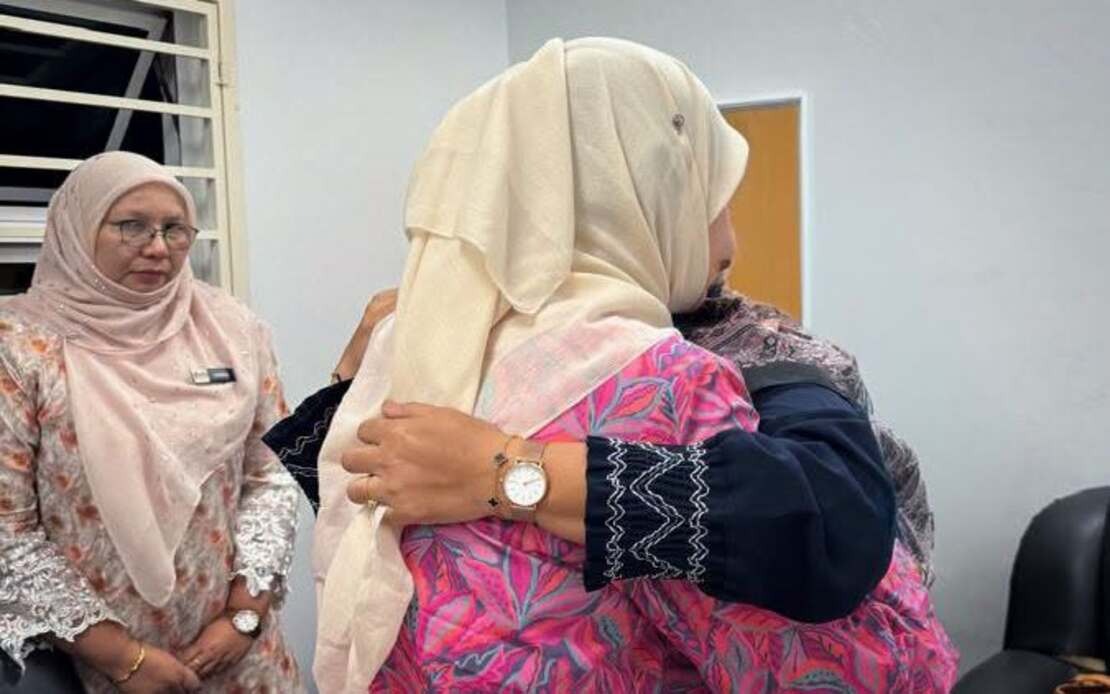
Education Minister Fadhlina Sidek has appealed for restraint and sensitivity as a 16-year-old female student's death at a Negeri Sembilan school is investigated by authorities. Speaking through a Facebook post, Fadhlina stressed the need for the public to afford the grieving family adequate space during this difficult period, emphasizing that their wellbeing and emotional stability must take precedence over other considerations.
The tragic incident, which occurred at the school in Seremban on June 19, has prompted both government and education authorities to mobilize support systems for those affected. Fadhlina extended her condolences through an Islamic prayer, expressing hope that the student's soul would be blessed by Allah SWT and granted entry into paradise. She also prayed for the family to receive fortitude and inner strength as they navigate the profound loss of a young family member.
The Education Ministry has moved swiftly to ensure comprehensive assistance reaches the family and anyone connected to the student who may be psychologically affected by the tragedy. Recognizing that sudden deaths within school environments can have ripple effects across the wider school community, ministry officials have positioned themselves to provide counselling and support services to students, teachers, and other staff members who may be experiencing distress or trauma.
Alongside Fadhlina, Education Director-General Datuk Dr Mohd Azam Ahmad visited the student's family at Rembau Hospital to deliver personal support and ensure that governmental resources are being mobilized effectively. This direct engagement by senior officials signals the seriousness with which the ministry is treating the matter and demonstrates a commitment to standing alongside the family during their moment of crisis. Such visits often serve to establish a direct channel of communication between government bodies and affected families, ensuring that any specific needs can be rapidly identified and addressed.
The police investigation into the circumstances surrounding the student's death is ongoing, and the Ministry of Education has committed itself to providing full cooperation with law enforcement authorities. This collaborative approach reflects standard protocol when incidents occur on school premises, as determining the exact cause and circumstances requires coordination between educational administrators and investigative agencies. The commitment to cooperation underscores the importance the ministry places on establishing a complete and accurate account of events.
For Malaysian schools and the education system more broadly, incidents of this nature raise critical questions about duty of care, preventative measures, and the support structures available to vulnerable young people. Schools serve as environments where students spend a significant portion of their waking hours, making the safety and wellbeing of pupils a paramount concern for administrators, teachers, and parents alike. The incident has inevitably prompted reflection within educational circles about protocols, monitoring systems, and the identification of students who may require additional pastoral or medical attention.
The timing of Fadhlina's public statement reflects an understanding of the media landscape and public curiosity that such incidents naturally generate. By explicitly calling for privacy and respect, the minister was likely attempting to prevent sensationalism or intrusive coverage that could compound the family's trauma. In an era of social media and rapid information dissemination, such appeals from public figures carry particular weight in establishing appropriate norms for how communities should respond to tragedies affecting young people.
The broader context of student welfare in Malaysia has evolved significantly over recent years, with increased emphasis placed on mental health support, counselling services, and the identification of at-risk individuals. School-based counsellors, medical personnel, and administrative staff are increasingly trained to recognize signs of distress or crisis in students. The death of a 16-year-old raises questions about whether existing support infrastructure was adequate and whether any warning signs may have been overlooked, though such determinations can only emerge following thorough investigation.
For parents and families with children in Malaysian schools, incidents of this nature inevitably prompt concerns about safety and the adequacy of care provided within educational institutions. Schools are expected to maintain rigorous duty-of-care standards, implement safety protocols, and ensure that appropriate medical and psychological resources are available should emergencies arise. The investigation now underway will likely contribute to broader understanding of how schools can strengthen their response mechanisms and preventative measures.
The mobilization of government support, combined with the commitment to police investigation and the emphasis on family privacy, represents a multi-layered response designed to address immediate humanitarian needs while simultaneously ensuring accountability and learning for the future. How the education system processes this tragic event—the lessons learned, changes implemented, and support structures enhanced—will have implications for school safety practices throughout Malaysia and may influence how similar situations are managed in the future.

