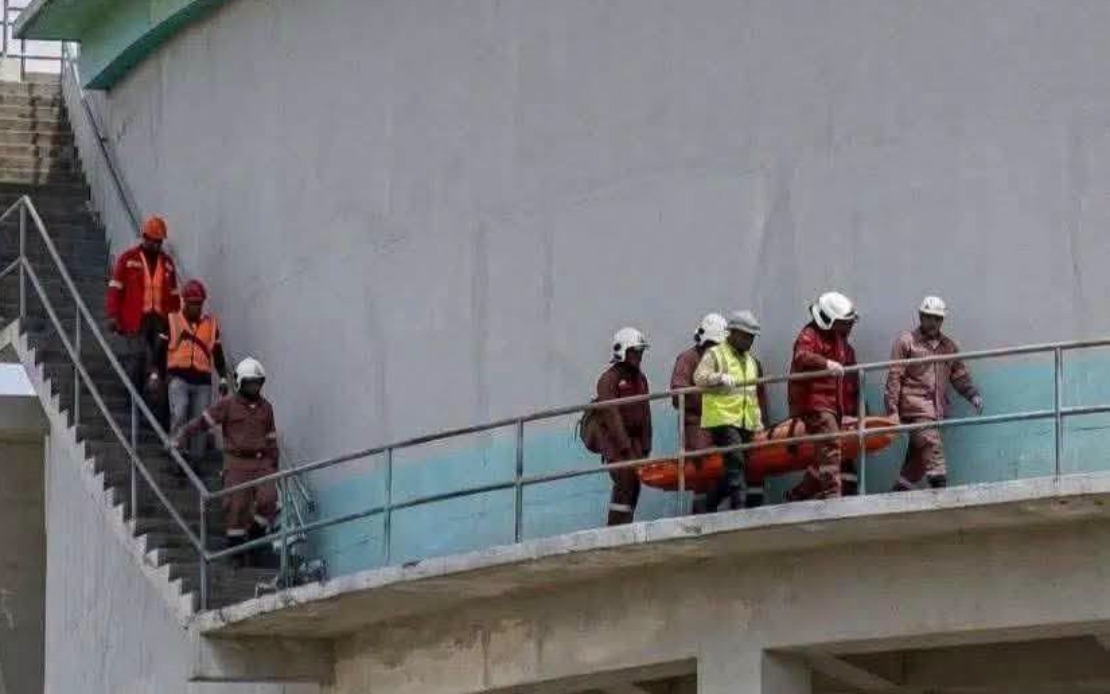
The Department of Occupational Safety and Health (DOSH) has launched a formal investigation into a workplace fatality that claimed the life of an industrial trainee during water tank cleaning operations at Menara Saujana Perdana 1 in Sungai Buloh, Selangor, on June 16. The incident marks another serious casualty in Malaysia's occupational safety landscape, prompting renewed scrutiny of how employers manage high-risk confined space work.
According to DOSH director-general Hazlina Yon, teams from the Selangor district office have already conducted site inspections and implemented protective measures to preserve evidence. Authorities have issued a prohibition notice preventing unauthorised access or disturbance to the accident location, a standard procedural step that ensures the integrity of the investigation and allows forensic examination to proceed without interference.
The investigation is proceeding under Sections 15, 17 and 18 of the Occupational Safety and Health Act 1994, provisions that establish the legal obligations of employers, self-employed persons, and other responsible parties to safeguard worker wellbeing and protect anyone who might be affected by workplace activities. Investigators are currently collecting statements from witnesses and gathering evidence to determine the precise sequence of events and identify any breaches of safety protocol that contributed to the tragedy.
Hazlina emphasised that confined space work represents one of the highest-risk categories of industrial activity, yet continues to be a source of preventable fatalities across the region. Confined space hazards are often underestimated because workers may not fully appreciate the dangers posed by oxygen depletion, toxic gas accumulation, or structural instability until it is too late. Malaysia has witnessed recurring incidents in water tank cleaning, sewerage maintenance, and similar operations where workers have succumbed without warning.
The authority's statement underscores that employers must implement mandatory safety protocols before any worker enters a confined space, including obtaining appropriate work permits from competent supervisors and establishing comprehensive control measures tailored to the specific hazards of each site. These controls might encompass atmospheric testing, ventilation systems, rescue equipment, communication protocols, and the presence of trained spotters outside the confined area.
A particularly concerning aspect highlighted by DOSH is the involvement of an industrial trainee, a category of worker who may lack experience in recognising hazards or understanding the rationale behind safety procedures. Hazlina stressed that employers bear responsibility for ensuring that trainees and newly hired workers engaged in high-risk activities receive thorough occupational safety and health training, comprehensive briefings on the specific risks of their assignment, and close supervision by competent personnel throughout the task.
The regulatory framework makes clear that risk assessment is not optional but mandatory. Employers must systematically identify and evaluate hazards associated with every work activity before operations commence, with particular rigour applied to high-risk tasks. This assessment should inform the selection and implementation of control measures, which are then communicated to workers and monitored for compliance.
For Malaysian employers and contractors, the message is unambiguous: safety and health must be treated as core operational requirements rather than bureaucratic formalities. The incident at Sungai Buloh serves as a sobering reminder that no deadline, budget constraint, or operational pressure justifies cutting corners on confined space safety. Workers, including vendors and contractors engaged through labour supply arrangements, deserve the same level of protection regardless of their employment classification.
The investigation's findings will likely be scrutinised by industry bodies, workers' unions, and other employers managing similar operations. Previous incidents in Malaysia have occasionally revealed systemic failures in safety culture, inadequate training programmes, or failure to enforce work permit systems. The results may trigger updated guidance from DOSH and recommendations for how water tank cleaning and similar services should be contracted and supervised.
This case also illustrates the importance of worker representation and voice in safety matters. Trainees and junior staff must feel empowered to raise concerns about unsafe conditions without fear of retaliation, and employers must create cultures where stopping unsafe work is not only permitted but encouraged. The absence of such protections can create pressure to proceed with tasks despite visible safety deficiencies.
For the broader Southeast Asian context, Malaysia's approach to investigating such incidents through DOSH provides a model for other nations seeking to strengthen occupational safety frameworks. The emphasis on systematic investigation, employer accountability, and preventive measures reflects international best practices while remaining grounded in local legal structures.
As the investigation progresses, DOSH will likely issue enforcement action if violations are substantiated, potentially including administrative penalties, improvement notices, or prosecution depending on the severity and intent of any breaches. Beyond the legal consequences, the incident underscores the human cost of workplace negligence—a life lost and families bereaved that no regulatory fine can remedy.

