Universiti Teknologi MARA's Kelantan campus is making a concerted push to convince underprivileged students not to decline university places, with officials highlighting an expanding network of financial and welfare support mechanisms designed to make tertiary education affordable. The message comes as competition for places at Malaysia's public universities intensifies, making it increasingly critical that eligible students seize admission opportunities rather than turning them away due to financial concerns.
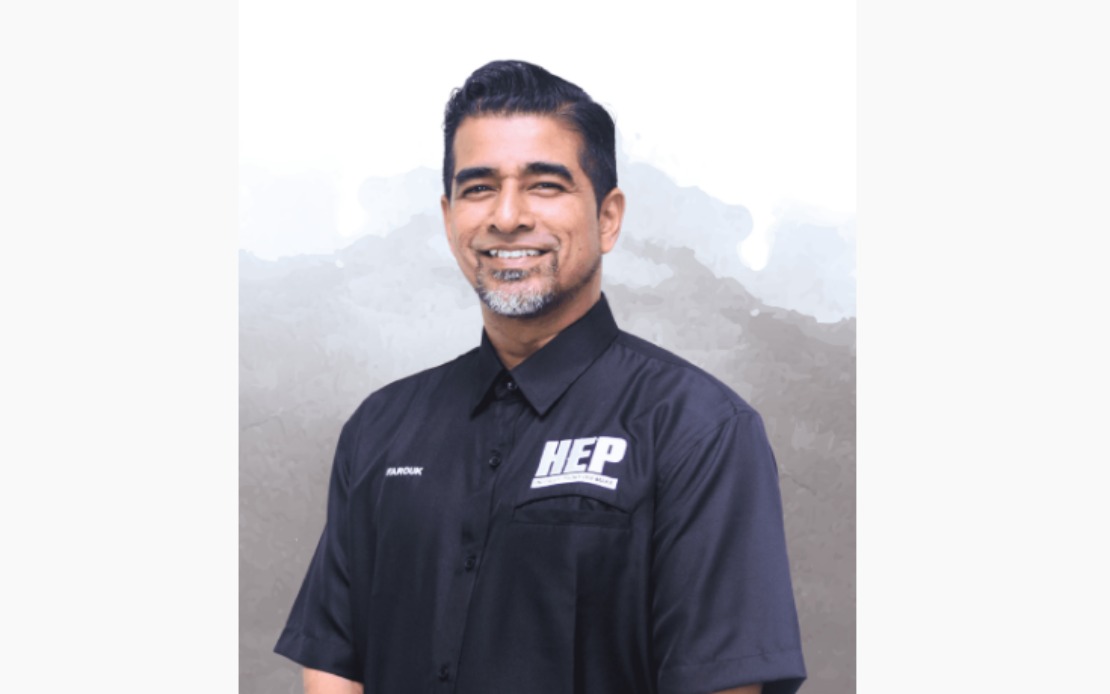
Meer Zhar Farouk Amir Razli, Deputy Rector for Student Affairs at UiTM Kelantan, emphasised that students need not fear crippling debt or hardship if they enrol, as assistance options stretch far beyond the commonly-known PTPTN loan scheme that has become synonymous with financing higher education. The university provides zakat assistance specifically allocated for Muslim students in need, operates dedicated welfare funds channelled toward the most vulnerable learners, and administers campus-based facilities through the Dapur MADANI programme. This multi-layered approach reflects a recognition that financial barriers remain a significant obstacle preventing capable students from lower-income households from accessing degree-level education, despite the theoretical availability of loans.
The Dapur MADANI initiative merits particular attention as it addresses a frequently-overlooked dimension of student hardship: day-to-day living expenses. Residential college students struggle not merely with tuition fees but with affording meals, transport, study materials, and basic necessities throughout their academic journey. By embedding support within campus facilities, the initiative reduces the logistical complexity of accessing help and ensures students can focus on their studies rather than scrambling to cover immediate needs. This targeted approach acknowledges that poverty creates multiple pressure points, and addressing only one—such as enrolment fees—leaves students vulnerable to withdrawal if other expenses become unmanageable.
Meer Zhar stressed the importance of families and prospective students conducting thorough research into available assistance schemes before rejecting offers. This advice carries particular weight given that many disadvantaged families lack exposure to tertiary education and may be unaware of the full suite of support available to them. The information asymmetry between wealthy and poor students—whereby affluent families often have greater familiarity with university systems and financial mechanisms—risks widening educational inequality if underprivileged applicants dismiss opportunities based on incomplete knowledge. Proactive counselling and outreach therefore becomes an equity issue, ensuring that financial capacity rather than knowledge gaps determines access.
The Rector's Cakna Programme, which launched recently through collaboration with local non-governmental organisations, represents an institutional commitment to addressing this information gap while providing direct assistance. By pairing university support with grassroots NGOs operating within Kelantan communities, UiTM Kelantan extends its reach beyond campus boundaries and builds relationships with families unlikely to spontaneously contact the university for help. The programme exemplifies how public institutions can deploy their resources to identify and support hidden talent within disadvantaged populations, converting potential dropouts into degree holders who would otherwise contribute underutilised skills to the labour market.
The real-world impact of such initiatives becomes evident through individual stories like that of Norzarra Dhania Amir Abdullah, a nineteen-year-old who initially declined an UiTM Sarawak place the previous year because her family's finances simply could not accommodate relocation away from Kelantan. As the eldest of seven siblings depending on their mother's income as a restaurant assistant—a precarious livelihood since their father developed diabetes four years earlier—Norzarra Dhania faced an impossible choice between personal aspiration and family necessity. The gap between receiving an offer and being able to afford to accept it represents a silent tragedy in Malaysia's education system, where thousands of qualified students annually forgo opportunities due to practical financial constraints rather than academic inadequacy.
Norzarra Dhania's acceptance of a subsequent offer to study Diploma in Management at UiTM Kelantan illustrates how geographical proximity and reduced living costs can transform the equation for vulnerable students. By studying near her family in Kota Bharu rather than in distant Sarawak, she avoids expensive accommodation, transportation, and relocation expenses while remaining positioned to contribute earnings or labour to her household if circumstances demand it. Her situation also underscores how institutional choice matters profoundly for equity: had UiTM Kelantan not existed or had it failed to provide adequate financial support, Norzarra Dhania's potential would have been lost to the university system entirely, representing a loss not merely for her personally but for the nation's human capital development.
The laptop provided to Norzarra Dhania through the Rector's Cakna Programme symbolises the tangible nature of this support while addressing a contemporary educational necessity. Digital access has become non-negotiable for tertiary students, with online learning, research databases, assignment submissions, and course platforms all dependent on device access. For students from households without disposable income for technology, institutional provision of such tools removes a critical barrier to academic participation. The decision to support her specifically before the September semester begins demonstrates foresight, ensuring she enters university on relatively equal footing with peers from wealthier backgrounds rather than beginning classes already disadvantaged by incomplete preparation.
Beyond individual support, UiTM Kelantan's messaging campaign addresses a systemic concern: the tendency for disadvantaged students to self-select out of opportunities, effectively voluntarily removing themselves from competition for places they legitimately earned through academic achievement. This psychological and informational dimension of inequality often receives less attention than cost-based barriers, yet it proves equally consequential. When students from poor backgrounds internalise limiting assumptions about their ability to afford university, they abandon prospects without even investigating whether support exists. By explicitly countering this narrative and demonstrating concrete assistance, UiTM Kelantan attempts to reframe university as an accessible aspiration rather than a luxury reserved for the affluent.
The broader context of intensifying competition for public university places amplifies the stakes of this outreach. Malaysia's expanding cohort of secondary school graduates confronts a relatively constrained supply of tertiary spaces, particularly at leading institutions. This scarcity elevates the opportunity cost of rejection: a place offered today may not materialise again if the student reapplies after working for several years or improving qualifications. Early exposure to career development and degree-level networks compounds over time, meaning delayed entry into university extends beyond mere postponement and becomes educational disadvantage. Students who decline places and subsequently re-enter the labour market face significant re-entry friction if they eventually attempt to return to studies years later.
The emphasis on zakat assistance specifically recognises Islamic principles embedded within Malaysian social policy and university frameworks. Beyond its practical funding dimension, zakat engagement legitimises financial support within cultural and religious contexts, potentially reducing stigma that some disadvantaged Muslim students might associate with welfare programmes. By framing assistance as alignment with Islamic obligations rather than charity or governmental handout, UiTM Kelantan attempts to preserve student dignity while providing material support. This culturally-grounded approach to financial aid design may prove more effective at generating uptake than generic welfare schemes lacking such contextual embeddedness.
For Malaysian readers, this initiative carries implications extending beyond Kelantan or UiTM specifically. It signals a growing recognition within public universities that access and equity require proactive, multi-faceted intervention rather than passive availability of loans. As the nation pursues targets for tertiary education participation and workforce upskilling, the ability to convert qualified applicants from disadvantaged backgrounds into graduates becomes strategically important. Universities that successfully support such students gain competitive advantage in talent development while contributing to social mobility. The model UiTM Kelantan demonstrates—combining financial assistance, campus-based support, community partnerships, and direct outreach—offers a replicable framework for other institutions seeking to fulfil equity mandates.