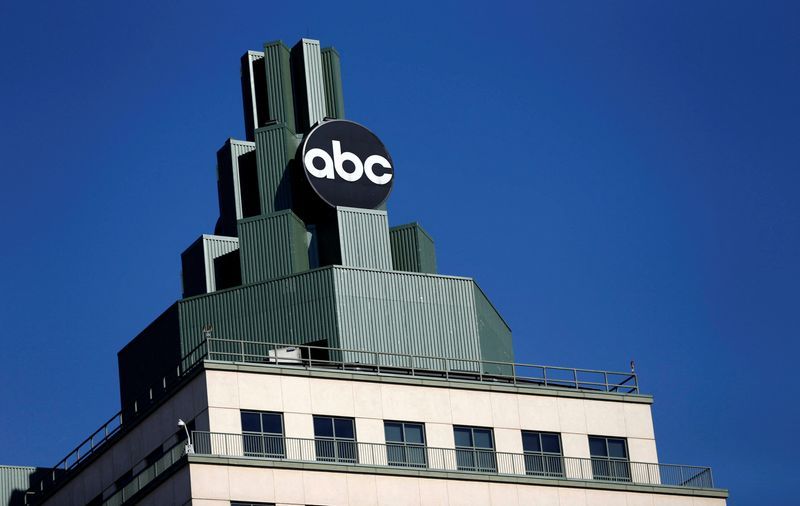
Disney and its television network ABC have initiated legal action against the Federal Communications Commission in Washington, seeking to halt an accelerated examination of operating licenses for eight ABC broadcast stations. The entertainment conglomerate contends that the FCC's sudden move represents a calculated effort by the Trump administration to suppress the network's editorial freedom and programming autonomy, characterised in court filings as an "extraordinary assault on free speech."
The dispute emerges from a broader pattern of tension between the Trump administration and media organisations whose coverage or entertainment programming the president has deemed unfavourable. Over the past two years, Trump has repeatedly demanded that broadcasters cease airing comedy shows and news segments critical of his policies or public statements, while simultaneously pressuring the FCC to take action against ABC's operating licenses. The timing of these demands has coincided with specific programming decisions, including ABC's refusal to broadcast a presidential speech on election matters, which prompted another call for license revocation last month.
In its legal filing submitted to U.S. District Court, Disney argues that the FCC is wielding its regulatory authority as a tool for retaliation rather than legitimate oversight. The company emphasises that the agency's actions directly target the network for programming and editorial choices that displease the administration, thereby violating fundamental First Amendment protections. Disney and ABC have requested the court issue an immediate temporary restraining order to prevent any scheduling of formal license renewal hearings while the legal challenge proceeds.
The urgency of Disney's petition reflects the administrative timeline now in motion. Although ABC's license renewals were not scheduled for consideration until October 2028, FCC Chair Brendan Carr ordered expedited reviews in April, marking the first instance of such early examinations in more than five decades. This acceleration means the FCC could theoretically move forward with formal proceedings at any moment, particularly following the conclusion of the public comment period earlier this month.
The FCC has publicly justified its actions by citing a year-long investigation into whether Disney's diversity policies constitute unlawful employment discrimination—an allegation the corporation categorically rejects. However, the timing and context of this investigation have reinforced the appearance of political motivation. Carr has characterised the reviews as necessary to enforce the broadcaster's obligation to serve the public interest, suggesting decades of lax FCC oversight in this domain. During a recent interview, Carr stated that Disney appears apprehensive about investigative findings, though he declined to outline any predetermined conclusions regarding license revocation.
Democratic FCC Commissioner Anna Gomez has publicly characterised the agency's conduct as "a campaign of censorship and control," asserting that threat of license revocation is being leveraged to punish a private company for protected speech. This internal disagreement within the FCC underscores the politicised nature of the dispute. The regulatory dynamics here are particularly fraught because broadcast licenses confer substantial value and influence; while actual revocations remain extraordinarily rare in FCC history, the mere threat of such action can exert chilling effects on editorial decision-making and programming choices.
The regulatory pressure extends beyond ABC's evening news and entertainment broadcasts. The FCC is simultaneously investigating ABC's daytime talk programme "The View," which regularly addresses American politics, raising questions about whether the show complies with federal rules mandating equal opportunity access for political candidates. Disney has noted that since February, the programme has ceased inviting political candidates to appear on air, an editorial shift the company attributes directly to the FCC's investigation and implicit pressure.
For Southeast Asian and Malaysian observers, this confrontation illuminates broader questions about media regulation, political independence, and the vulnerability of private broadcasters operating under government licensing frameworks. In democracies where broadcasting licenses remain state-granted privileges, the potential for regulatory capture and political weaponisation of licensing authority constitutes a persistent structural risk. The case demonstrates how even wealthy media corporations with substantial legal resources face asymmetric pressure when the regulatory apparatus is aligned against them.
U.S. District Judge Loren AliKhan has directed both parties to propose a schedule for considering Disney's restraining order request and instructed the FCC to immediately notify the court if it initiates formal license revocation proceedings. This judicial intervention introduces an independent check, though the ultimate resolution remains uncertain. The White House declined immediate comment, maintaining strategic silence while the administration's regulatory agency prosecutes its case.
The stakes extend beyond corporate interests or individual programmes. This litigation will serve as a significant test of First Amendment protections for media outlets in the broadcasting context, particularly whether regulatory agencies may employ licensing authority to coerce editorial compliance or punish content decisions. Should courts permit the FCC to proceed with investigations motivated by political considerations rather than neutral application of regulatory standards, the precedent could fundamentally alter the relationship between government and broadcast media. Conversely, if courts intervene to protect editorial independence, the decision would reinforce constitutional boundaries limiting executive branch influence over media content through regulatory mechanisms.
The broader trajectory of this dispute reflects ongoing American debates about the proper balance between regulatory authority and press freedom. Trump's previous calls for license revocation have followed specific programmes or journalistic decisions—a late-night host's comedy monologues, a correspondent's questioning of foreign leaders, general news coverage deemed insufficiently favourable. These particularised demands distinguish the present situation from generic regulatory enforcement and suggest the underlying motivation differs from traditional public-interest broadcasting obligations. The case will ultimately determine whether broadcast licensing can constitutionally function as a mechanism for political discipline or whether First Amendment protections create inviolable boundaries against such regulatory retaliation.

