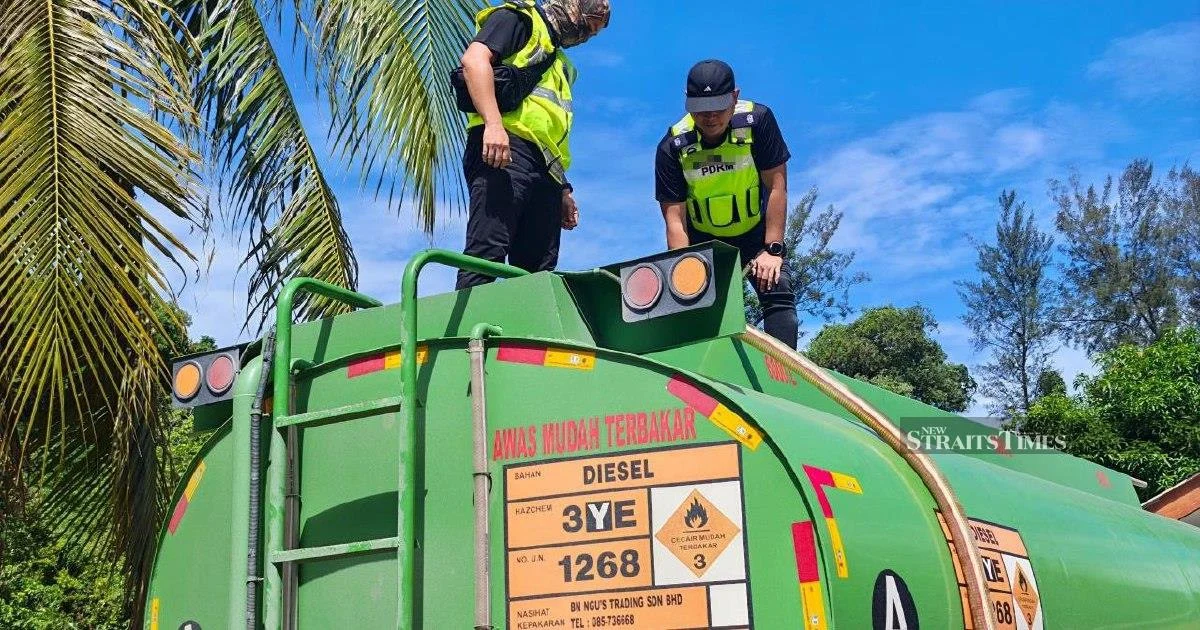
Authorities in Miri have successfully dismantled an organised diesel diversion operation that was siphoning heavily subsidised fuel intended for domestic consumption into black market channels. The raid on a residential bungalow in Tanjung Lobang resulted in the seizure of 15,000 litres of fuel and the arrest of four men suspected of orchestrating the illegal trade. The operation's discovery represents a significant blow to an illicit supply chain that has been draining government fuel subsidies whilst undermining legitimate retailers throughout Sarawak.
The clandestine depot had been operating from a private bungalow rather than a commercial location, a tactic commonly employed by smuggling networks seeking to evade detection by enforcement agencies. This residential concealment strategy reflects the sophisticated methods increasingly adopted by fuel diversion syndicates, who recognise that inspectors tend to focus surveillance on industrial areas and petrol station forecourts. By disguising their operation as an ordinary household, the syndicate was able to maintain a lower profile whilst establishing a substantial supply and distribution network.
The seizure of 15,000 litres underscores the scale of the diversion problem in the region. At current subsidised rates, this volume represents several hundred thousand ringgit in government support that was being illegally diverted. The fuel likely would have been resold through informal networks at prices above the government rate but below market rates, capturing the arbitrage margin whilst undercutting legitimate retailers. This practice destabilises the fuel market and erodes the purchasing power of subsidies intended to benefit ordinary Malaysian consumers.
Fuel subsidy diversion has become an entrenched challenge for Malaysian enforcement agencies, particularly in Sarawak where geographical factors complicate monitoring and where cross-border issues create additional opportunities for smuggling. The removal of subsidised diesel in recent years has reduced incentives for large-scale diversion, yet underground operations continue to flourish by targeting remaining price differentials. Each successful raid demonstrates both the existence of coordinated criminal networks and the vulnerability of distribution infrastructure to organised exploitation.
The arrest of four individuals provides law enforcement with potential leads into a larger network. Interrogations of the suspects are likely to yield intelligence about supplier connections, distribution routes, and downstream buyers. These investigations often reveal layered conspiracies involving multiple roles, from those physically managing the depot through to those facilitating transportation and those handling sales at the street level. Understanding these networks is crucial for developing targeted enforcement strategies that disrupt operations rather than merely addressing symptoms.
Miri and the broader Sarawak region have faced recurring challenges with fuel smuggling and subsidy diversion. The state's geography, with its proximity to Indonesian waters and extensive river systems, creates natural smuggling corridors. Additionally, the dispersed nature of inland communities means that many consumers have limited access to official fuel retailers, creating demand for informal supplies and black market distributors. This structural vulnerability requires sustained, coordinated enforcement efforts that address both supply and demand dimensions.
The economic impact of fuel diversion extends beyond immediate revenue losses. Legitimate retailers operating on thin margins find themselves undercut by smugglers who avoid taxes, licensing fees, and regulatory compliance costs. This distorts competition and can render formal retail operations uneconomical, further concentrating fuel sales into illegal channels. Communities that rely on legitimate retailers for employment and service provision suffer cascading consequences as businesses struggle or close.
Government agencies have intensified focus on fuel diversion in recent years, recognising its role in broader subsidy loss and its connection to organised crime networks that diversify into other contraband. The interception at Tanjung Lobang illustrates the effectiveness of intelligence-led operations that target suspected depot locations rather than relying solely on checkpoint interdiction. However, enforcement success remains inconsistent, suggesting that intelligence capabilities, resources, and inter-agency coordination require continuous strengthening.
The four detainees now face investigation under relevant laws pertaining to fuel subsidy fraud and contraband smuggling. Potential charges carry penalties ranging from fines to imprisonment depending on jurisdictional statutes and the degree of individual culpability established during investigation. Prosecution outcomes will influence deterrent effects within criminal networks considering similar ventures. Successful prosecutions with substantial sentences serve as significant deterrents, whilst lenient outcomes may encourage further illegal activity.
Looking forward, the challenge for Sarawak authorities involves preventing the rapid reconstitution of dismantled operations. Criminal networks typically respond to enforcement pressure by relocating, restructuring, and adapting their methods. Intelligence units must therefore maintain sustained pressure, develop informant networks, and continue exploiting investigation leads emerging from this seizure. Collaboration with federal enforcement bodies and cross-border cooperation with Indonesian authorities can strengthen efforts to disrupt international smuggling dimensions that often underlie domestic diversion operations.