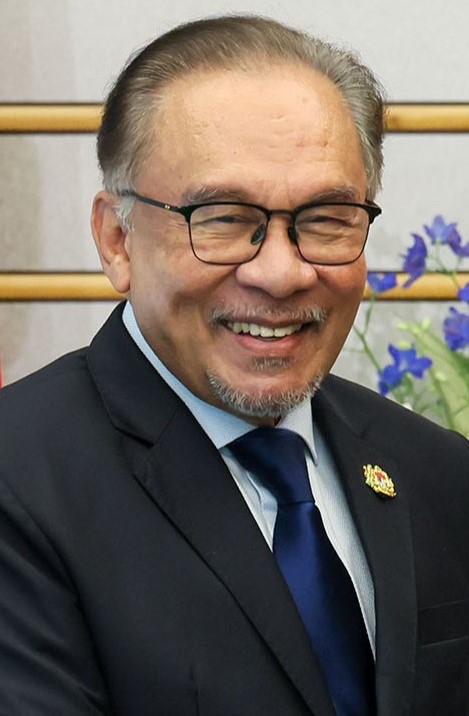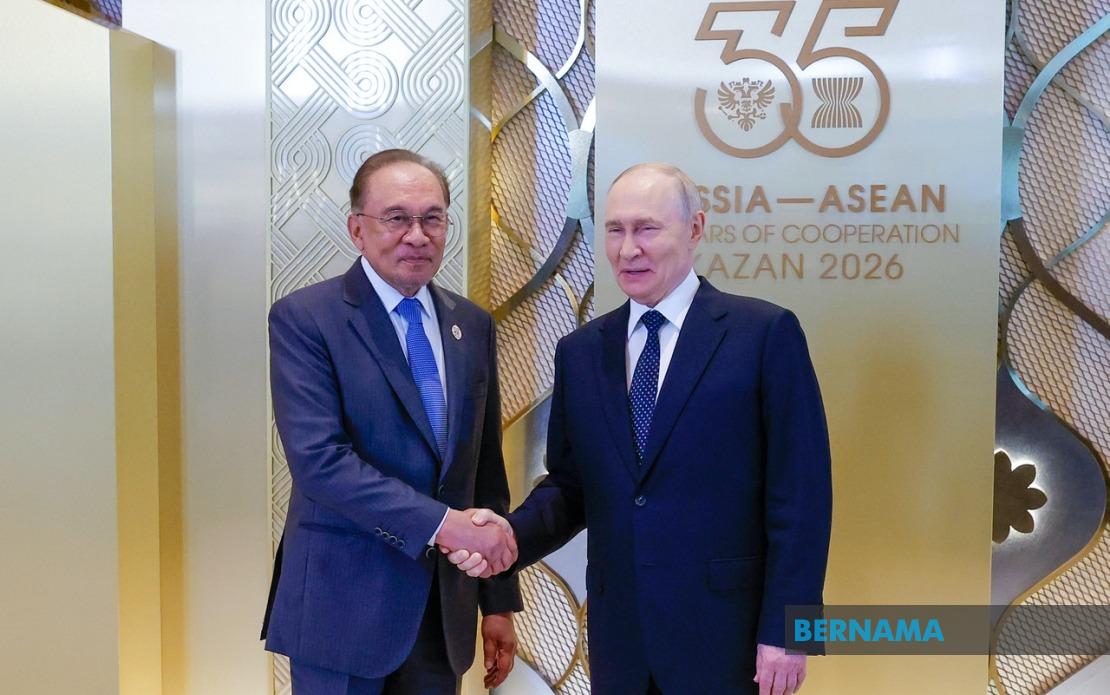
Prime Minister Datuk Seri Anwar Ibrahim has highlighted the critical role that structured engagement platforms play in building stronger relationships between nations, particularly as the region grapples with persistent geopolitical and economic uncertainties. Speaking in Kazan on June 18 following the ASEAN-Russia Commemorative Summit, Anwar stressed that forums such as this gathering and bilateral diplomatic channels serve essential functions in deepening mutual comprehension and establishing the foundations for sustained cooperation.
The Malaysian leader's remarks come at a time when regional stability in Southeast Asia and Russia's position within the broader Asian framework remain subjects of considerable diplomatic attention. By positioning engagement summits as vital mechanisms for understanding, Anwar articulated a view that prioritizes dialogue over isolation—a stance that reflects Malaysia's traditional commitment to constructive bilateral and multilateral relations. The emphasis on platforms for exchange suggests that substantive discussion among national leaders can bridge differences and unlock opportunities that serve collective interests.
During the gala dinner hosted by President Vladimir Putin, Anwar noted that such high-level gatherings afford participants the opportunity to cultivate closer working relationships whilst exchanging perspectives on issues of mutual concern. These occasions transcend the formalities of state visits; they create informal settings where leaders can assess one another's positions directly and explore areas where cooperation might flourish. For Malaysia, which maintains independent foreign policy positions whilst engaging pragmatically across multiple regional powers, such summits represent invaluable occasions to strengthen partnerships without compromising sovereignty.
Anwar, who concurrently holds the portfolio of Finance Minister, emphasized that the ASEAN-Russia Commemorative Summit served a dual purpose—celebrating Russia's historical and cultural contributions whilst simultaneously functioning as a venue for substantive dialogue. This framing is significant for Malaysian audiences and the broader Southeast Asian context, as it suggests that diplomatic engagement need not be confined to narrow transactional interests but can encompass genuine appreciation for different civilizational perspectives. The recognition of Russia's heritage and contributions creates a more holistic basis for cooperation than purely economic or security-focused arrangements.
The Prime Minister's presence at the summit, which took place from June 17 to 18 in Kazan, the capital of Tatarstan, underscores Malaysia's commitment to maintaining balanced relationships across the global landscape. Kazan's selection as the venue carries symbolic weight—a major city in Russia's Asian regions—signaling that ASEAN-Russia engagement is not confined to Moscow-centric diplomacy but encompasses the broader Russian federation. For Malaysia, this geography matters; it demonstrates that engagement extends into Russia's interior and reflects recognition of Russia's position as both a European and Asian power.
The mutual benefits that Anwar referenced warrant deeper consideration for Malaysian stakeholders. Enhanced ASEAN-Russia relations can potentially expand economic opportunities, particularly in energy cooperation, technology transfer, and trade diversification. For Malaysia, which seeks to reduce its dependence on traditional Western markets whilst avoiding excessive reliance on any single partner, Russia represents an important counterweight and source of strategic options. The cultivation of trust through platforms like this summit creates an environment where Malaysian interests—whether in energy security, defense cooperation, or economic partnership—can be advanced more effectively.
Trust-building mechanisms prove especially valuable in a geopolitical environment characterized by competing strategic narratives and regional tensions. By engaging Russia through established forums rather than confrontation or isolation, ASEAN demonstrates commitment to inclusive multilateralism. For Malaysia, this approach aligns with longstanding principles articulated through various foreign policy documents and statements emphasizing dialogue over conflict. The summit provides evidence that Southeast Asian nations continue to chart independent courses, refusing to be drawn into zero-sum calculations that would require choosing between global powers.
The exploration of cooperation areas that Anwar mentioned encompasses sectors critical to Southeast Asian development. Infrastructure investment, technology cooperation, educational exchanges, and security partnerships all fall within the potential scope of enhanced ASEAN-Russia engagement. Malaysia, with its position as a middle-income nation with aspirations toward high-income status, can benefit from diversified partnerships that bring capital, expertise, and market access. Russia's historical relationships with Southeast Asian nations, built during Cold War and post-Cold War decades, provide foundations upon which contemporary cooperation can be constructed.
Anwar's characterization of these engagement platforms as responses to global challenges and uncertainties reflects a pragmatic understanding of contemporary geopolitics. Rather than retreating into regional blocs or seeking hegemonic protection, Malaysia and ASEAN more broadly are choosing to maintain multiple partnerships and keep diplomatic channels open. This strategy requires consistent investment in summits, bilateral meetings, and sustained dialogue—activities that may appear ceremonial but carry substantial strategic significance for smaller and medium-sized powers.
The Finance Minister's dual role adds another dimension to Malaysia's participation in such summits. Economic cooperation with Russia—whether through trade agreements, investment frameworks, or currency arrangements—falls increasingly within Malaysia's financial agenda. The summit provided occasions to discuss potential financial partnerships, particularly as Malaysia seeks to develop alternative mechanisms for commerce that might reduce exposure to external economic pressures or sanctions regimes affecting third countries.
For Malaysian observers, Anwar's statements underline that regional leadership requires active participation in multilateral processes rather than passive observation. Malaysia's presence at the ASEAN-Russia Commemorative Summit, combined with Anwar's public emphasis on dialogue's value, signals that the country views engagement as an active instrument of foreign policy. This approach has yielded dividends historically and continues to provide Malaysia with diplomatic flexibility that more isolated nations lack.
Looking forward, the success of such engagement platforms depends on whether they translate into concrete outcomes. Follow-up mechanisms, working groups focused on specific sectors, and sustained high-level contact will determine whether the goodwill generated at summits translates into substantive cooperation. For Malaysia and ASEAN, this represents an ongoing commitment—one that requires consistent diplomatic effort and political will from both regional and global partners.