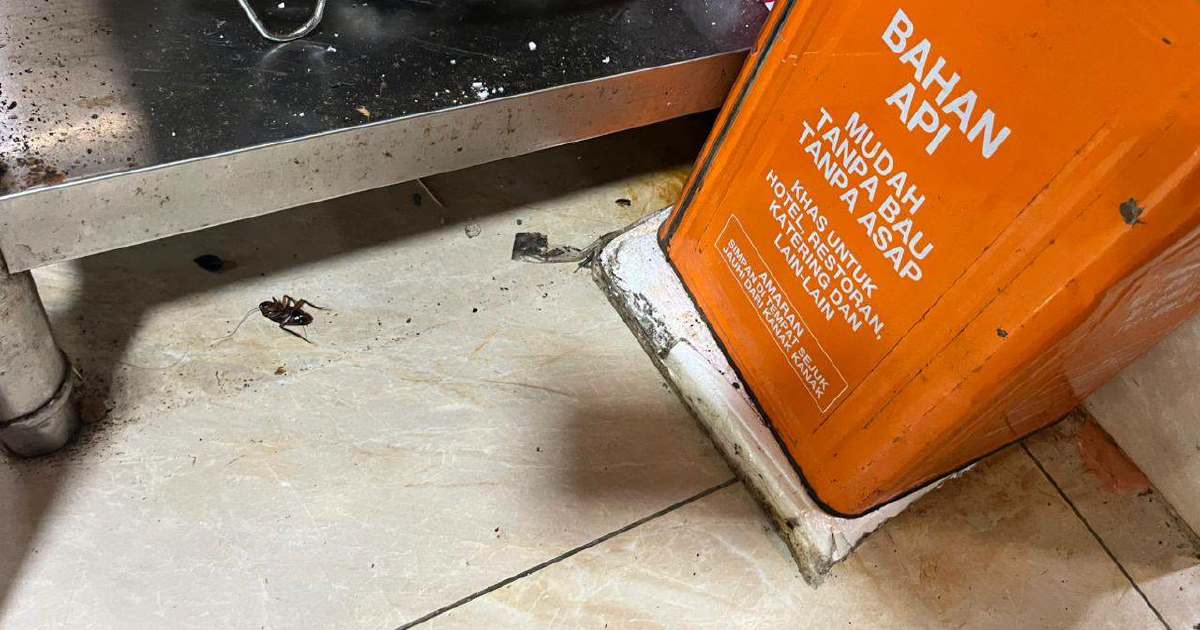
Kuala Lumpur City Hall (DBKL) has intensified its crackdown on food safety standards, closing six restaurants and issuing 74 notices and compounds during a special enforcement sweep of Jalan Alor in the Bukit Bintang district. The operation, conducted yesterday, represents a significant effort to address persistent hygiene concerns affecting one of the city's most popular eating destinations, which draws locals and tourists alike with its legendary late-night hawker scene.
The closure of six premises reflects the severity of violations discovered during the inspection. Health and sanitation breaches at food establishments present direct risks to public health, and enforcement actions of this scale signal DBKL's determination to maintain standards across the city's diverse culinary landscape. Jalan Alor, located in the heart of Bukit Bintang's entertainment district, has long been a gathering point for food enthusiasts, yet it has also faced recurring complaints about operational standards and hygiene practices that can vary significantly between establishments.
The 74 notices and compounds issued during the operation indicate widespread compliance issues across the surveyed premises. Such notices typically cover violations ranging from pest infestations to improper storage of food items, inadequate kitchen facilities, and failure to maintain proper temperature controls for perishable goods. The prevalence of infringements suggests that while Jalan Alor maintains its reputation as a culinary hub, many operators may lack sufficient awareness of regulatory requirements or the resources to implement necessary improvements.
Cockroach and rodent infestations emerged as particularly acute problems identified during the sweep. These pest-related violations carry serious implications for food safety, as vermin can contaminate ingredients and prepared dishes, potentially causing foodborne illnesses ranging from minor gastrointestinal upset to severe infections. The presence of such infestations points to deficiencies in waste management, structural maintenance, and pest control protocols that demand immediate remediation.
The Jalan Alor enforcement operation underscores DBKL's ongoing responsibility to protect consumers in one of Kuala Lumpur's most heavily trafficked food zones. The district authority must balance the economic vitality of the area—where hundreds of workers and business owners depend on the street's reputation—with non-negotiable public health standards. This enforcement action, while disruptive in the short term, serves the broader interest of maintaining the precinct's credibility and safety.
For consumers, this operation offers reassurance that regulatory oversight exists, though it also highlights the importance of exercising caution when dining at unfamiliar establishments. Experienced diners often note that visible cleanliness, staff hygiene practices, and the volume of customer turnover can serve as informal indicators of operational standards. The closure of establishments allows for corrective measures and potential reinspection before operations resume, a process that typically takes weeks depending on the severity of violations.
The implications for Jalan Alor's business community extend beyond the directly affected premises. Operators at neighbouring establishments may face increased scrutiny and may need to voluntarily upgrade their facilities and practices to avoid similar enforcement action. This can trigger broader improvements across the precinct, though it may also impose financial burdens on smaller operators with limited capital for facility upgrades or renovation. Trade associations representing hawkers and restaurant owners may seek dialogue with DBKL regarding implementation timelines and support mechanisms for compliance.
From a regulatory perspective, the operation demonstrates DBKL's capacity to execute targeted enforcement campaigns in response to specific concerns. Such focused operations are often more effective than general patrols at addressing persistent problem areas and sending clear signals to the wider business community about expected standards. The scale of this intervention—affecting 74 premises in a single operation—suggests either an unusual concentration of violations or a prioritised inspection intensity aimed at resetting norms for the area.
The broader context of food safety enforcement in Kuala Lumpur reveals an ongoing tension between the city's informal and formal dining sectors. Jalan Alor epitomises this tension, operating largely as an informal hawker zone with collective appeal yet scattered individual management standards. Regulatory bodies like DBKL must navigate between permitting the cultural and economic significance of such precincts while enforcing national food safety standards that apply uniformly across the sector.
For visitors and residents alike, today's enforcement action represents an important reminder that food safety remains a priority for municipal authorities. While Jalan Alor's allure lies partly in its spontaneous, bustling atmosphere, basic hygiene and pest control are non-negotiable foundations for safe dining. The operation signals that establishment operators cannot rely on reputation or customer loyalty alone; compliance with health and safety regulations remains mandatory regardless of market position or tourist footfall.
Moving forward, DBKL's follow-up actions will prove crucial in determining the lasting impact of this enforcement wave. Scheduled reinspections of closed premises, continued monitoring of the precinct, and potential educational outreach to food operators about compliance requirements will help consolidate these gains. The authority may also consider establishing clearer communication channels with business operators to facilitate understanding of regulatory expectations and available support for achieving compliance standards in Jalan Alor and similar food precincts across Kuala Lumpur.

