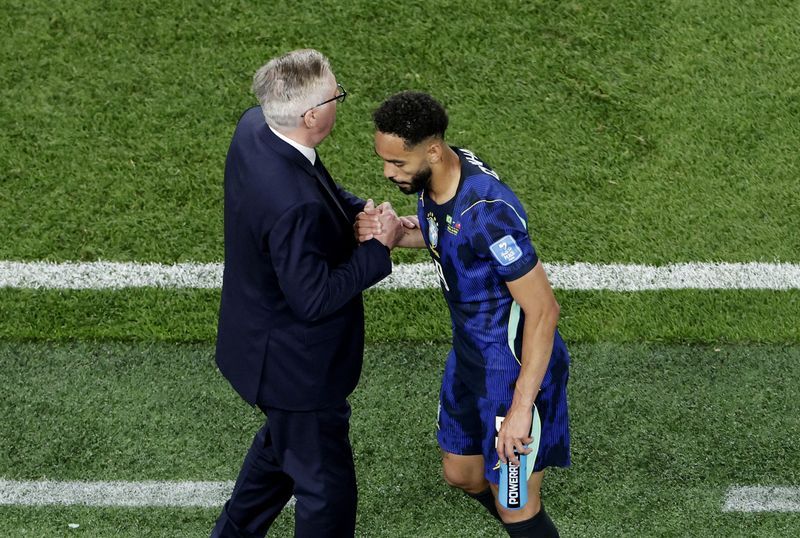
Carlo Ancelotti's Brazil team offered observers a more encouraging blueprint for the tournament ahead following a convincing 3-0 dismantling of Haiti in Philadelphia on June 19, even if deeper structural concerns remain unresolved. The commanding performance marked a significant departure from the sluggish 1-1 draw that opened their Copa America campaign against Morocco, suggesting the Italian tactician's adjustments are beginning to bear fruit in the quest for attacking cohesion and rhythmic play through the centre and wider areas.
Facing a Haiti side content to venture forward without consideration for defensive shape, Brazil exploited gaps with far greater precision than they had managed in their tournament opener. The limitation of their opposition cannot be entirely discounted—Haiti's naive approach gifted space that would prove considerably less available against stronger defensive setups. Yet within those circumstances, Ancelotti's structural changes revealed a more promising direction for a squad desperate to rediscover the dynamism that characterised their qualifying campaign.
The pivotal alteration involved promoting Matheus Cunha into the central attacking role vacated by Igor Thiago, a substitution that fundamentally reshaped how Brazil connected midfield with their forward line. Rather than a rigid, disconnected frontman, Cunha provided fluidity and intelligent movement off the ball, drifting between the lines and creating passing lanes for teammates. His positioning naturally invited Vinicius Jr and Lucas Paqueta into combination play, restoring a verticality to Brazil's attacking sequences that had been absent during their opening fixture.
Paqueta himself appeared transformed by this revised setup. Having drawn considerable criticism for his laboured first-half display against Morocco, the left-sided midfielder discovered renewed purpose and spatial freedom in the new diamond configuration. His linkup play with both Cunha and Vinicius generated multiple attacking opportunities, and he demonstrated the alertness and involvement that justified his reputation as a creative force. The chemistry developing down Brazil's left corridor suggested a potent combination, reminiscent of the understanding that had vanished following Neymar's absence from the international setup due to serious injury.
Vinicius emerged as the primary beneficiary of Cunha's introduction, finally receiving the consistent service and off-ball support that the Brazilian winger had lacked in recent national team appearances. Previously operating in relative isolation, Vinicius found himself with runners peeling off into space and midfielders eager to feed his runs. The left flank became Brazil's dominant attacking corridor, yielding the match's decisive goals and providing glimpses of what the national team might achieve when movement synchronises with passing intent.
Yet Ancelotti faces mounting concern about the opposite flank, where Barcelona winger Raphinha proved unable to impose himself for a second consecutive match. Already hampered by blisters that had forced him to miss a training session midweek, Raphinha appeared blunt from the opening whistle, his touch inconsistent and his decision-making suspect. Deployed wide rather than in the more central, roaming role he assumes at club level—closer to how Cunha operated on the night—he struggled with misplaced passes and poor ball retention, ultimately requiring substitution.
The dilemma for Ancelotti stems from the fundamental difference between Raphinha's club football positioning and his role within Brazil's tactical framework. At club level, the winger enjoys greater fluidity and central involvement, more akin to Cunha's performance. Within Brazil's right-flank assignment, he appeared constrained and awkward, unable to influence play with his usual sharpness. Should fitness issues persist ahead of matches against Scotland and beyond, alternatives such as Luiz Henrique represent fallback options, though Rayan's uninspiring brief appearance offers little encouragement.
Midfield stability presents an additional vulnerability that Haiti's limited tactical sophistication did not expose. Casemiro, now 34 years old, will face substantially more demanding tests against opponents capable of pressing with coordination and intensity. Bruno Guimaraes operated effectively as a right-sided midfielder in the diamond, but dropping deeper to bolster defensive foundations and build from the back remains a viable strategic pivot should Ancelotti determine that Casemiro requires supplementary support. This flexibility suggests the coaching staff recognises the England midfielder's advancing age as a potential liability against elite opposition.
The Haiti encounter represented incremental progress rather than a transformative statement. Brazil's execution improved visibly, their attacking movement more coherent, yet the opponent's defensive carelessness prevents drawing definitive conclusions about tournament readiness. Subsequent fixtures against more organised, tactically sophisticated rivals will ultimately determine whether Ancelotti's diamond formation and personnel adjustments constitute genuine solutions or merely temporary respite against overmatched opposition. The pathway forward has become clearer, but significant questions persist about whether Brazil possesses the defensive depth and right-flank cohesion necessary for sustained Copa America success.

