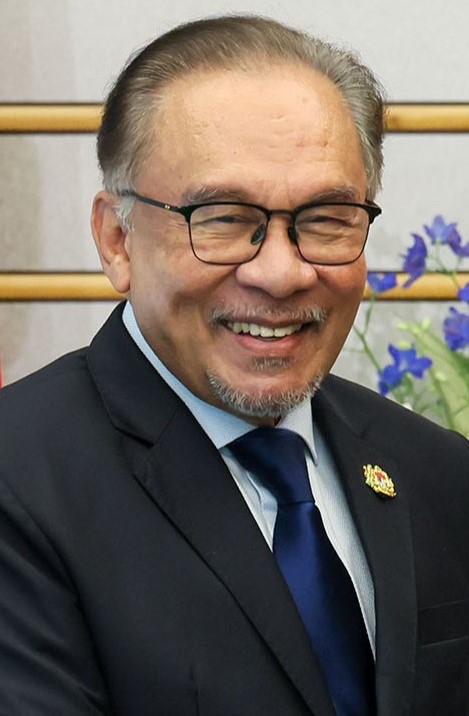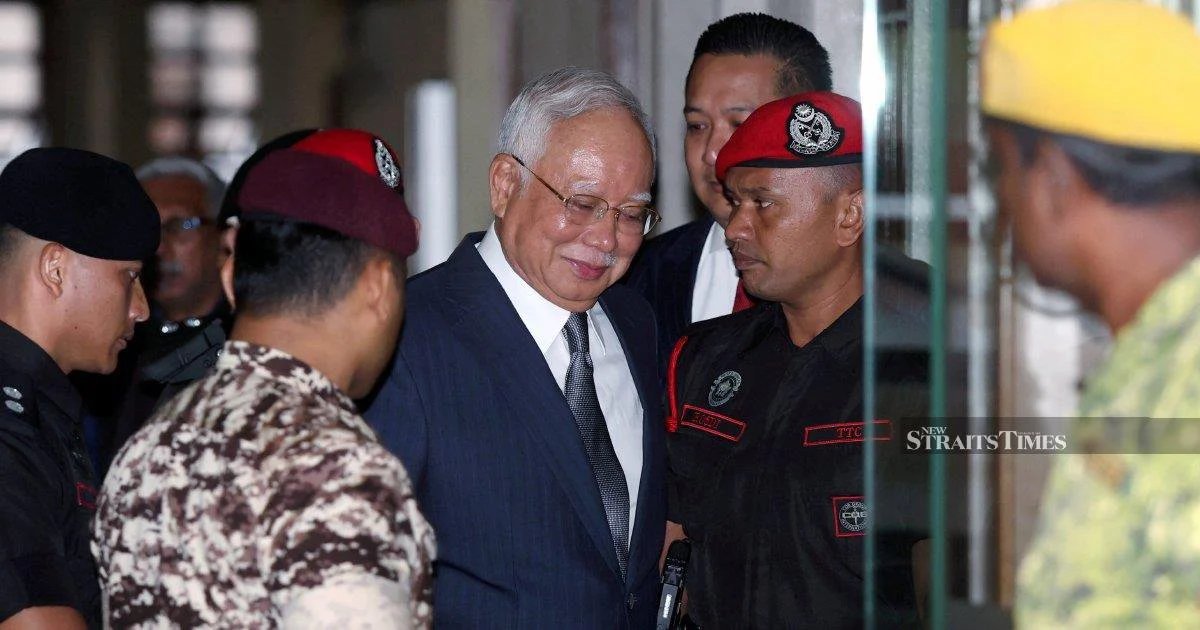
A Malaysian judge has delivered a decisive ruling that former Prime Minister Datuk Seri Najib Razak and fugitive financier Low Taek Jho functioned as deliberate collaborators in orchestrating the massive theft of billions from the 1Malaysia Development Bhd (1MDB) sovereign wealth fund. The judicial determination represents a significant moment in Malaysia's ongoing reckoning with one of the world's most substantial financial scandals, which triggered international investigations and contributed to the dramatic fall of a regime that had governed for six decades.
The finding that Najib and Jho Low worked in tandem fundamentally characterises the criminal enterprise as something more organised than opportunistic theft by individual actors. Rather than portraying the fund's misappropriation as separate schemes by uncoordinated officials and businessmen, the court's assessment suggests a deliberate partnership where each party understood their role in the overall machinery of diversion. This distinction carries weight in establishing premeditation and shared criminal intent across the complex web of transactions that ultimately moved funds to offshore accounts, real estate purchases, and investment vehicles across multiple continents.
The 1MDB scandal has represented an extraordinary challenge to Malaysia's institutions and international reputation. Launched ostensibly as an economic development initiative in 2009, the fund quickly became a vehicle through which an estimated US$4.5 billion disappeared through a series of elaborate schemes involving shell companies, fraudulent loan agreements, and deceptive financial documents. The breadth of the conspiracy required sophisticated financial engineering and access to international banking systems, elements that could only be mobilised through coordination between government officials wielding regulatory authority and private actors with sophisticated international business connections.
Jho Low, a Malaysian businessman educated abroad with extensive networks throughout global financial centres, possessed precisely the international expertise and connections necessary to execute such a scheme. His ability to navigate banking relationships and move funds through various jurisdictions complemented Najib's position as Prime Minister, which afforded control over the fund's governance, appointment of board members, and the capacity to override institutional safeguards. The court's characterisation of their working relationship in concert suggests that Najib leveraged his governmental authority while Jho Low provided the international infrastructure and operational sophistication necessary to execute the theft on such a colossal scale.
The implications of this ruling extend throughout Malaysia's political and financial landscape. The determination that a sitting Prime Minister conspired with a private businessman to systematically loot state assets represents a profound breach of public trust that resonates far beyond the immediate individuals involved. It underscores the vulnerabilities of governance structures when oversight mechanisms fail and when individuals occupying positions of supreme authority prioritise personal enrichment over fiduciary duty to the nation. For Malaysian citizens and the broader region, the case demonstrates how state institutions can be corrupted when leadership is motivated by greed rather than stewardship.
The court's findings also validate the years of investigation conducted by Malaysian authorities, international law enforcement agencies, and financial regulators across multiple countries. The 1MDB case prompted coordinated action by the United States Department of Justice, the Federal Bureau of Investigation, and financial intelligence units globally, illustrating how large-scale financial crimes transcend national boundaries and demand international cooperation. The systematic recovery of assets hidden in jurisdictions from Singapore to the United States has required unprecedented collaboration between countries with divergent legal systems and political interests, yet united by a commitment to pursuing accountability for such extraordinary theft.
Najib's legal battles continue across multiple fronts. He faces additional convictions and ongoing litigation related to various aspects of the 1MDB scheme, including charges concerning the misappropriation of funds from a subsidiary entity and the receipt of monies derived from criminal conduct. The Malaysian judiciary's sustained engagement with these cases over several years demonstrates both the complexity of the factual and legal issues and the institutional commitment to pursuing accountability despite the political sensitivities involved. Each judicial determination builds upon previous findings and strengthens the overall evidentiary foundation for accountability.
Jho Low remains at large, having evaded apprehension despite international arrest warrants and extensive investigations. His absence from Malaysian jurisdiction represents a notable gap in the accountability process, as the alleged architect and operational executor of the schemes continues to enjoy the benefits of geographical distance from prosecution. The contrast between Najib, who faces the Malaysian justice system, and Jho Low, whose exact location and circumstances remain unclear, highlights the persistent challenges in achieving comprehensive accountability for international financial crimes involving actors with resources to evade law enforcement.
The ruling carries significance for how Malaysia addresses governance failures and institutional corruption moving forward. The detailed judicial examination of how the 1MDB scheme functioned provides a comprehensive record of the mechanisms through which state resources were diverted, offering valuable insights for policymakers seeking to strengthen oversight of sovereign wealth funds and government-linked entities. Reform initiatives addressing government procurement, board appointments, and financial auditing have proceeded in part based on lessons extracted from the 1MDB collapse, though observers continue to debate whether reforms have sufficiently addressed systemic vulnerabilities.
For the broader Southeast Asian region, the 1MDB case and its judicial consequences represent both a cautionary narrative about the dangers of weak institutional safeguards and a demonstration that even powerful political figures can face accountability through functioning legal systems. As regional governments contemplate governance structures and accountability mechanisms, the Malaysian experience provides instructive lessons about the importance of independent judicial institutions, transparent financial reporting, and effective oversight boards capable of resisting political interference.