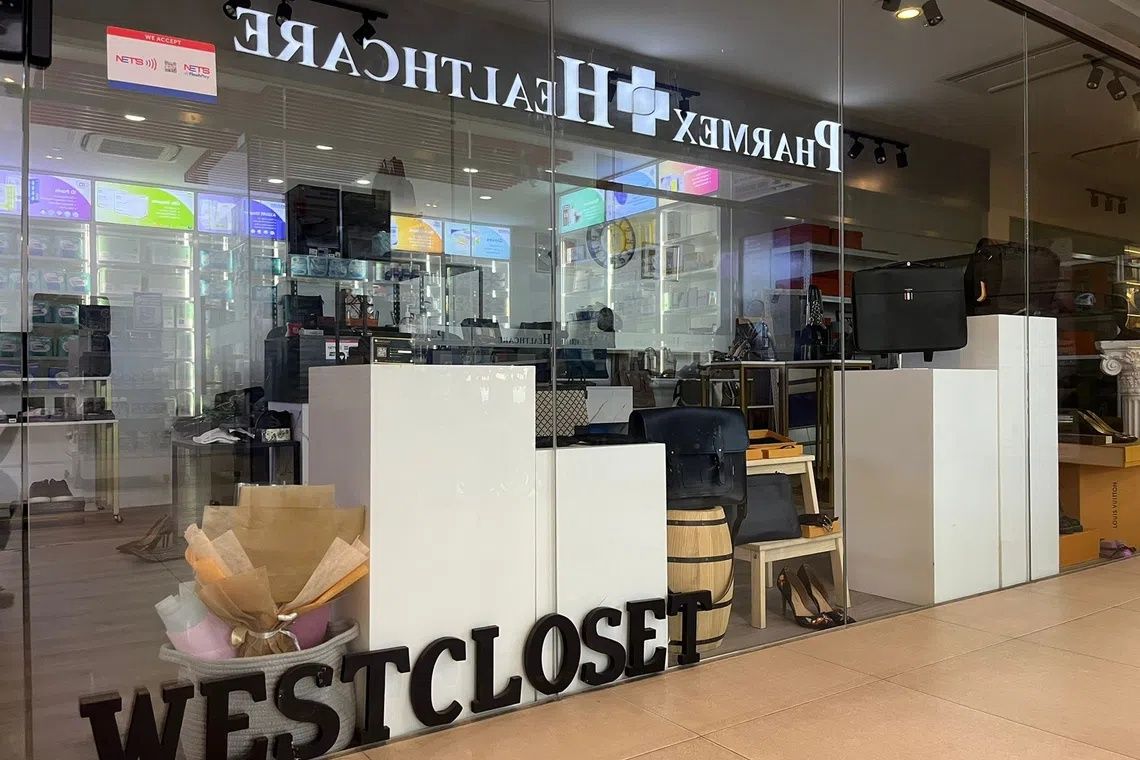
A 36-year-old Indonesian businesswoman has been handed an eight-month prison sentence after misappropriating funds from five victims through her luxury goods consignment enterprise located within a prestigious shopping mall in Singapore's central business district. Ringga Dwi Rizky Irianto, who operated West Closet at the OUE Downtown Gallery, diverted customer proceeds meant for the sale of high-end handbags into unauthorised transactions, breaching the trust of individuals who had placed valuable designer items in her care. The Subordinate Courts heard on Thursday that she has already returned S$41,000 to aggrieved parties, but courts have mandated an additional S$91,950 in compensation through an investigation officer. Should she fail to meet this financial obligation within the prescribed timeframe, she faces an extra 24 days of detention.
The enterprise operated by Irianto marketed its services aggressively across digital platforms including Carousell and Instagram, leveraging the rising demand for pre-owned luxury goods among Southeast Asian consumers. Customers would deposit their bags at the physical storefront for a 60-day sales window, with failure to retrieve items within this period triggering a S$60 penalty charge. The business model appeared straightforward: West Closet would facilitate the sale of these luxury items and retain a commission ranging between S$200 and S$900 before remitting the remainder to owners. This arrangement, whilst standard in the consignment sector, depended entirely on the proprietor's integrity and transparent financial management—safeguards that proved absent in this case.
The criminal activity centred on a systematic pattern where Irianto would successfully sell customers' handbags but then redirect the proceeds elsewhere rather than honouring payment agreements. In the first documented instance, a victim deposited two Hermes bags and one Chanel piece in July 2022, with a guaranteed payout of S$51,000 upon sale. The victim had even received written confirmation that funds would be deposited to her designated bank account within seven days of transaction completion. When Irianto sold all three bags and accumulated the promised sum, she deliberately misappropriated this money by applying it towards payment obligations for a different customer's order, effectively using one client's sale proceeds to fund another's transaction.
This fraudulent methodology was replicated across multiple victims in rapid succession. A second customer who consigned a Hermes bag lost S$33,500 when Irianto similarly diverted the sale proceeds. A third victim experienced an identical theft of S$23,500 from the sale of another Hermes handbag. The Deputy Public Prosecutor Darren Sim emphasised that these transactions collectively involved S$108,000 across three separate counts of criminal breach of trust to which Irianto entered guilty pleas. Two additional charges relating to the remaining victims and outstanding amounts were factored into sentencing considerations, bringing the total misappropriation to nearly S$140,000.
The case reflects broader vulnerabilities within the second-hand luxury goods market, which has exploded across Southeast Asia as affluent consumers increasingly embrace pre-owned designer purchases. The consignment model, whilst economically efficient for both sellers and buyers, places considerable financial trust in individual proprietors who may lack robust regulatory oversight or standardised industry protections. For Malaysian consumers and entrepreneurs operating in similar spaces, this Singapore case underscores the critical importance of implementing transparent accounting systems, independent verification mechanisms, and clear contractual protections when engaging with consignment businesses. The digital nature of these platforms—particularly social media-driven marketplaces—creates a false sense of legitimacy that can mask inadequate backend compliance structures.
Ringga's criminal activity went undetected for months, with authorities only apprehending her in September 2022, approximately three months after the initial documented theft. However, the formal charges were not filed until 2024, suggesting protracted investigations to establish the full scope of fraudulent transactions and trace financial movements. This temporal gap between suspected criminality and formal prosecution remains a common challenge in white-collar fraud cases throughout the region, where digital evidence collection and cross-border financial tracing complicate investigations. Her bail was established at S$15,000, and she is scheduled to commence her sentence in October, providing a window for her to arrange her affairs before incarceration.
Under Singapore's Penal Code, criminal breach of trust carries a maximum sentence of seven years imprisonment, a substantial fine, or both. Irianto's eight-month term, whilst representing a relatively moderate punishment within this framework, reflects her guilty plea and demonstrated restitution efforts. Courts generally view partial repayment as a mitigating factor, particularly when offenders show genuine remorse and financial capacity to compensate victims. The imposed compensation order of S$91,950 signifies that courts expect her to utilise any resources available—whether through family support, asset sales, or future earnings—to fully restore victims' losses.
For Malaysian citizens and businesses operating in Singapore's consumer services sector, this case serves as a cautionary narrative about the importance of due diligence when selecting intermediaries for valuable goods transactions. The luxury goods consignment market continues expanding across Malaysia, with numerous small operators replicating West Closet's business model through social media channels. Potential customers would be prudent to verify business registration, request explicit written guarantees, establish escrow arrangements for significant transactions, and maintain independent documentation of item handover and agreed valuations. Additionally, the case highlights why informal, Instagram-based retail operations—however professionally presented—warrant heightened scrutiny compared to established retailers with corporate governance frameworks and insurance protections.
The regulatory landscape in Singapore, with its robust law enforcement and judicial system, ultimately delivered accountability for Irianto's actions. However, similar schemes may flourish more readily in jurisdictions with less stringent enforcement capabilities. For Southeast Asian consumers navigating the burgeoning second-hand luxury market across the region, this Singapore prosecution reinforces that no platform, individual, or business model is inherently trustworthy without verifiable institutional safeguards. The case also raises questions about platform responsibility—whether Carousell, Instagram, and similar marketplaces should implement enhanced vetting procedures for high-value transaction facilitators or provide escrow services to protect vulnerable consumers from precisely this category of fraud.

