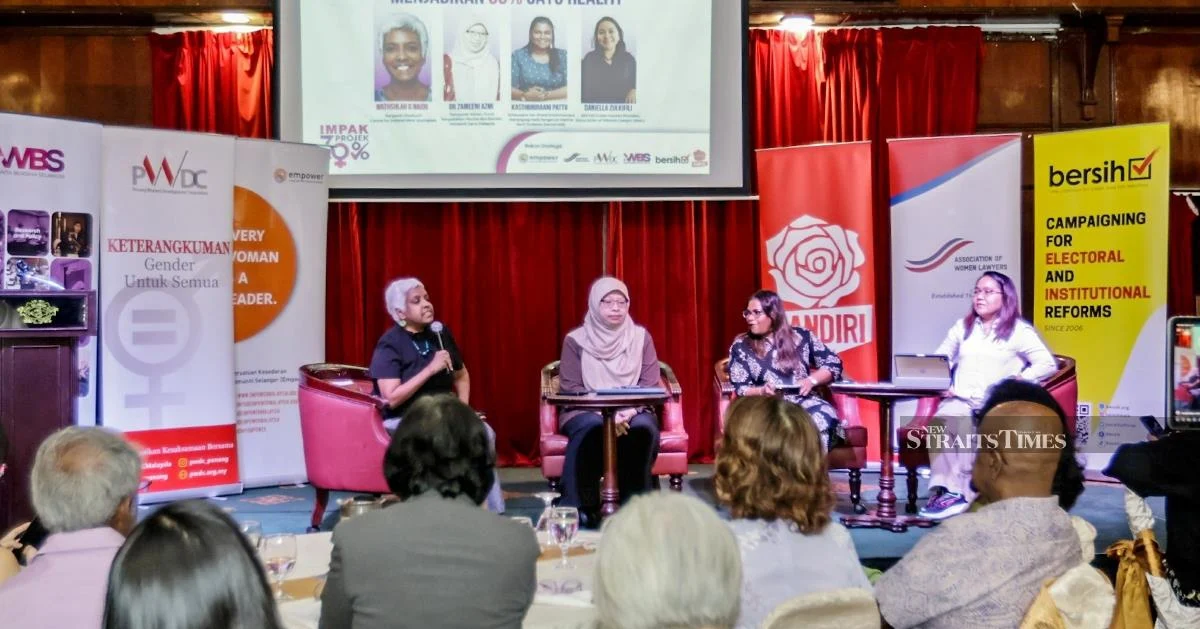
A broad coalition of civil society organisations in Malaysia has taken a decisive step toward increasing female political representation by formally presenting a memorandum and draft legislation to the government, requesting that all political parties nominate a minimum of 30 per cent women candidates for the next general election.
The submission marks an escalation in advocacy efforts around gender equality in Malaysian politics, a region where women remain significantly underrepresented in elected offices. The 30 per cent threshold represents an ambitious but achievable target that aligns with international best practices and regional comparisons, where countries like Rwanda and Bolivia have implemented similarly structured quotas with measurable success.
The push for legislative action reflects broader concerns among advocacy groups that voluntary commitments by political parties have proven insufficient to shift entrenched patterns. Despite decades of declarations supporting gender equality, most Malaysian political parties continue to nominate substantially fewer women candidates than men, a disparity that directly translates into lower female representation in parliament and state assemblies.
The draft legislation being championed by these organisations would institutionalise candidate quotas rather than relying on party discretion or moral persuasion. This legal framework approach ensures consistency across all contesting parties and eliminates the uneven playing field where individual parties might adopt quotas while competitors do not, potentially disadvantaging those taking progressive stances.
For Malaysian voters, such a reform carries significant implications. Research demonstrates that women legislators tend to prioritise issues affecting families, healthcare, education, and social welfare, areas that impact millions of Malaysians daily. Increased female parliamentary presence would likely shift policy agendas and introduce perspectives currently marginalised in decision-making chambers dominated by male voices.
The 30 per cent figure carries strategic importance beyond mere symbolism. Electoral studies suggest this threshold represents the critical mass needed for women to influence legislative priorities and be perceived as substantive contributors rather than token representatives. Below this point, female legislators often report being sidelined in key committees and executive bodies, regardless of their qualifications or legislative records.
Timing the push toward the next general election creates practical urgency. Election commissions must establish clear candidate submission guidelines well in advance of nomination periods, and political parties require sufficient lead time to identify, develop, and nominate qualified female candidates. Implementing such changes during an election cycle rather than months beforehand maximises their effectiveness and prevents rushed or tokenistic compliance.
The coalition's approach of coupling a formal memorandum with draft legislation demonstrates sophisticated advocacy strategy. The memorandum communicates the breadth of societal support and moral weight behind the proposal, while the draft law provides policymakers with concrete, implementable language rather than vague demands. This combination reduces government excuses about lacking clear parameters or technical feasibility.
Regionally, Malaysia faces pressure to improve its gender equality metrics. International indices measuring women's political participation consistently rank Malaysia below regional neighbours and global standards, creating reputational concerns and vulnerability to international scrutiny. Legislative action on candidate quotas would signal genuine commitment to gender equality beyond rhetorical endorsements.
Opposition from entrenched interests is predictable. Some party leaders argue that strict quotas undermine meritocracy, though evidence from quota-implementing democracies suggests voters ultimately assess candidates on capability rather than gender. Others worry about rural constituencies where traditional attitudes toward female leadership remain conservative, though this concern often reflects elite assumptions rather than actual voter preferences.
The constitutional basis for such legislation appears sound. Malaysia's Federal Constitution permits reasonable distinctions for advancing equality objectives, and several state legislatures have already enacted measures supporting women's political participation. Precedent exists within Malaysian jurisprudence for accepting affirmative action mechanisms when designed to remedy documented inequality.
Implementation mechanisms would require careful design. Questions about how to calculate percentages when numbers vary, whether quotas apply equally to all candidate types, and enforcement procedures for non-compliance must be addressed in final legislation. The memorandum and draft law presumably outline such details, though clarity on implementation will prove crucial for real-world effectiveness.
This initiative ultimately reflects a fundamental democratic principle: representative institutions should reflect the demographics and perspectives of populations they serve. With women comprising roughly half of Malaysia's electorate and workforce, their continued underrepresentation in legislative bodies represents both an equality deficit and a governance shortcoming that deprives policymakers of valuable talent and insight.

