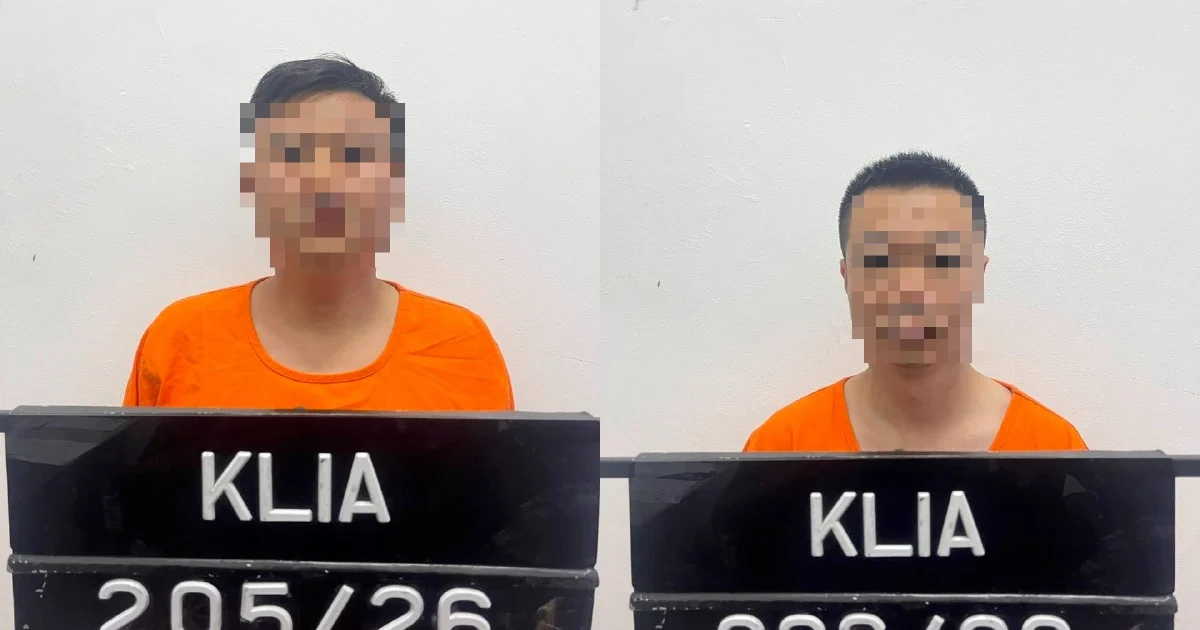
The Sepang police have remanded two Chinese nationals for a four-day period beginning today as authorities investigate a reported attempted theft that allegedly occurred aboard an aircraft en route from Dili, Timor-Leste, to Kuala Lumpur International Airport. The incident marks a concerning breach of aviation security and passenger safety during what should have been a routine commercial flight operating on the Southeast Asian route.
Aircraft security represents a critical concern for regional aviation authorities, given the high volume of international travel through major hubs like KLIA. When crimes occur at altitude, they present unique investigative challenges due to the extraterritorial nature of airspace and the complexity of determining which jurisdiction holds primary responsibility. The four-day remand period allows investigators to conduct thorough questioning and gather evidence from multiple sources, including flight crew testimonies, passenger statements, and any physical evidence recovered during the flight or upon landing.
The alleged incident highlights vulnerabilities in cabin security procedures despite decades of heightened vigilance following global aviation incidents. Passengers on international routes expect to travel safely without fear of criminal activity, yet even routine flights can become scenes of opportunistic or premeditated crimes. The fact that such an incident occurred on a flight serving the Malaysia-Timor Leste corridor underscores that aviation crimes remain a persistent challenge across Southeast Asia's busy air corridors.
Dili serves as a significant transit point for regional travel, with connections to major Asian aviation hubs. The flight route between Timor-Leste and Malaysia facilitates important business, diplomatic, and leisure travel between the two nations. An alleged theft aboard such a flight raises questions about passenger screening procedures, the effectiveness of in-flight monitoring by crew members, and whether standard security protocols were sufficient to prevent the incident.
The remand of the two suspects will enable investigators to establish the precise sequence of events during the flight, identify any alleged victims, determine what items were targeted or taken, and ascertain the motive behind the attempted theft. Such investigations often involve coordination between Malaysian authorities, the aircraft operator, and potentially Timorese officials, depending on where the alleged offense occurred and the jurisdiction exercising control.
Malaysia's aviation sector handles millions of passengers annually across its major airports, with KLIA being the nation's primary international gateway. Incidents involving alleged crimes aboard flights underscore the importance of maintaining robust security frameworks and crew training protocols. Airlines operating on the Dili-Kuala Lumpur route must ensure that all staff members are equipped to identify, report, and respond appropriately to suspicious behavior or criminal activity.
The investigation's progression will likely reveal whether the alleged attempt was opportunistic or planned in advance. Security footage from the aircraft, if available, will constitute crucial evidence. Passenger testimonies may provide corroborating accounts of what transpired during the flight, potentially establishing a clear narrative of events leading to the arrest of the two suspects.
Criminal activity aboard aircraft carries serious legal consequences in most jurisdictions, and Malaysia's laws provide substantial penalties for theft and related offenses committed within its airspace or aboard aircraft serving its airports. The four-day remand period represents a standard investigative timeframe that balances authorities' need for adequate questioning time against legal protections for the accused.
The incident serves as a reminder that despite sophisticated security screening at airports, criminal threats can still emerge during flight operations. Crew members play an essential role in detecting and reporting suspicious activities, and this case may prompt airlines to review their in-flight security protocols and staff training standards. Enhanced vigilance during flights—particularly on routes frequented by international passengers—remains vital for maintaining passenger confidence in aviation safety.
For Malaysia's tourism and business sectors, which depend heavily on safe and reliable air transport, such incidents underscore the need for continuous investment in aviation security infrastructure and personnel training. The resolution of this case will likely influence discussions among regional aviation authorities regarding standardized security measures and information-sharing protocols.
As the investigation progresses, the remanded suspects will remain in custody while police gather additional evidence and conduct further inquiries. The four-day period should provide sufficient time for a comprehensive investigation into the alleged mid-air theft attempt, with the possibility of extension if additional time proves necessary for the authorities to build a complete evidentiary case.