Police in Beijing have cracked open one of China's most audacious health centre scams, arresting more than 30 suspects accused of defrauding elderly residents through an elaborate scheme involving fake medical consultations and doctored intestinal treatments. The fraud network operated across multiple districts, with over 20 establishments masquerading as legitimate wellness clinics, collectively bilking seniors out of more than 10 million yuan, equivalent to US$1.5 million.
Investigators uncovered the scheme after the family of a woman in her 60s, identified by surname Li, discovered their relative had squandered 700,000 yuan—approximately US$103,000—at a single health centre. The revelation triggered alarm bells that ultimately exposed how the operation had systematically preyed on vulnerable older adults through psychological manipulation and fraudulent medical practices. Ms Li had enrolled in repeated treatment sessions, each costing tens of thousands of yuan, draining her savings gradually until clinic staff even encouraged her to pawn personal jewellery to finance further procedures. When she expressed reluctance to continue, employees pressured her emotionally, suggesting that financial assets held little value if her health remained compromised.
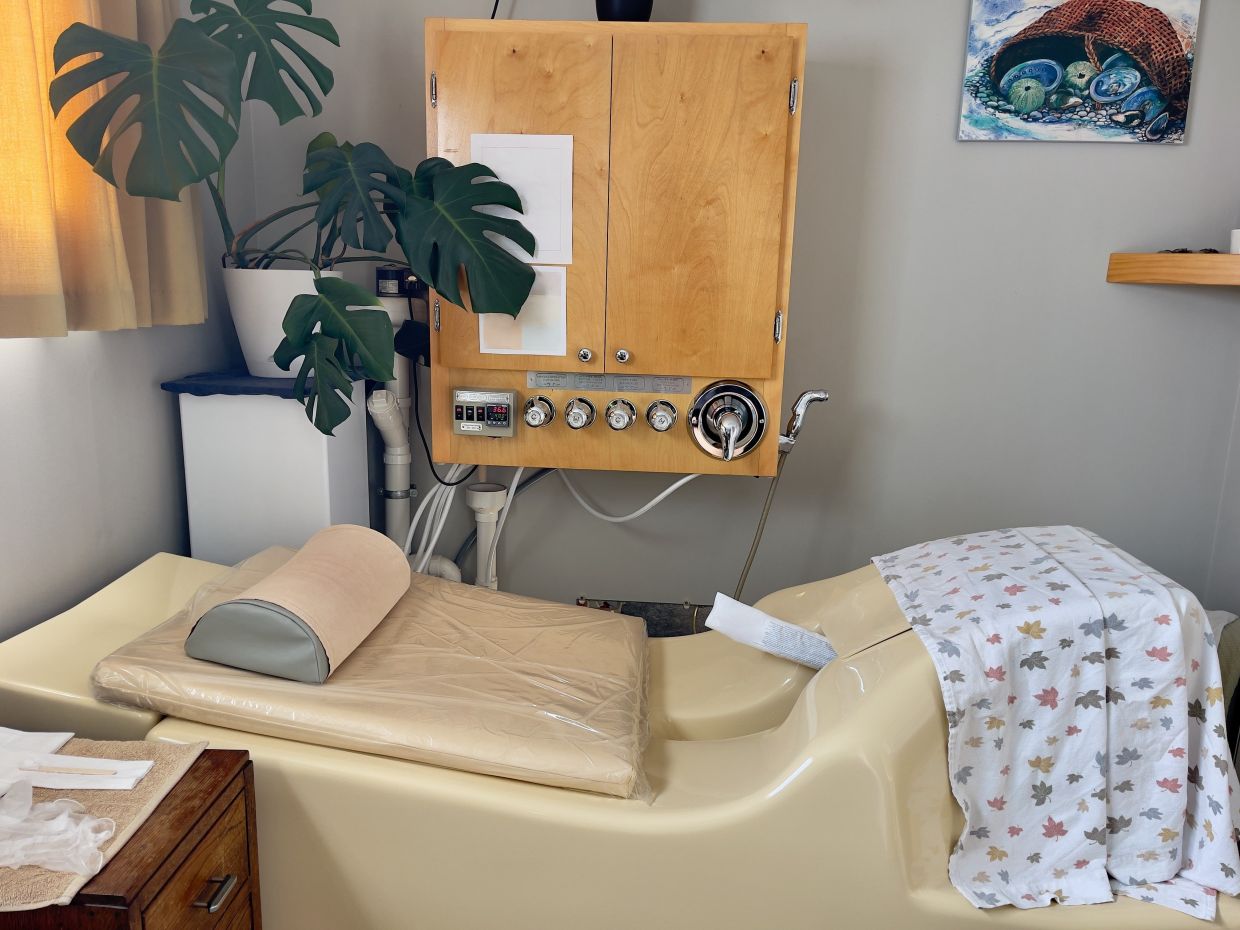
The operational blueprint reveals calculated predatory tactics that exploited the emotional and social vulnerabilities endemic to aging populations. The network recruited purported medical experts who frequented senior centres and public gathering spaces where elderly individuals congregated, offering complimentary consultations under the guise of preventive health screening. These fraudsters diagnosed fabricated ailments among their targets, then prescribed expensive, prolonged treatment regimens tailored to individual circumstances. The centrepiece of their deception involved intestinal cleansing procedures, during which technicians secretly introduced dark soy sauce—a cooking ingredient commonly used in Chinese cuisine—into the treatment fluid. When seniors observed the liquid darkening, they were persuaded this discolouration represented accumulated bodily toxins being expelled, creating apparent medical justification for continued expensive interventions.
Staff members employed sophisticated relationship-building strategies designed to create emotional bonds that transcended typical commercial transactions. Employees memorised clients' birthdays, extended personal courtesies, and cultivated an atmosphere of genuine care calculated to substitute for familial affection. The organisation deliberately targeted affluent retirees living in isolation, as well as emotionally estranged seniors whose adult children lived separately or maintained minimal contact. By positioning themselves as attentive caregivers while actual family members remained geographically or emotionally distant, perpetrators exploited profound psychological needs for attention and validation that characterise many older adults' lived experiences.
The magnitude of the operation underscores how thoroughly the fraudsters professionalised their enterprise. Police calculations indicate the network's total turnover exceeded 30 million yuan—approximately US$4.5 million—an extraordinarily high figure for facilities ostensibly providing basic wellness services. Individual victims demonstrated remarkable financial exposure: one elderly client alone transferred more than 2 million yuan, equivalent to US$295,000, revealing the sustained and intensive nature of the exploitation. The coordinated deployment of over 20 interconnected establishments across disparate Beijing locations suggests a sophisticated criminal infrastructure with operational planning extending across extended geographic territories and extended time periods.
China's demographic landscape has created conditions rendering millions of seniors susceptible to precisely this category of fraud. National statistics compiled through end-2025 documented 323 million residents aged 60 and above, representing nearly one-quarter of the country's entire population. Among this cohort, approximately 60 per cent constitute so-called empty-nesters—elderly individuals either childless or whose adult children reside in separate households and maintain limited contact. This demographic reality reflects broader social transformations accompanying rapid urbanisation and economic migration, whereby younger generations relocate to commercial centres for employment opportunities, leaving aging parents geographically isolated in hometown communities or provincial cities. The confluence of population aging, geographic family fragmentation, and accumulated lifetime savings among this generation creates structural vulnerability that predatory operators systematically exploit.
Industry observers have raised alarms regarding the proliferation of unlicensed health establishments operating with minimal regulatory oversight. Commentary circulating through Chinese social media platforms emphasises that similar schemes continue flourishing across the country, with unscrupulous operators regularly distributing complimentary gifts and promotional vouchers to lure unsuspecting seniors into their facilities. The health and wellness sector has become notorious for harbouring fraud networks that exploit gaps in enforcement and the difficulty elderly clients experience in distinguishing legitimate medical establishments from fraudulent operators. Regulatory authorities face mounting pressure to implement substantive supervision mechanisms that would impose meaningful consequences on operators engaging in deceptive practices, while simultaneously protecting legitimate wellness providers from unwarranted restrictions.
The case carries particular relevance for Southeast Asian societies experiencing analogous demographic transitions. Malaysia, Thailand, Vietnam, and other regional economies are witnessing accelerated population aging as fertility rates decline and longevity increases. Urban migration patterns similar to those observed in China are becoming increasingly prevalent throughout Southeast Asia, creating comparable conditions wherein elderly relatives remain in rural communities while adult children pursue opportunities in metropolitan centres. These demographic trends, when combined with inadequate social safety nets and limited aged-care infrastructure in some jurisdictions, create vulnerability profiles matching those that Chinese fraudsters have learned to exploit. The Beijing case therefore functions as instructive precedent illustrating mechanisms through which organised crime networks adapt to exploit demographic vulnerabilities in aging societies.
The deception's operational success derived substantially from perpetrators' exploitation of information asymmetries and psychological vulnerabilities rather than sophisticated technological methods. Elderly victims lacked medical expertise to evaluate whether observed darkening in treatment liquids genuinely represented bodily toxins or merely cooking condiments. More fundamentally, the emotional gratification derived from being treated as valued individuals meriting personal attention and specialist care created powerful psychological incentives that overrode rational financial calculation. Family members were often unaware of transactions occurring, given that many elderly clients managed their own finances independently and felt embarrassment disclosing to children that they had been defrauded. This combination of limited medical literacy, emotional yearning, and family shame created ideal conditions for sustained exploitation.
Law enforcement authorities characterised the operation as representing an organised criminal enterprise rather than isolated commercial misconduct, pointing to the coordinated deployment of multiple facilities, sophisticated victim-targeting methodologies, and sustained financial extraction patterns. The arrest of more than 30 individuals suggests operational structures incorporating clear hierarchies, resource-sharing mechanisms, and strategic coordination across geographic locations. Such organisational sophistication indicates that perpetrators had invested considerable effort developing repeatable systems capable of operating simultaneously across multiple sites, suggesting this particular network may have functioned as template for similar operations elsewhere in China or potentially in neighbouring jurisdictions.
The broader implications extend beyond individual fraud cases to encompass fundamental questions regarding the adequacy of consumer protection mechanisms, elderly welfare systems, and healthcare market regulation in rapidly aging societies. As demographic structures continue shifting toward older populations throughout Asia, the vulnerability exemplified by victims in the Beijing case will intensify unless policymakers implement comprehensive safeguards. These might encompass enhanced regulatory oversight of health establishments, mandatory caregiver involvement in major medical expenditure decisions, financial literacy programmes targeting seniors, and expanded community-based support networks designed to reduce emotional isolation. The case demonstrates that technological sophistication matters less than addressing the underlying social conditions—isolation, emotional yearning, and informational disadvantage—that fraudsters systematically exploit.

