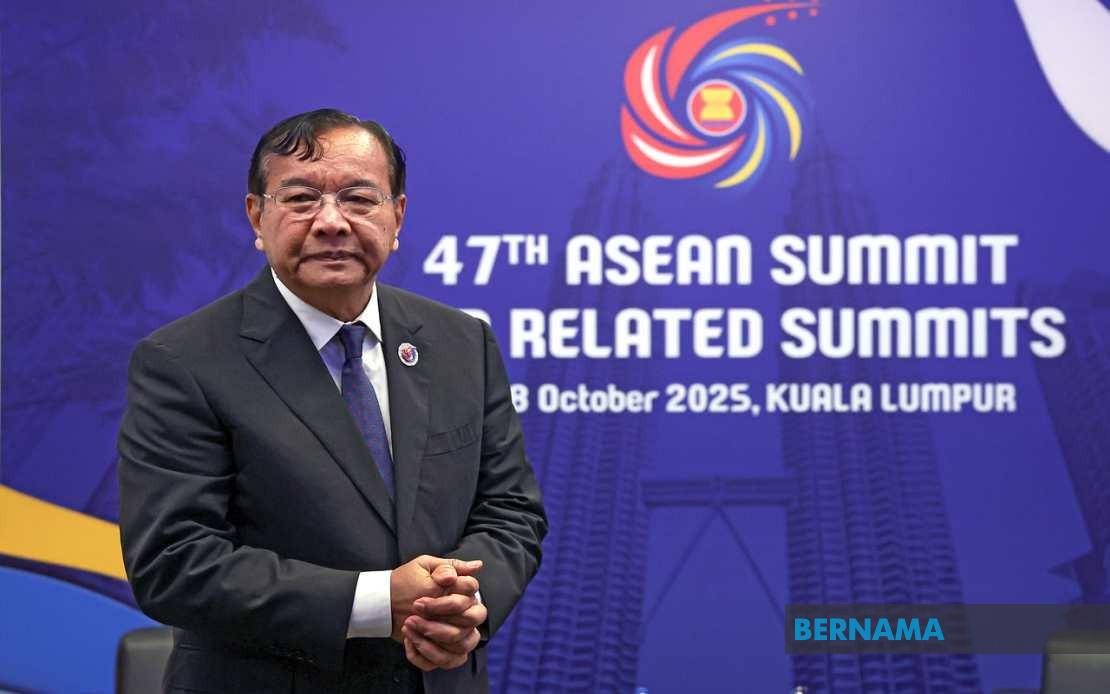
Cambodian Deputy Prime Minister and Foreign Minister Prak Sokhonn arrived in Malaysia on August 3 for a two-day official visit, marking a significant diplomatic moment for the two Southeast Asian neighbours. The centrepiece of the engagement is the third Malaysia-Cambodia Joint Commission for Bilateral Cooperation (JCBC), which Prak Sokhonn will co-chair alongside Malaysia's Foreign Minister Datuk Seri Mohamad Hasan. The meeting represents a notable breakthrough for bilateral ties, as the commission resumes operations after remaining dormant for two decades, with the previous gathering held in Siem Reap in 2006.
The timing of this visit carries strategic importance for both nations. Scheduled ahead of the seventieth anniversary of Malaysia-Cambodia diplomatic relations in 2027, the re-engagement demonstrates a deliberate effort by both governments to reinvigorate institutional mechanisms of cooperation that had lapsed. The Foreign Ministry's statement underscores that the visit reflects a renewed momentum in the bilateral relationship, with both countries committed to elevating their partnership across multiple domains. This resumption of the JCBC signals that Malaysia and Cambodia intend to move beyond sporadic diplomatic courtesies toward structured, regular engagement at senior government levels.
The visit's diplomatic itinerary reflects the seriousness accorded to the occasion. Before the formal JCBC meeting, Prak Sokhonn is scheduled to pay a courtesy call on Prime Minister Datuk Seri Anwar Ibrahim, providing Malaysia's top leadership an opportunity to reaffirm the historical bonds between the two nations and discuss issues of mutual concern. These bilateral discussions are expected to touch upon broader Southeast Asian challenges, including regional stability, economic cooperation, and the role of both countries within ASEAN frameworks. The prominence given to this visit at the highest governmental levels indicates that Cambodia views Malaysia as a significant regional partner worthy of renewed focus.
The economic relationship between the two countries provides compelling context for this diplomatic initiative. In 2025, bilateral trade surged by 27.4 per cent year-on-year, reaching RM5 billion (US$1.17 billion), demonstrating robust commercial vitality. Malaysia's exports to Cambodia have grown substantially, totalling RM4.13 billion (US$970 million), while Malaysian imports from Cambodia amounted to RM880 million (US$200 million). These figures suggest that Malaysian businesses have successfully established themselves within the Cambodian market and that supply chains between the two countries are functioning efficiently. The trade growth trajectory indicates that economic interdependence provides a solid foundation for the diplomatic rapprochement now taking place.
Beyond commerce, Malaysia's investment position in Cambodia underscores the depth of economic ties. As of 2024, Malaysian cumulative investments in Cambodia reached US$3.20 billion (RM13.07 billion) spread across 162 registered projects. This investment footprint elevates Malaysia to the status of Cambodia's third-largest foreign investor, a position that reflects decades of business confidence and engagement. The scale of Malaysian capital deployed in Cambodia suggests that thousands of Cambodian workers are employed by Malaysian firms and that Malaysian companies have become embedded within Cambodia's economic structure. Such investments create vested interests on both sides in maintaining stable, cooperative relations.
The JCBC mechanism itself serves as an institutional framework for coordinating cooperation across multiple sectors. At the conclusion of the third meeting, both foreign ministers are scheduled to sign Agreed Minutes documenting key outcomes and reaffirming their commitment to strengthened bilateral engagement. These minutes typically outline action items, establish working groups on specific issues, and set timelines for future cooperation. The formal documentation ensures that agreements reached at ministerial level translate into concrete actions across relevant government departments and agencies.
For Malaysia specifically, the resumption of the JCBC addresses a long-standing gap in regional engagement infrastructure. Cambodia is a significant ASEAN member with growing strategic importance, particularly given its proximity to Vietnam and Thailand. By institutionalising regular high-level dialogue through the JCBC, Malaysia positions itself to exert greater influence over Cambodian policy priorities and to coordinate responses to regional challenges. The investment and trade relationships provide Malaysia with legitimate reasons to maintain close engagement with Cambodian leadership on issues affecting Malaysian business interests and citizens working or operating in Cambodia.
The twenty-year hiatus in JCBC meetings reflects the vagaries of bilateral relations over the past two decades. Both countries may have been preoccupied with internal challenges or regional issues that diverted attention from institutional maintenance. The decision to revive the mechanism now suggests that both Malaysia and Cambodia have determined that the benefits of structured engagement outweigh the administrative effort required. It also indicates that any previous tensions or misunderstandings that may have contributed to the commission's dormancy have been sufficiently addressed or superseded by changing circumstances.
For Malaysian policymakers and business communities, this diplomatic reset opens pathways for expanded cooperation in areas ranging from infrastructure development to tourism promotion. Cambodia's continued economic growth makes it an increasingly attractive destination for Malaysian investment, particularly in sectors such as manufacturing, agriculture, and services. The renewed diplomatic engagement facilitates smoother navigation of regulatory frameworks and dispute resolution mechanisms that inevitably arise in complex bilateral relationships.
The broader Southeast Asian context cannot be overlooked when assessing the significance of this visit. Malaysia and Cambodia, both ASEAN members with distinct geopolitical interests, benefit from maintaining clear communication channels and regular dialogue. In an era of great power competition and shifting regional alignments, the ability of smaller Southeast Asian nations to maintain independent foreign policies and balanced relationships depends partly on active engagement with fellow regional members. The JCBC resumption contributes to ASEAN cohesion by demonstrating that bilateral mechanisms can be revived and maintained despite extended periods of dormancy.
Looking forward, the success of this third JCBC meeting will likely influence the frequency and depth of Malaysia-Cambodia engagement in coming years. If the meeting generates substantive agreements and both governments commit to regular follow-up, the bilateral relationship may enter a new phase of institutional maturity. Conversely, should the meeting prove largely ceremonial without concrete outcomes, questions may arise about the durability of renewed engagement. The timing chosen—well ahead of the diplomatic anniversary in 2027—suggests that both nations intend to use the coming years to meaningfully strengthen ties before marking this milestone.
The visit also carries implications for Malaysia's broader Southeast Asian diplomacy. By actively engaging with Cambodia at senior levels, Malaysia demonstrates its commitment to maintaining balanced relationships throughout ASEAN and investing in institutional mechanisms that might otherwise atrophy. This approach strengthens Malaysia's position within the region and reinforces its credentials as a dependable partner for regional cooperation. For Malaysian officials, the JCBC provides a structured platform for addressing issues affecting bilateral relations while demonstrating responsiveness to Cambodian concerns and priorities.

