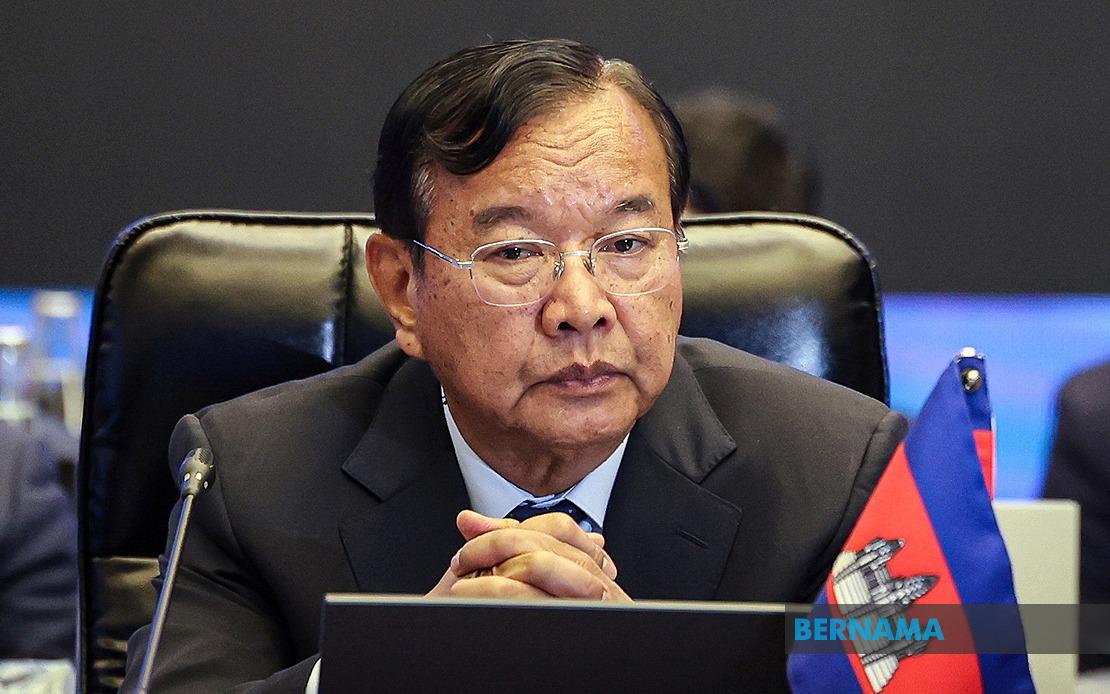
Cambodia's Deputy Prime Minister and Foreign Minister Prak Sokhonn is preparing to arrive in Malaysia next week for high-level diplomatic engagements aimed at strengthening the relationship between the two Southeast Asian neighbours. The official visit, scheduled for August 3 and 4, represents a significant moment for bilateral relations as the two countries seek to deepen their partnership across various domains of mutual interest and cooperation.
The centrepiece of Sokhonn's Malaysia itinerary will be his participation in the third meeting of the Cambodia–Malaysia Joint Commission for Bilateral Cooperation (JCBC), to be held in Kuala Lumpur. This forum serves as the primary institutional mechanism through which the two governments coordinate their collaborative efforts and set strategic priorities for their ongoing relationship. The gathering will bring together senior officials from both nations to assess progress and chart the course for future cooperation.
During the two-day engagement, Cambodian and Malaysian officials will conduct a comprehensive review of implementation outcomes from the second JCBC meeting and examine the fulfilment of previously negotiated bilateral agreements. This stock-taking exercise is standard practice in institutional bilateral relations, allowing both sides to demonstrate accountability for agreed commitments and identify areas where progress has been achieved or where additional efforts are required. Such reviews help maintain momentum and ensure that diplomatic agreements translate into tangible benefits for both nations and their peoples.
Beyond the formal assessment of existing commitments, the third JCBC meeting will focus on identifying and developing fresh avenues for cooperation. The two countries intend to outline concrete initiatives that would expand and deepen their relationship across multiple economic, social, and strategic sectors. Cambodia and Malaysia share significant geographic proximity and overlapping regional interests, making expanded cooperation mutually beneficial in addressing shared challenges ranging from trade and investment to regional security and environmental sustainability.
The bilateral context for this visit reflects broader patterns of Southeast Asian integration and the importance of bilateral relations within the Association of Southeast Asian Nations framework. Malaysia and Cambodia have developed increasingly sophisticated partnership mechanisms over recent years, moving beyond traditional diplomatic courtesies to establish working relationships that generate practical outcomes. The JCBC represents an evolution in how the two nations operationalise their commitment to deepening ties.
While in Kuala Lumpur, Sokhonn will undertake bilateral meetings with Malaysia's Foreign Minister Datuk Seri Mohamad Hasan, providing an opportunity for the two foreign ministers to discuss sensitive issues outside the formal multilateral commission structure. These one-on-one conversations often prove pivotal in building personal rapport between senior officials and resolving outstanding concerns that might not surface in larger forums. The foreign ministers' engagement allows for candid discussions about regional developments and how the two countries might coordinate their positions on matters of mutual concern.
A particular highlight of the visit will be Sokhonn's courtesy call on Malaysian Prime Minister Datuk Seri Anwar Ibrahim. Such high-level engagements carry symbolic weight, signalling the priority that both Cambodia and Malaysia accord to their bilateral relationship at the executive leadership level. Prime ministerial audiences typically occur when a visiting dignitary is deemed sufficiently important to warrant the head of government's time and attention, reflecting the stature Sokhonn holds and the significance both capitals attach to Cambodia-Malaysia relations.
The Cambodian Ministry of Foreign Affairs and International Cooperation characterised the visit as an opportunity to inject fresh momentum into what it described as a robust and multifaceted partnership. This language suggests that while the bilateral relationship enjoys solid foundations and demonstrates vitality across multiple domains, there remains considerable potential for expansion and deepening. The emphasis on injecting fresh momentum indicates that both sides view this moment as one where revitalised commitment and new initiatives could reinvigorate cooperation.
For Malaysian observers, this visit merits attention because it demonstrates how Kuala Lumpur continues to cultivate strong relationships with its ASEAN neighbours at the bilateral level, even as regional integration efforts proceed through multilateral channels. Cambodia represents a neighbouring state with which Malaysia shares significant interests in regional stability, maritime cooperation, and economic collaboration. The bilateral relationship also reflects Malaysia's strategic approach of maintaining strong individual partnerships with each ASEAN member state rather than relying solely on ASEAN-wide mechanisms.
The timing of this visit in early August comes amid broader regional dynamics involving various bilateral and multilateral initiatives across Southeast Asia. Cambodia, as the current or recent ASEAN chair, may also be engaged in coordinating regional positions and activities, making high-level bilateral visits with key ASEAN partners particularly consequential. Malaysia's engagement with Cambodia at this juncture reinforces the importance both capitals place on maintaining robust communication channels.
Looking forward, the outcomes of the third JCBC meeting will likely shape the trajectory of Cambodia-Malaysia relations over the coming years. New agreements reached or initiatives launched during this visit could expand economic ties, enhance people-to-people exchanges, or establish new frameworks for regional cooperation. Malaysian businesses and investors will follow developments with interest, as expanded bilateral cooperation often creates new commercial opportunities and facilitates greater economic integration.
The visit also underscores how traditional bilateral diplomacy remains central to Southeast Asian international relations, even in an era of multilateral forums and regional institutions. While ASEAN provides an overarching structure for regional interaction, the bilateral channel permits countries to address specific national interests and forge closer relationships with individual neighbours. For Cambodia and Malaysia, this approach has proven effective in building understanding and generating concrete cooperative benefits.

