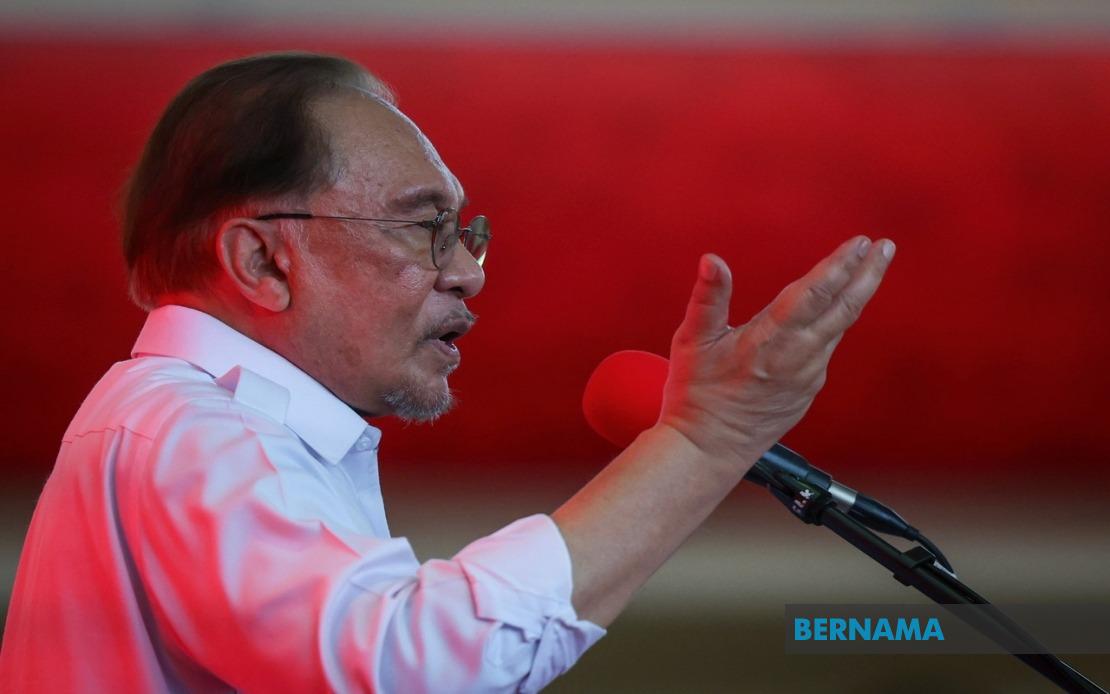
Prime Minister Datuk Seri Anwar Ibrahim has indicated the Cabinet will reach a definitive decision this Wednesday on whether to release the Royal Commission of Inquiry report concerning Lembaga Tabung Haji, addressing longstanding public curiosity about the findings of a major financial investigation. Speaking in Tampin on July 27, Anwar framed the anticipated disclosure as part of his government's commitment to openness while respecting constitutional boundaries and the independent roles of investigative and prosecutorial agencies.
The Tabung Haji inquiry has generated considerable scrutiny and debate among Malaysian stakeholders, centring on allegations that the Islamic pilgrimage fund engaged in the disposal of its strategic properties under circumstances that warrant examination. The government's handling of the eventual findings has become a test case for how the current administration balances transparency demands with procedural correctness, particularly given the pilgrimage savings scheme's importance to millions of Muslim Malaysians who have contributed to it over decades.
Anwar's comments signal that after months of deliberation, a tipping point has been reached within the executive. The Prime Minister acknowledged ongoing discussion within government circles about the appropriate course of action, suggesting that releasing the report represents the preferred path forward. His framing suggested frustration with continued delays, emphasizing that if investigations have uncovered wrongdoing, the system has mechanisms to address it, whilst conversely, if no culpability is established, transparency would vindicate those involved.
The constitutional architecture underpinning Anwar's position reflects Malaysia's separation of powers doctrine. He articulated a clear demarcation between the Prime Minister's office and the independent functions of investigative authorities, the Attorney General's prosecution powers, and judicial determination of guilt or innocence. This framework carries particular significance in the Malaysian context, where past governments have occasionally blurred these boundaries, and rebuilding institutional confidence remains an ongoing challenge for the current administration.
The Tabung Haji case touches on matters of considerable sensitivity within Malaysia's Muslim community and broader financial governance. The pilgrimage fund manages billions in savings accumulated by working Malaysians, many of whom depend on these funds for their annual hajj journey. Any mismanagement or improper asset transactions would represent a betrayal of public trust and necessitate accountability measures proportionate to the severity of findings. Conversely, unsubstantiated allegations that remain hidden fuel public speculation and erode confidence in institutional integrity.
Anwar's insistence that the report should reach public view aligns with his government's stated modernization agenda. Since assuming office, the current administration has positioned itself as more transparent than its predecessors, though it has faced periodic criticism for delays in releasing sensitive documents. The Tabung Haji inquiry represents a significant test of this commitment; withholding a completed investigation into a public institution managing billions in Islamic savings would contradict stated principles and invite accusations of selective transparency.
The Cabinet's involvement in the decision underscores the formal nature of the process. Rather than an individual ministerial determination, the inquiry's release requires collective executive consideration, suggesting the government views this as a matter warranting careful collective judgment. The Cabinet meeting scheduled for Wednesday will provide the appropriate forum for weighing competing considerations, including any legal advice regarding potential implications of disclosure.
For Malaysia's financial sector and regulatory environment, the timing and content of the Tabung Haji report carry implications beyond the specific institution. The inquiry's findings will likely influence how future investigations into major financial entities are conducted and disclosed, potentially setting precedents for government transparency regarding institutional accountability. This precedent effect extends across Southeast Asia, where neighbouring countries watch Malaysian governance developments closely.
The pilgrimage fund's strategic asset sales have attracted particular scrutiny given broader conversations about sovereign wealth management and public financial stewardship across Islamic-majority economies. The circumstances surrounding property transactions and their valuation have generated questions about whether appropriate market processes were followed and whether asset transfers reflected fair value exchanges. These questions transcend Tabung Haji itself, touching on broader governance expectations for entities managing public funds.
Anwar's commitment to allowing the report's publication, contingent on Cabinet approval, represents a practical compromise between immediate full disclosure and indefinite suppression. This approach respects institutional procedures while signalling executive intent to move toward transparency. For Malaysians awaiting clarity on matters affecting the pilgrimage savings scheme and institutional accountability more broadly, the Wednesday Cabinet decision will substantially clarify the government's commitment to the transparency principles it has publicly espoused.
The intersection of religious trust, public financial management, and institutional accountability that the Tabung Haji inquiry represents makes its eventual disclosure consequential for Malaysia's ongoing governance evolution. The Cabinet's imminent decision will demonstrate whether the current government's transparency rhetoric translates into concrete action when politically and institutionally sensitive matters are involved, providing insight into how subsequent investigations and inquiries may be handled throughout this administration.

