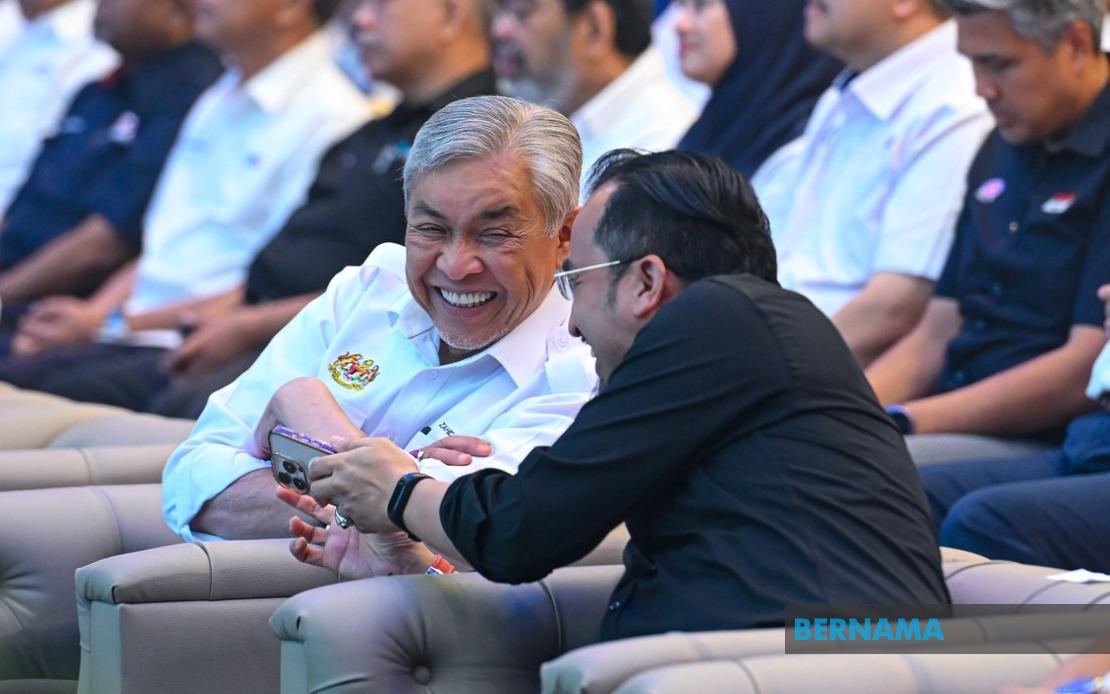
The Malaysian Cabinet has endorsed a proposal to broaden the timeframe of the Royal Commission of Inquiry report on Lembaga Tabung Haji (TH), shifting from its original endpoint of 2020 to encompass developments through 2022 and the subsequent handover to new leadership. This expansion, announced by Deputy Prime Minister Datuk Seri Dr Ahmad Zahid Hamidi in Seremban, seeks to evaluate whether recovery initiatives—including asset restructuring and liquidation efforts—have aligned with the RCI's original recommendations. The decision reflects a strategic effort to provide policymakers and the public with a complete picture of institutional performance across a critical eight-year window that captures both the period under scrutiny and the subsequent remedial actions taken in response.
The significance of extending the RCI's review scope lies in its potential to assess whether management changes at TH have yielded measurable improvements in the fund's financial position and governance structures. By including the transition period under new stewardship, the Cabinet aims to demonstrate that corrective measures recommended by the inquiry have been meaningfully implemented rather than shelved. This approach acknowledges that identifying problems is insufficient without demonstrating concrete follow-through on solutions, particularly for an institution entrusted with the savings of millions of Malaysian Muslim pilgrims.
Ahmad Zahid, who serves concurrently as Rural and Regional Development Minister, clarified that the expanded scope would enable comprehensive evaluation of asset management strategies deployed after the formal investigation concluded. The extension to include the new management phase represents a shift in how the government intends to present institutional accountability to its stakeholders. Rather than allowing the original RCI findings to stand as a historical document, this move positions the report as a bridge between identifying failures and measuring the success of implemented reforms, creating a narrative of institutional renewal.
Another critical dimension of the Cabinet decision involves declassifying and releasing the report to the public—a move that has been delayed for approximately three years due to concerns about triggering deposit withdrawals from TH. Ahmad Zahid acknowledged that disclosure fears previously outweighed transparency imperatives, but the government now judges the timing and institutional conditions appropriate for public access. This reversal signals confidence that TH's current financial position and investor confidence have stabilized sufficiently to withstand scrutiny without triggering the panic withdrawals that earlier administrations feared.
The planned parliamentary debate on the RCI report at a special Dewan Rakyat sitting will provide lawmakers with an opportunity to examine findings and recovery efforts in detail. This forum also allows elected representatives to question government officials and TH leadership about remedial actions and future strategic directions, converting the RCI report from an administrative document into material for legislative scrutiny. Communications Minister Datuk Seri Fahmi Fadzil confirmed that declassification and public release would occur following Cabinet approval, underscoring the administration's commitment to information openness regarding significant state institutions.
Prime Minister Datuk Seri Anwar Ibrahim has expressed confidence in the Cabinet's endorsement of the transparency proposal, framing public disclosure as consistent with government commitments to accountability and institutional reform. This backing from the highest executive level reinforces that the decision reflects considered policy rather than bureaucratic routine, signaling to Tabung Haji stakeholders that senior leadership stands behind the evaluation and disclosure process. The Prime Minister's confidence also suggests that the expanded RCI scope and subsequent public release carry no expectation of embarrassing revelations about the current government, indicating relative satisfaction with post-2020 institutional performance.
For Malaysian pilgrims and TH depositors, the expanded review carries direct practical implications beyond institutional transparency. Ahmad Zahid emphasized that recovery measures should strengthen TH's capacity to mitigate rising hajj costs, which have escalated from RM9,980 per pilgrim to higher levels due to increased airfares, accommodation fees, and ground handling expenses. The Cabinet hopes that improved operational performance and stronger investment returns under new management will translate into dividend distributions and bonus payments that can help offset the substantial increases in hajj expenses for pilgrims, many of whom belong to lower-middle-income segments of Malaysian society.
The government's framing of the RCI report as non-punitive and focused on recommendations rather than blame reflects a deliberate effort to depoliticize institutional scrutiny. Ahmad Zahid's comment that the report "should not be politicised, especially with this Saturday being an important day for Negeri Sembilan" suggests awareness that disclosure could generate political controversy, particularly around state-level electoral considerations. By pre-emptively characterizing the RCI findings as technical rather than politically charged, the Cabinet attempts to establish boundaries around how opposition parties and media might interpret and amplify critical findings.
The timing of the report's release also intersects with broader government efforts to restore public confidence in state institutions following periods of governance challenges. By demonstrating willingness to publicize institutional investigations and subsequent corrective measures, the administration signals commitment to a governance model that values transparency and accountability. This positioning becomes particularly relevant for Malaysian voters assessing whether the current government delivers meaningfully different institutional practices compared to previous administrations.
Stakeholders across Southeast Asia have watched Tabung Haji's performance closely, as Islamic financial institutions throughout the region face similar challenges in balancing religious obligations with fiduciary responsibilities and commercial viability. Malaysia's approach to examining TH's governance challenges and recovery efforts may offer regional lessons regarding institutional reform, stakeholder communication, and the integration of Shariah principles with contemporary financial management practices. The decision to publicize findings and debate them legislatively reflects a regional perspective on Islamic finance that emphasizes transparency and public accountability alongside religious compliance.
Looking forward, the Cabinet's decision commits the government to implementing recommendations arising from the expanded RCI scope, with particular emphasis on measures affecting pilgrim welfare and institutional financial health. The public release and parliamentary debate will establish benchmarks against which the government's subsequent actions can be assessed, converting the RCI report into an accountability mechanism rather than merely an investigative exercise. For TH depositors and hajj pilgrims, this transparency framework offers some assurance that institutional problems identified through formal inquiry will receive attention proportionate to their significance and implications for beneficiary interests.

