%22%2F%3E%3C%2Fpattern%3E%3C%2Fdefs%3E%3Crect%20width%3D%22100%25%22%20height%3D%22100%25%22%20fill%3D%22url(%23ph10k96g)%22%2F%3E%3Crect%20width%3D%22100%25%22%20height%3D%22100%25%22%20fill%3D%22url(%23ph10k96p)%22%2F%3E%3Ctext%20x%3D%2250%25%22%20y%3D%2250%25%22%20text-anchor%3D%22middle%22%20dominant-baseline%3D%22central%22%20fill%3D%22rgba(255%2C255%2C255%2C0.95)%22%20font-family%3D%22Georgia%2C%20'Times%20New%20Roman'%2C%20serif%22%20font-weight%3D%22700%22%20font-size%3D%22272%22%20letter-spacing%3D%22-0.02em%22%3EBukit%3C%2Ftext%3E%3C%2Fsvg%3E)
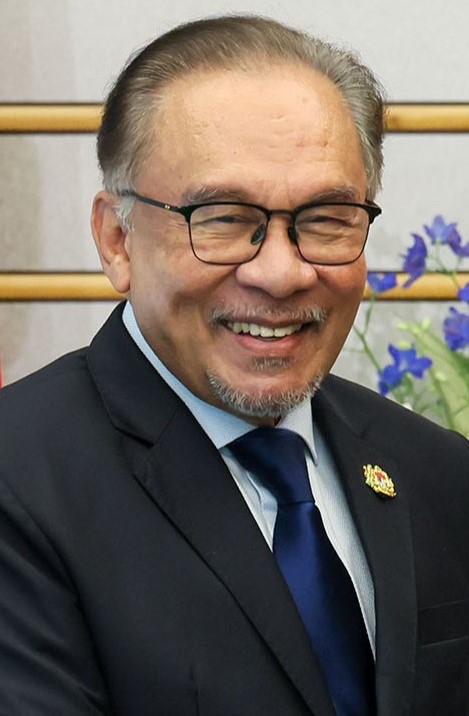
The Malaysian government has taken decisive action to resolve the long-standing housing crisis affecting Bukit Kiara Longhouse residents, with Prime Minister Datuk Seri Anwar Ibrahim formally breaking ground on a permanent residential development project in Kuala Lumpur. The initiative represents a watershed moment for an urban community that has endured nearly five decades of housing uncertainty and legal battles to secure dignified living conditions.
Human Resources Minister Datuk Seri R. Ramanan, who represents Sungai Buloh in Parliament, characterised the resolution as emblematic of the government's resolve to address social inequalities without deferring hardship to future generations. The minister emphasised that decisive action on such longstanding grievances demonstrates institutional commitment to protecting the rights of Malaysia's most vulnerable populations, particularly those residing in urban centres where informal settlements and overcrowded conditions persist despite economic development.
Each eligible household within the Bukit Kiara Longhouse community will receive two new residential units at no cost, a provision that Ramanan described as transformative for families struggling within Malaysia's urban poverty ecosystem. This approach contrasts with conventional resettlement models that typically burden relocated residents with mortgage obligations or rental commitments, potentially perpetuating cycles of financial vulnerability among economically disadvantaged groups.
The government has signalled its continuing investment in the project's long-term viability by pledging an additional RM1 million to Kuala Lumpur City Hall for area maintenance across a three-year horizon. This supplementary commitment underscores recognition that successful resettlement extends beyond initial housing construction to encompass sustained infrastructure development, community services, and environmental stewardship. Ramanan acknowledged the financial scale while emphasising the profound human dimension, noting that the initiative's real significance lies in improving material conditions for residents who have endured extended periods of housing insecurity.
The pathway to resolution has been protracted and contentious, involving more than forty years of uncertainty before residents' legal representatives successfully mounted substantive challenges beginning in 2018. This extended timeline reflects the complexities inherent in urban land disputes within Malaysia, where competing interests—developmental aspirations, environmental conservation, and community welfare—frequently collide. The fact that resolution ultimately prioritised resident welfare without compromising ecological protection at Taman Rimba Kiara demonstrates that balanced outcomes remain achievable despite initial incompatibility between development and conservation objectives.
Earlier development proposals for the Bukit Kiara precinct had threatened the biodiversity and recreational value of Taman Rimba Kiara, a green space significant for Kuala Lumpur's urban ecology. The final settlement preserved this conservation area while advancing the housing project, suggesting that planners successfully identified alternative configurations that reconciled competing land-use demands. This represents a meaningful departure from patterns where informal communities are systematically displaced to accommodate commercial or recreational development without equivalent social returns.
The Bukit Kiara Longhouse situation exemplifies broader challenges confronting Malaysia's urban governance frameworks. Rapid metropolitan expansion and migration from rural regions have created pockets of informal settlement throughout major cities, where residents lack secure tenure and adequate housing standards. These communities typically remain invisible in official statistics and policy discussions until crises catalyse intervention, meaning that residents often experience years of bureaucratic inertia before governments acknowledge their circumstances.
For Malaysian policymakers, the Bukit Kiara resolution offers instructive lessons about the feasibility of inclusive urban development. Rather than perpetuating displacement patterns that relocate poverty to peripheral zones while centralising commercial interests, this initiative demonstrates that government can recalibrate land allocation to accommodate existing residents. The approach requires political will and creative urban planning, but produces superior social outcomes compared to conventional resettlement frameworks that disperse communities and sever social bonds.
The broader implications extend across Southeast Asia, where comparable housing challenges affect urban populations in rapid-growth economies. Malaysia's experience suggests that resolving decades-old disputes requires judicial engagement, sustained political commitment, and institutional coordination between multiple agencies. The timeline—from 2018 legal action to 2024 groundbreaking—illustrates that meaningful progress, while achievable, demands patience and systematic advocacy from affected communities and civil society advocates.
Ramanan's emphasis on preventing intergenerational perpetuation of injustice resonates within Malaysia's contemporary political discourse, where inclusive development and equitable resource distribution have gained prominence in national conversations. The minister's framing suggests that government effectiveness should be measured not merely by economic growth metrics but by tangible improvements in living standards for marginalised populations. This philosophical orientation, if sustained through implementation, could reshape urban policy priorities toward greater attention to informal communities currently underserved by municipal governance systems.
Looking forward, the Bukit Kiara Longhouse project will require careful execution to deliver promised housing quality, community services, and maintenance standards. Successful implementation will establish precedent for addressing comparable disputes elsewhere in Malaysia, while failure would reinforce scepticism among communities doubting government's genuine commitment to equitable development. The initiative therefore carries significance extending far beyond Kuala Lumpur's boundaries, potentially influencing how other Malaysian cities approach informal settlement challenges and urban poverty reduction strategies moving forward.