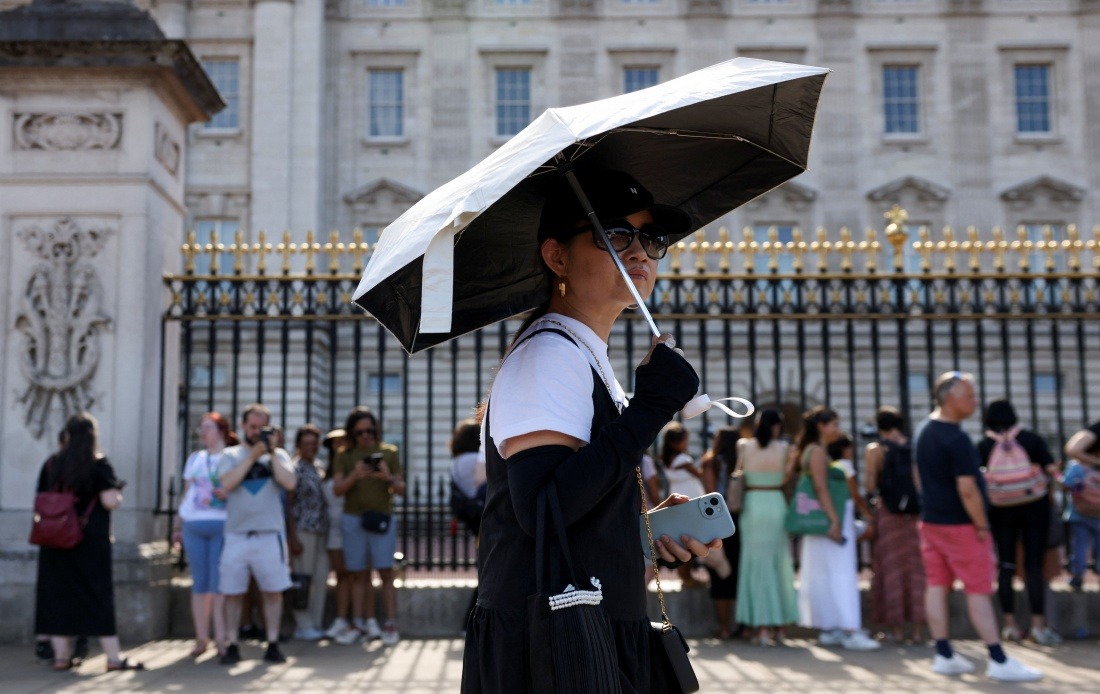
The United Kingdom's Household Division has taken the extraordinary step of suspending ceremonial guard operations across London and Windsor, including the iconic changing of the guard at Buckingham Palace, as an intense heatwave threatens to break June temperature records. The decision underscores growing concerns about public safety and the welfare of military personnel and animals during what forecasters describe as exceptionally dangerous weather conditions.
The cancellation applies to Tuesday, Wednesday, and Thursday of this week, with no ceremonial guard changes scheduled during this critical period. The move represents a significant disruption to one of Britain's most recognisable tourist attractions, which normally draws thousands of visitors daily. The Household Division's statement prioritised the wellbeing of soldiers, military working horses, and large crowds expected to gather for these events, signalling that even ceremonial traditions must yield to genuine health threats.
The United Kingdom's Met Office issued a rare red weather warning for southern England and Wales on Monday, indicating severe risk from extreme heat. Temperatures are predicted to reach 39 degrees Celsius on Wednesday and Thursday, with some regions potentially recording even higher readings. Such forecasts are highly significant for a nation unaccustomed to sustained extreme heat, where most buildings, public infrastructure, and emergency services are designed for cooler climates.
Where ceremonial operations cannot be entirely avoided, the military has implemented modified protocols to reduce risk. The Royal Horse Guards' changing ceremony on Wednesday will proceed, but substantially earlier in the morning to avoid peak heat hours and without the standard pageantry that characterises these events. Soldiers will be positioned in shaded areas and rotated more frequently to prevent heat-related medical emergencies. These adjustments reflect careful risk management whilst attempting to maintain some continuity of tradition.
The heatwave's impact extends far beyond ceremonial London into the broader fabric of British society. Local authorities across southern England have been forced to close hundreds of schools, an indication of how dangerously unsuitable standard facilities become during extreme heat. Somerset county council announced that approximately 100 schools would remain closed throughout the heatwave period. Buckinghamshire reported similar numbers, while Gloucestershire suspended classes in more than 80 schools. These closures affect tens of thousands of students and families across regions designated within the red weather warning zone.
London itself, despite being the nation's capital, has seen nearly ten major schools opt to cancel in-person lessons. This cascading effect across education, tourism, and public services demonstrates the systemic vulnerability of British infrastructure and routines to heat stress. Unlike countries in Southeast Asia or the Middle East accustomed to managing extreme temperatures, the UK lacks widespread air conditioning in schools, offices, and public transport, making sustained heat exposure genuinely dangerous for vulnerable populations including children and the elderly.
The heatwave represents a stark reminder of climate change impacts increasingly visible in regions historically characterised by moderate, temperate weather. June heat records being broken in the United Kingdom would have been virtually unthinkable a generation ago. For Malaysian observers, the British response to extreme weather offers both contrast and cautionary lessons. While tropical nations have long-standing experience managing heat and humidity, the psychological and infrastructural shock of unprecedented temperatures even in traditionally cool regions underscores the accelerating nature of climate disruption globally.
The military's decision to prioritise personnel and animal welfare reflects evolving standards around occupational health and duty of care. The inclusion of military working horses in the decision-making process is particularly notable, acknowledging that animals in ceremonial roles cannot communicate distress effectively and remain vulnerable to heatstroke. This consideration demonstrates how extreme weather forces reassessment of longstanding practices and traditions, even those central to national identity and pageantry.
For tourists and visitors planning trips to London during this period, the guard changes cancellation represents a significant disappointment, as this ceremony typically features prominently in travel itineraries. However, the decision ultimately prioritises public safety over visitor experience. Emergency services across affected regions are preparing for increased demand from heat-related medical emergencies, with hospitals and ambulance services mobilising additional resources.
The situation also highlights infrastructure challenges facing developed nations in adapting to climate change. Investment in cooling facilities, early warning systems, and public awareness campaigns becomes increasingly critical as historical weather patterns shift. Britain's experience this week will likely inform policy discussions about climate resilience and emergency preparedness across similar temperate-climate nations.

