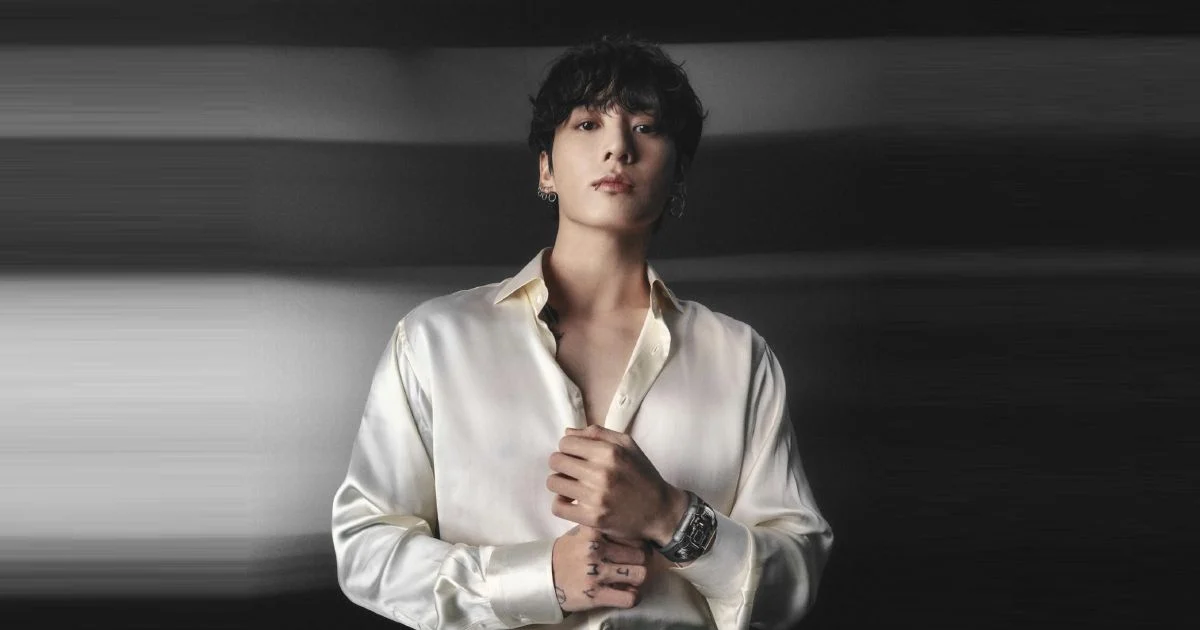
A Brazilian national who conducted an intensive and alarming harassment campaign against BTS member Jungkook has been handed a suspended jail sentence by South Korean courts, with authorities now preparing deportation proceedings against her. The relentless stalking behaviour, which included pressing the superstar's doorbell button 133 times within the span of one day alone, represents one of the more extreme instances of obsessive fan conduct documented in recent years involving K-pop celebrities.
The severity of the case underscores the growing problem of celebrity stalking in South Korea's entertainment industry, where the combination of intense fandom culture and proximity to stars' residential locations has created conditions for harassment to flourish. The woman's actions went far beyond typical fan enthusiasm, crossing multiple legal boundaries that prompted intervention from law enforcement and the judiciary. Her behaviour violated police warnings issued on several occasions and contravened a court-issued exclusion order designed to keep her away from Jungkook's residence and immediate surroundings.
The incident highlights a troubling trend affecting not only Jungkook but numerous K-pop idols who increasingly find their privacy compromised by fans who blur the line between admiration and criminal conduct. For Malaysian and regional audiences who follow BTS and other Korean entertainment acts, this case provides sobering context about the challenges even globally celebrated artists face in maintaining personal safety. The seven-member boy band has consistently ranked among the world's most popular music groups, attracting devoted followings across Southeast Asia and beyond, yet their prominence has paradoxically exposed members to heightened security risks.
What distinguishes this particular case is the calculated persistence demonstrated by the Brazilian stalker. Rather than isolated incidents of trespassing or harassment, the pattern involved deliberate, systematic attempts to contact Jungkook at his private residence. The 133 doorbell rings in a single day represented not a moment of poor judgment but rather a methodical campaign designed to force interaction or acknowledgment. Such behaviour demonstrates the psychological distress that can accompany obsessive attachment to celebrities, raising questions about mental health support services for individuals struggling with parasocial relationships.
The court's decision to impose a suspended sentence rather than immediate imprisonment reflects South Korean judicial practice in cases involving first-time offenders, yet the conditions attached to the suspension are stringent. The woman must now navigate deportation proceedings, which will likely result in permanent removal from South Korea and potential restrictions on future visa applications. Such consequences fundamentally alter her circumstances, effectively severing her ability to maintain proximity to the object of her obsession and signalling to other potential stalkers that South Korean authorities take such violations extremely seriously.
For the K-pop industry and entertainment sector broadly, this case reinforces the necessity for enhanced security measures protecting artists' residences and personal spaces. BTS members, despite their unparalleled global reach and commercial success, remain vulnerable to harassment when off-duty. The group's management agency, HYBE, has increasingly invested in security infrastructure and coordinated with law enforcement to establish protective perimeters around members' homes. Yet even with these precautions, determined individuals can penetrate defences, as this Brazilian woman's actions demonstrated.
The broader implications for celebrity safety protocols extend across the region. Malaysian entertainment figures, while operating in a different market context than Korean superstars, face similar vulnerabilities as their international fame grows. The precedent established through this prosecution may influence how Southeast Asian law enforcement approaches comparable cases involving international celebrities or locally beloved entertainers. South Korea's decisive legal action sends a message that stalking and harassment, regardless of the perpetrator's citizenship status or professed fan motivation, will result in serious consequences.
The woman's initial warnings from police and subsequent violations suggest a troubling pattern of escalation despite institutional intervention. Rather than deterring her behaviour, official warnings appeared only to temporarily slow her activities before resumption. This pattern frustrates both law enforcement and judicial systems tasked with protecting public figures, as it reveals gaps between warning and enforcement mechanisms. The evolution from police intervention to court orders to eventual jail sentencing and deportation reflects the exhaustion of increasingly stringent legal remedies.
For Jungkook and his fellow BTS members, this resolution provides some measure of closure on a distressing ordeal. Yet similar cases involving other K-pop stars continue emerging, suggesting this represents merely one manifestation of a systemic challenge within the industry. The emotional labour of navigating fame while maintaining reasonable privacy expectations remains unequally distributed, with artists bearing disproportionate responsibility for managing fan behaviour rather than society implementing comprehensive preventative frameworks.
The suspended sentence coupled with deportation represents a compromise between accountability and pragmatism within South Korea's criminal justice system. The woman will avoid incarceration, yet faces irreversible consequences through removal from the country. For Brazilian authorities and international audiences, the case demonstrates South Korea's commitment to protecting even international celebrities within its jurisdiction. As K-pop's global influence continues expanding, particularly across Southeast Asian markets where artists like BTS maintain devoted fanbases, establishing clear legal precedents regarding stalking and harassment becomes increasingly vital for industry sustainability and artist welfare.

