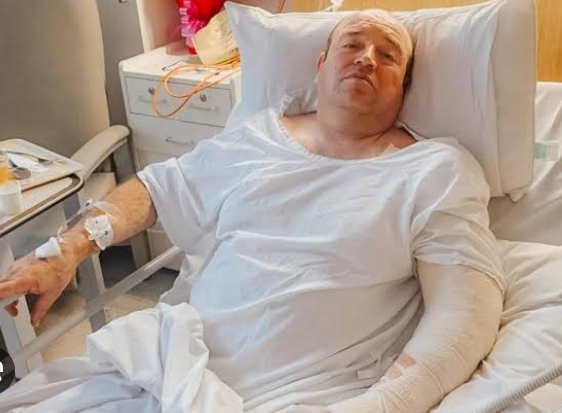
The story of Ahmed al Ahmed took a troubling turn this week when the Sydney fruit seller appeared in Bankstown court to face charges of common assault and domestic stalking or intimidation related to his father. Al Ahmed, now 44, became a global symbol of ordinary courage when video footage captured him rushing toward gunfire on Bondi Beach on December 14 last year, ducking between parked vehicles to confront one of two armed attackers and successfully wrestle away his weapon. That split-second decision, made amid the chaos of a mass shooting that would ultimately claim 15 lives at a Jewish festival gathering, catapulted him from anonymity to international recognition and framed him in the global consciousness as a hero willing to risk his own safety for strangers.
Yet his appearance in court this week reveals a starkly different reality unfolding behind the public applause. Al Ahmed has denied all charges against him, according to court documents filed with Australian Federal Police. His legal team, led by lawyer Mohamad Sakr, emphasised the importance of maintaining the presumption of innocence as the case proceeds through the judicial system. Sakr told assembled journalists outside the courtroom that Al Ahmed faces circumstances no family should endure, describing the situation as fundamentally unexpected and deeply troubling for a man already bearing the psychological and physical wounds of the shooting incident itself. The legal proceedings are scheduled to continue with a hearing set for August 12.
The Bondi Beach attack on December 14 marked one of Australia's deadliest mass shootings in recent years, and Al Ahmed's intervention became a defining moment in the broader narrative surrounding the tragedy. Footage showing him pushing through the pandemonium, ignoring his own safety and the active threat of gunfire, resonated globally as an example of civilian heroism in the face of unimaginable violence. The international attention that followed transformed him into a recognisable figure, leading Prime Minister Anthony Albanese to meet with him personally and acknowledge his actions. This elevated public profile, however, appears to have complicated his private life considerably.
The financial dimension of Al Ahmed's story adds another layer of complexity to his current predicament. Following the attack, a fundraising campaign established in his name accumulated more than A$1 million from donors worldwide who wished to support him. This substantial sum, intended as recognition for his bravery and assistance with recovery, has apparently become a point of contention within his family. Last month, his two brothers found themselves facing their own court appearances in Sydney, accused of attempting to pressure Al Ahmed into distributing portions of the fundraised money to them. Local media reports suggested the brothers had engaged in coercive behaviour to secure access to the funds, adding familial discord to Al Ahmed's already complicated circumstances.
The convergence of these circumstances paints a portrait of an individual whose moment of public heroism has become entangled with private family conflict. Al Ahmed sustained gunshot wounds during the Bondi Beach incident, injuries that would naturally require physical recovery and ongoing medical support. Beyond the visible wounds, survivors of mass shooting events typically face significant psychological trauma that can manifest in various ways, including altered family dynamics and increased interpersonal tension. The stress of legal proceedings, unwanted media scrutiny, and the sudden transformation from private citizen to public figure places additional strain on relationships that may already be fragile.
For Malaysian and Southeast Asian observers, the Al Ahmed case offers several points of reflection. It underscores the complex relationship between public heroism and private struggle, a reality that extends across all cultures and societies. The accumulation of A$1 million in fundraising donations, while demonstrating genuine public appreciation, simultaneously creates complications that crowdfunding campaigns rarely anticipate or adequately address. The involvement of immediate family members in disputes over accessed funds suggests that sudden financial windfalls, however well-intentioned, can destabilise family relationships rather than strengthen them.
The case also illustrates how mass trauma events ripple far beyond the immediate victims and sites of violence. Al Ahmed's decision to act heroically came at a cost he continues to bear—not only the physical injuries from gunshot wounds, but the loss of anonymity and privacy that accompanies global recognition. His family members, who played no role in his courageous intervention, have been drawn into legal and financial disputes that might have remained private matters. This collateral damage to family structures following major violent incidents deserves greater attention from mental health professionals and support services.
The presumption of innocence that Sakr emphasised remains a cornerstone of the Australian legal system and applies equally to Al Ahmed despite his heroic reputation. The charges he faces—common assault and domestic intimidation—will be adjudicated on evidence and testimony, not on the basis of his actions on Bondi Beach. However, the public perception challenge he faces is substantial. A man celebrated for intervening to prevent violence now confronts allegations of committing violence himself, a jarring contradiction that will likely influence how the media and public interpret the proceedings.
The next phase of the legal process, commencing with the August 12 hearing, will determine the trajectory of these charges. What remains clear is that Al Ahmed's story, initially one of civilian courage under extraordinary pressure, has become a more complicated narrative about the hidden costs of heroism and the vulnerability of personal relationships to external stressors. His case serves as a reminder that those who act selflessly in moments of crisis deserve not only public recognition but also sustained practical and psychological support that protects both their wellbeing and their family relationships.

