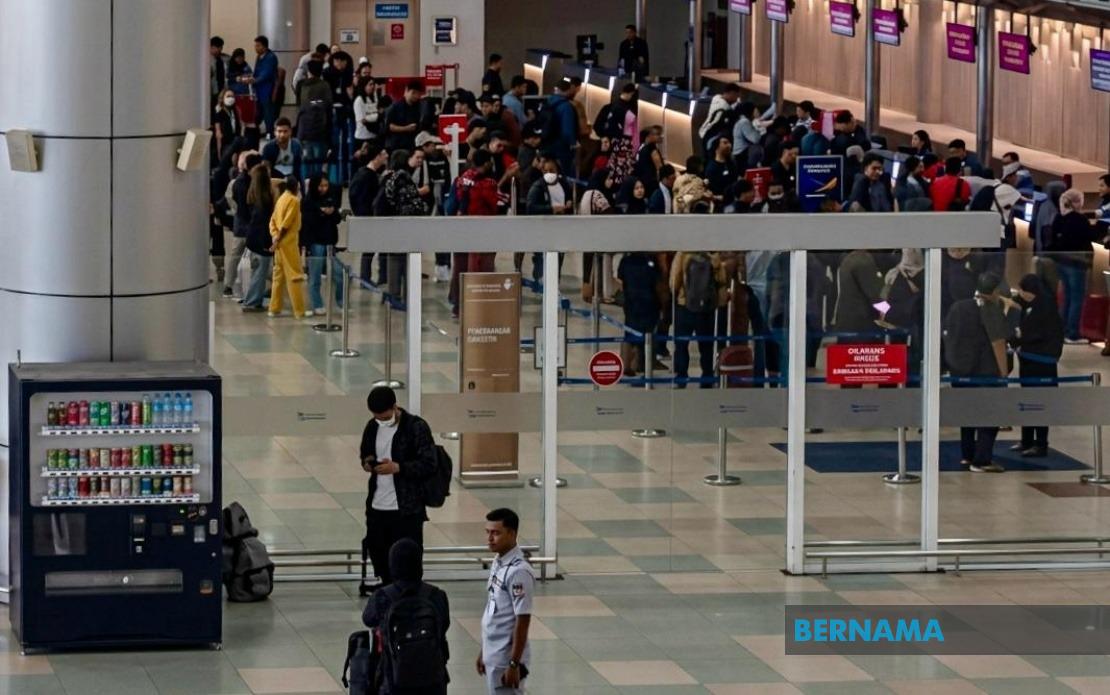
Labuan Airport halted all runway operations on Wednesday, June 26, after authorities discovered explosive devices in proximity to the active flight path, triggering a cascade of disruptions across the airport's domestic flight network. The Royal Malaysian Air Force issued an official Notice to Airmen at 5pm, formally closing the runway pending completion of safety procedures and clearance from inspection teams. The discovery, located approximately 150 metres from the runway itself, prompted joint assessment efforts involving the RMAF and airport management, who prioritised securing the airfield before resuming commercial services.
The timing of the discovery created immediate operational chaos for scheduled departures and arrivals. At least five flights departing between 4.05pm and 7.25pm fell directly under the suspension, with destinations including Kuala Lumpur, Kota Kinabalu and Miri left stranded or forced to seek alternatives. Airlines operating from the facility faced the difficult task of rerouting aircraft, adjusting schedules and managing passenger expectations amid the unfolding security situation. The cascading effect rippled across the wider Sabah-Sarawak aviation network, as aircraft intended for Labuan were diverted to secondary airstrips and connecting services faced compression.
For travellers caught in the disruption, the situation presented both logistical and financial challenges. Passengers with bookings on affected services were left with limited information during the critical first hours, as airlines scrambled to communicate revised arrangements. Labuan, serving as a vital link between the federal territory and major urban centres on Borneo, plays an outsized role in regional connectivity relative to its size. The sudden closure underscored the vulnerability of relatively smaller regional airports to security incidents, where single-runway infrastructure means total operational shutdown rather than partial degradation of capacity.
The discovery pattern and response mechanism point to the heightened security vigilance maintained across Malaysian aviation infrastructure. The proximity of explosives to an active runway—rather than discovery in a more remote area—suggests either recent placement or enhanced detection protocols that caught items before they posed active threats. The RMAF's rapid issuance of formal closure notices demonstrates established protocols for such contingencies, though the practical impact on passengers remained severe regardless of procedural efficiency.
Labuan's strategic importance to East Malaysian connectivity makes prolonged closures particularly costly. The federal territory functions as a transit hub for business travellers, particularly those engaged in the oil and gas sector that underpins much of Labuan's economy. Airlines operating the route, which typically include Malaysia Airlines and regional carriers, depend on consistent access to maintain commercial viability on these thinner routes. Extended disruptions can trigger cascading financial losses, prompting some carriers to explore alternative hub arrangements or reduce frequency.
The incident occurred without publicly disclosed details regarding the nature of the explosives, their origin, or how they came to be positioned near the runway. Such information gaps, while sometimes necessary during active investigation phases, generate passenger anxiety and media speculation. Malaysian authorities have historically managed similar situations with measured public communication, balancing transparency with operational security needs during ongoing assessment work.
For Malaysian travellers and businesses relying on regional air services, the closure illustrated the fragility of aviation connections in smaller markets. Unlike major hubs such as Kuala Lumpur International Airport, which maintain redundant systems and multiple runway configurations to absorb disruptions, facilities like Labuan operate with tighter margins. A single incident can eliminate all capacity, affecting not just passengers but supply chains dependent on air cargo and time-sensitive business travel.
The reactivation timeline remained uncertain as inspection teams undertook their joint assessment. Standard procedures in such situations typically involve comprehensive runway surveys, perimeter checks, and security verification before authorities issue clearance. The RMAF's involvement alongside civilian airport management suggested coordination across military and civilian aviation authorities, a prudent approach given potential security implications. Transparency regarding reopening timelines would prove crucial for passenger confidence and business continuity planning among affected stakeholders.
This incident adds to the growing list of aviation security challenges faced by Southeast Asian airports in recent years. While commercial aviation remains statistically among the safest transportation modes, isolated incidents at regional facilities can generate disproportionate disruption. For Malaysia, which has invested substantially in aviation infrastructure to support economic growth across distributed regional centres, managing security without excessive friction remains an ongoing balancing challenge. The Labuan situation underscores that even well-established security frameworks require continuous vigilance and that emergent threats can materialise at facilities of any size across the network.

