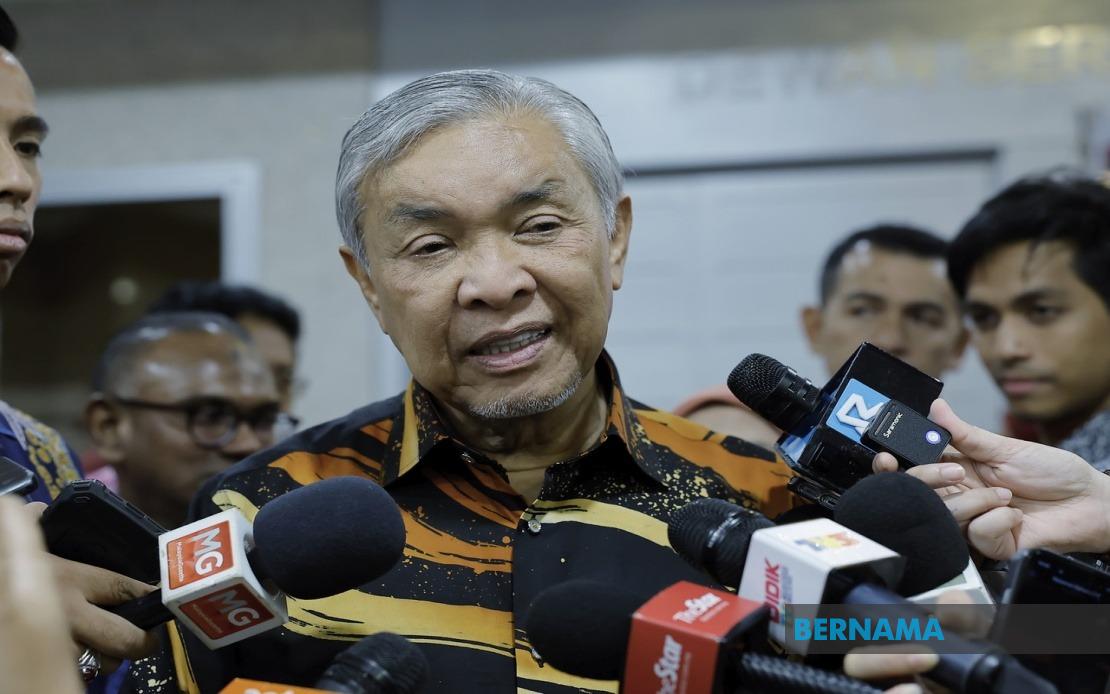
Barisan Nasional and UMNO will not accept breaches of trust or mismanagement involving Lembaga Tabung Haji, according to BN chairman Datuk Seri Dr Ahmad Zahid Hamidi, who doubled down on his party's commitment to accountability within government institutions. Speaking in Putrajaya on August 6, Ahmad Zahid, who also serves as Deputy Prime Minister, stressed that wrongdoing within government agencies and statutory bodies cannot be overlooked and those responsible must face consequences.
The warning comes as Parliament prepares for a special session on August 11 to scrutinise the findings of the Royal Commission of Inquiry into Tabung Haji's operations. Released on July 29, the RCI report has outlined a troubling picture of the pilgrim fund's management over the 2014-2020 period, identifying suspicious transactions and deliberate information concealment that contributed to a severe erosion of the organisation's asset base.
Ahmad Zahid's unequivocal stance reflects mounting pressure on the government to demonstrate decisive action following the RCI's revelations. The inquiry, which examined a period spanning six years, uncovered practices that raised serious questions about governance standards within one of Malaysia's most significant Islamic institutions. The scale of asset depreciation at Tabung Haji has prompted widespread concern among Muslims across the country, given the fund's crucial role in facilitating pilgrimage savings for millions of Malaysians.
The forthcoming parliamentary session represents a critical juncture for the current administration, offering an opportunity to address public concerns about institutional oversight and leadership. The RCI's recommendation for a forensic audit into previous investment decisions suggests that some transactions warrant detailed financial investigation, potentially exposing further irregularities or poor judgment that contributed to the fund's diminished financial position.
For Malaysian investors and savers within the Tabung Haji system, the RCI findings have created understandable anxiety about the safety and management of accumulated funds. Many participants have accumulated savings over decades, viewing their contributions as secure vehicles for fulfilling their religious obligations while maintaining capital. The discovery of suspicious transactions threatens confidence in the institution's integrity and raises questions about whether past management adequately protected member interests.
The significance of this controversy extends beyond Tabung Haji itself, serving as a bellwether for governance standards across Malaysia's entire statutory body landscape. If senior officials at a major pilgrim fund can engage in questionable practices without adequate oversight, it raises troubling implications about control mechanisms across other government-linked organisations. This broader concern will likely shape the tenor of parliamentary debate and influence subsequent policy responses.
Ahmad Zahid's emphasis on non-compromise represents an attempt to position BN and UMNO as uncompromising custodians of institutional integrity, a message directed toward both Muslim voters concerned about Tabung Haji's management and the broader electorate expecting transparency. However, the credibility of such pledges depends heavily on the speed and thoroughness with which investigations proceed and whether any prosecutions result in meaningful consequences for individuals identified as responsible.
The RCI's forensic audit recommendation will require substantial resources and expertise, particularly given the complexity of investment portfolios and the potential involvement of external financial advisors. Malaysian authorities will need to determine whether lapses resulted from negligence, incompetence, or intentional wrongdoing, each carrying different implications for personal accountability and institutional reform.
Sectors within Malaysia's financial and investment community will be closely monitoring how authorities handle the Tabung Haji investigation, as it may set precedents for investigating similar issues at other statutory bodies. The messaging around governance failures at major institutions can either strengthen confidence in Malaysia's regulatory framework or, if handled poorly, deepen public scepticism about accountability mechanisms.
Looking ahead to the August 11 parliamentary session, lawmakers will likely demand detailed explanations about how such problems could emerge and persist within a major institution. The session offers an opportunity for the government to outline concrete remedial measures, enhanced oversight mechanisms, and personnel changes that would restore stakeholder confidence in Tabung Haji's future management.
Ultimately, Ahmad Zahid's proclamation of intolerance for wrongdoing will be measured against tangible outcomes in the weeks and months following the parliamentary debate. The Malaysian public, particularly the millions of Tabung Haji members, will assess whether statements of accountability translate into genuine institutional reforms and proportionate consequences for those found culpable.

