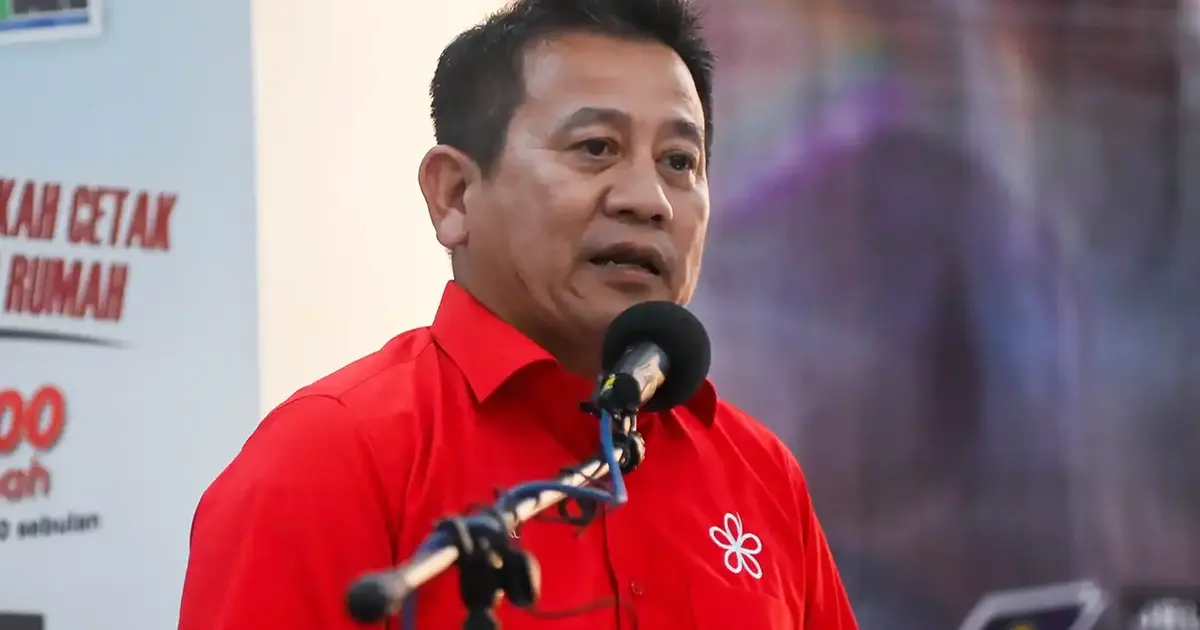
Tensions within the Perikatan Nasional coalition have escalated after Tun Faisal Ismail Aziz, the information chief of Bersatu, publicly challenged PAS's leadership approach, claiming the Islamist party is deliberately strengthening its grip on the opposition bloc through recent internal reorganisation. The accusation reflects growing friction among members of the three-party alliance that has served as the primary opposition force to the federal government since the 2022 general election.
Tun Faisal's statement underscores a fundamental concern that has periodically surfaced within Perikatan Nasional regarding the balance of power among its constituent parties. Bersatu, led by Muhyiddin Yassin, has historically positioned itself as a unifying force within the coalition, yet tensions emerge whenever one partner appears to consolidate disproportionate influence over collective decision-making processes. The reshuffle that prompted these remarks evidently triggered anxieties about whether PAS is reshaping the coalition's institutional architecture in ways that disadvantage other members.
The specific nature of PAS's alleged consolidation remains significant for understanding coalition dynamics. By restructuring positions and responsibilities within the partnership, questions arise about whether the party is methodically positioning sympathetic figures in influential roles where they can shape coalition policy and strategy. This concern is hardly novel in Malaysian politics, where control over party apparatus frequently translates into real-world power over messaging, resource allocation, and policy direction across multiple government or opposition structures.
PAS, as the largest component of Perikatan Nasional by parliamentary representation, naturally wields considerable influence within the coalition's operations. However, Tun Faisal's characterisation of this influence as exhibiting authoritarian tendencies suggests frustration with what Bersatu perceives as PAS imposing decisions rather than negotiating consensus. In multiparty coalitions, such friction often emerges from disagreements about whether decisions reflect genuine agreement or reflect one member's ability to override others' preferences.
For Malaysian observers and political analysts, this public criticism reveals the coalition's structural vulnerability. Unlike the Barisan Nasional, which has evolved over decades with established protocols and hierarchies, Perikatan Nasional remains relatively nascent as a formal alliance. Its three-party composition lacks deeply institutionalised mechanisms for resolving disputes over power-sharing and decision-making authority. Without such mechanisms, public accusations like Tun Faisal's can rapidly escalate into more serious rifts.
Bersatu's position within the coalition warrants particular examination, given its trajectory since 2020. The party has consistently sought to position itself as neither explicitly Islamist nor secular, theoretically appealing to a broader spectrum of voters than either PAS or the Gabungan Parti Sarawak. Yet this middle-ground positioning has occasionally left Bersatu vulnerable to being outmanoeuvred by parties with more clearly defined ideological bases and more extensive grassroots organisations. PAS, with its decades-long infrastructure and committed supporter base, naturally possesses stronger institutional resources.
Regional implications of Perikatan Nasional's internal tensions extend beyond factional concerns. The coalition's stability matters for Southeast Asian political observers monitoring Malaysia's democratic trajectory. A coherent opposition provides important systemic checks on government authority, while coalitions plagued by internal distrust often lose effectiveness in performing this crucial role. Malaysian voters watching these developments may assess whether Perikatan Nasional can present itself as a credible governmental alternative if internal dynamics suggest it would struggle to function cohesively in power.
Tun Faisal's public articulation of these grievances rather than raising them in internal forums indicates either that quiet resolution proved impossible or that Bersatu calculated that public pressure might constrain PAS's actions more effectively than private negotiations. This decision itself reflects the breakdown of sufficient trust within the coalition to address disputes through established channels. When senior party figures bypass internal resolution mechanisms, it signals that relationships have deteriorated materially.
Looking ahead, the specific remedies available to Bersatu appear limited. The party cannot easily exit Perikatan Nasional without substantially weakening its own political position and fragmenting the opposition further. Yet remaining within the alliance while publicly alleging authoritarian behaviour creates awkward dynamics that may prove unsustainable. Coalition partners must ultimately maintain sufficient trust to function effectively, and public accusations of authoritarianism directly attack that foundation.
The reshuffle that prompted Tun Faisal's criticism therefore represents more than routine internal reorganisation. It crystallises substantive disagreements about how Perikatan Nasional should operate as a governing structure and what role each party plays in shaping the coalition's direction. Until Bersatu and PAS establish clearer understandings about decision-making processes and power-sharing arrangements, similar disputes will likely recur, potentially weakening the coalition's capacity to present unified opposition messaging to Malaysian voters increasingly concerned about the nation's political and economic trajectory.