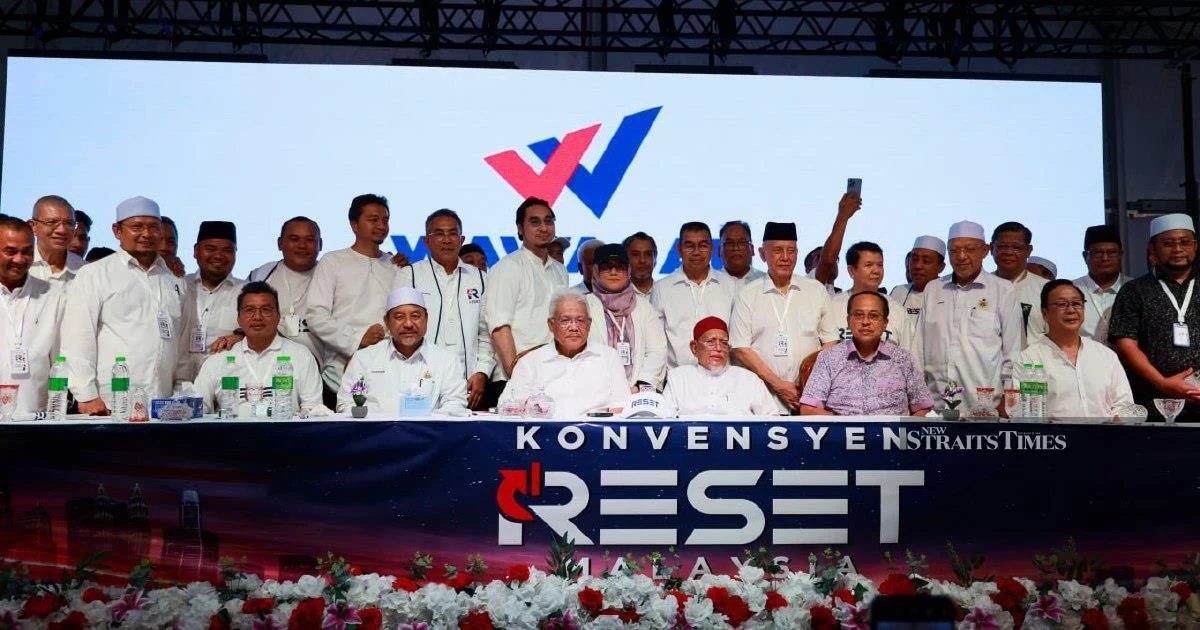
The political coalition Perikatan Nasional descended into internal conflict on Tuesday when its largest member party, Bersatu, cast doubt on the legitimacy of an emergency Supreme Council gathering convened the previous evening. The sudden questioning of the meeting's validity signals potential fractures within the opposition alliance at a time when political stability remains fragile across Malaysia's complex parliamentary landscape.
According to Bersatu's assertion, the meeting was hastily orchestrated without adherence to established protocols that normally govern such significant decisions. The party alleged that PN chairman Muhyiddin Yassin circumvented standard procedures to fast-track the admission of Wawasan, a political entity, into the broader coalition structure. This procedural complaint touches on a sensitive issue within opposition politics—whether major decisions affecting coalition membership should require broader consultation rather than concentrated executive authority.
The timing of this internal rebuke is particularly significant given the current political environment in Malaysia. Coalition coherence has proven essential for opposition parties seeking to present a united front against the government majority. When the largest component party begins questioning procedural legitimacy, it raises questions about the stability of leadership within these opposition structures and whether decision-making processes command consensus among member parties.
Bersatu's challenge reflects broader tensions that often emerge within multi-party coalitions, especially during moments of rapid expansion or significant structural changes. The admission of new members into a political alliance involves complex negotiations and considerations—financial implications, ideological alignment, representation in decision-making bodies, and resource allocation all require careful deliberation. Rushing such processes can breed resentment among existing members who feel sidelined from consequential decisions.
The question of Wawasan's admission itself warrants examination. Understanding who comprises Wawasan, what constituencies it represents, and what advantages its membership brings to the coalition would illuminate why Bersatu might resist its inclusion or object to the manner of its incorporation. Political entities seeking coalition membership typically bring with them elected representatives, grassroots support networks, or access to specific demographic groups—each element requiring evaluation before integration.
Muhyiddin Yassin's leadership style appears to have become a point of contention within PN. As chairman, he possesses executive authority to convene emergency meetings and make urgent decisions, yet that authority exists within a constitutional framework that presumably contemplates consultation with coalition partners. The tension between executive efficiency and collaborative decision-making has plagued multi-party coalitions throughout Malaysia's political history, suggesting this present dispute follows familiar patterns.
For observers of Malaysian politics, this internal PN friction carries implications beyond the coalition itself. Since opposition politics significantly influences parliamentary dynamics and government accountability, weakening the opposition through internal divisions can inadvertently strengthen executive authority. Conversely, if PN can resolve these tensions while maintaining coalition discipline, it demonstrates institutional maturity that benefits democratic competition.
Bersatu's decision to publicly challenge the meeting's legality rather than accept it quietly indicates the party views the principle at stake as important enough to risk internal conflict. This suggests the issue transcends mere procedural technicality and touches on power distribution within the coalition and respect for established governance structures among member parties. Whether other coalition members publicly align with Bersatu or remain silent will reveal the extent of dissatisfaction with the chairman's approach.
The legal dimension of this dispute deserves scrutiny. Political coalitions operate under written or unwritten rules governing their internal operations. If PN's constitution explicitly requires notification periods, quorum levels, or approval thresholds for emergency meetings, then Bersatu's legal challenge possesses substantive grounds. If the rules are ambiguous, this episode will likely prompt calls for clarifying coalition governance frameworks—a potentially productive outcome despite the present acrimony.
Looking forward, PN faces a choice between consolidating its position or fragmenting further. Resolving the Bersatu controversy through transparent dialogue about decision-making procedures could strengthen coalition governance. Alternatively, if tensions escalate without resolution, member parties might reconsider their commitment to the broader coalition structure, fundamentally altering Malaysia's opposition landscape. The fate of the Wawasan admission decision itself remains uncertain pending resolution of these procedural objections, adding another layer of complexity to an already intricate situation.

