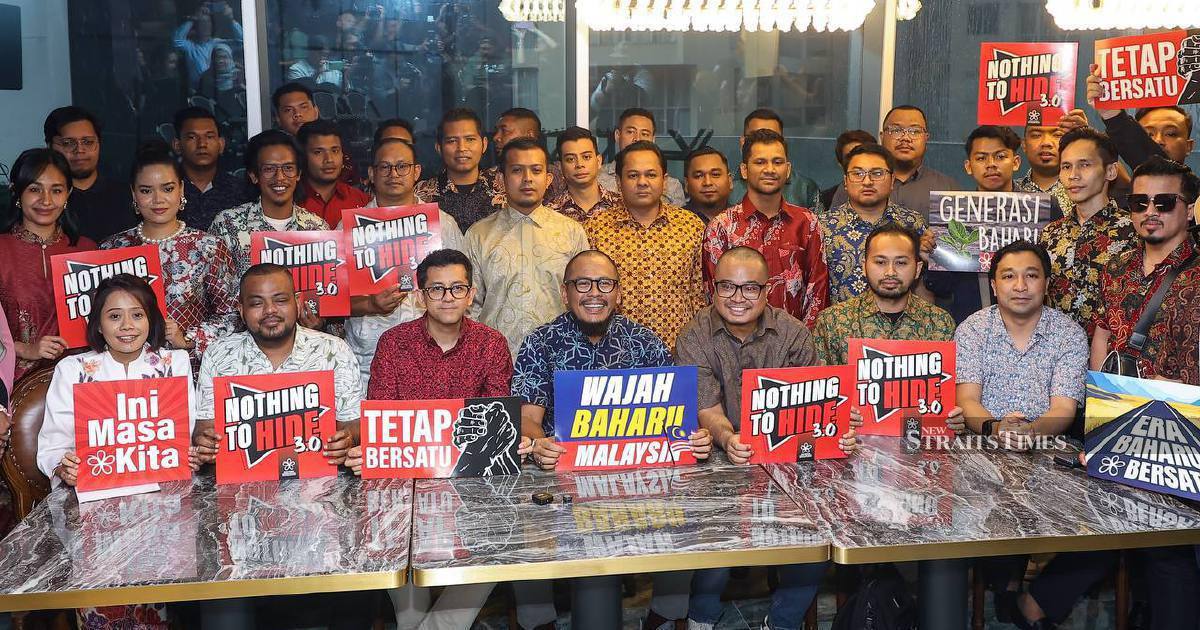
Kota Siputeh assemblyman Mohd Ashraf Mustaqim Abdul Munir has signalled growing optimism that Perikatan Nasional (PN) allies Pas and Bersatu can restore their working relationship following a period of visible strain between the two Islamic-leaning parties. The characterisation of their disputes as temporary friction rather than structural breakdown carries significance for the stability of Malaysia's principal opposition coalition, which has positioned itself as an alternative to Pakatan Harapan's federal administration.
The Bersatu representative's assessment comes at a time when PN has sought to consolidate its position as a unified political force ahead of any potential electoral contests. His comparison of the tensions to marital disagreements conducted within the confines of a shared household suggests that underneath the public bickering, both parties remain committed to their broader partnership architecture. This framing is instructive for understanding how Malaysian political coalitions manage internal contradictions while maintaining their public face of unity.
Relations between Pas and Bersatu have historically carried complications stemming from ideological differences, organisational rivalries, and competing claims to represent Malaysia's Malay-Muslim constituencies. Pas, with roots in the Islamic movement dating back decades, brings a strong grassroots network particularly in northeastern states. Bersatu, by contrast, emerged more recently as a splinter formation and has pursued a more explicitly Malay-nationalist positioning. These structural differences create natural friction points that periodically surface in public disagreements over policy direction or resource allocation within PN structures.
The recent tensions that prompted this reassurance reflect broader structural challenges facing opposition coalitions in Malaysian politics. Maintaining harmony between parties with distinct organisational cultures, leadership hierarchies, and constituency bases demands constant negotiation and compromise. Each party must balance loyalty to the coalition with its own organisational imperatives and the need to maintain distinct identity and messaging to supporters. When these balancing acts become publicly visible, as has occurred recently, they generate concerns among observers about the durability of the partnership.
Mohd Ashraf's characterisation deserves scrutiny precisely because marriage analogies in political discourse often paper over genuine incompatibilities. A married couple living under one roof faces legal obligations and shared economic interests that sustain the relationship even during tensions. Political coalitions, by contrast, exist purely through voluntary association and shared strategic interest. When those interests diverge significantly or when leadership changes alter the calculus, coalitions can fracture more readily than marital bonds. The optimism expressed here must therefore be understood within this context of looser binding forces.
From a Malaysian political economy perspective, the PN coalition's internal health matters considerably because it affects the distribution of opposition space. A weakened or fractured PN benefits the ruling Pakatan Harapan coalition by reducing the coherence of alternative power arrangements. Conversely, a strengthened and unified PN poses genuine challenges to Harapan's hold on federal power. The incentives therefore exist for both Pas and Bersatu leadership to invest in reconciliation processes, even when underlying disagreements persist.
For Southeast Asian observers, the Malaysian situation illustrates broader patterns in opposition coalition management across the region. Thailand, Indonesia, and the Philippines have each witnessed similar cycles of opposition unity, internal tension, and reconciliation attempts. The capacity of opposition forces to maintain institutional discipline while internally diverse represents a key variable in determining whether they can mount credible challenges to incumbent administrations. In Malaysia's context, the durability of PN will partly determine the trajectory of Malaysian electoral politics in coming years.
The role of symbolic leadership in managing coalition tensions also emerges from this statement. By publicly affirming optimism about relationship repair and using accessible metaphors to frame disputes as temporary rather than existential, senior figures like Mohd Ashraf perform important constituency management functions. They signal to PN supporters that partnership instability should not prompt defection to other political formations. Simultaneously, they provide breathing room for behind-the-scenes negotiations among party leaders to occur without excessive media scrutiny or pressure.
Looking forward, the effectiveness of these repair efforts will depend on whether Pas and Bersatu leadership can reach concrete understandings on key points of contention. These likely include resource distribution within PN structures, territorial arrangements in electoral contests, and positioning on policy matters particularly those relating to Islamic affairs and Malay-Muslim representation. These are not minor technicalities but rather substantive issues touching on party identity and organisational viability. Whether the married couple analogy proves apt in its suggestion of durable coexistence or merely masks deeper incompatibility will become apparent as PN navigates coming political challenges.
The Kota Siputeh assemblyman's remarks also reflect confidence in party leadership to manage these tensions constructively. Trust between Pas and Bersatu top leadership appears sufficient that public expressions of optimism carry weight rather than appearing as hollow rhetoric. This interpersonal dimension of coalition politics remains underexamined in analysis but often proves decisive in determining whether parties can move beyond temporary disputes to achieve functional cooperation.
Ultimately, the test of PN solidarity will come through concrete political action rather than reassuring public statements. Electoral negotiations, resource allocation in state governments where both parties hold seats, and unified positioning on major parliamentary votes all represent opportunities where coalition strength can be demonstrated or weaknesses exposed. For now, the Bersatu perspective signals that internal mechanisms for managing disputes appear functional, though observers should remain alert to whether this optimism reflects genuine resolution or merely postponement of deeper tensions.

